How Much Sunlight Do Pascuita Need?
1
Pascuita flourishes with a minimum of six hours of direct sun exposure each day.
2
A lack of adequate light may result in stretched stems and limited flower production.
3
To enhance indoor light for Pascuita, consider employing reflective materials.
Optimal Illumination Requirements for Pascuita
Full Sun vs. Partial Shade
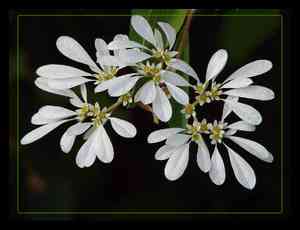
Pascuita exhibits adaptability but thrives best in conditions ranging from full sun to partial shade. When exposed to full sun, this plant flourishes, displaying superior growth and a profusion of white blossoms. Partial shade can still support the plant's existence, but flower production may diminish and overall growth might be less vigorous. To find the ideal spot, observe the sunniest areas in your garden or dwelling and position your Pascuita where it can receive the most direct sunlight.
Daily Sunlight Exposure Needed
For peak development, Pascuita requires a minimum of 6 hours of sunlight each day. While it can survive with slightly less, the most robust growth and most appealing blooms occur with ample light. Tracking sun exposure in different garden or home locations can help ensure your Pascuita receives adequate illumination. For indoor cultivation, place it near a south-facing window, which typically provides the most consistent light throughout the day.
Seasonal Light Adjustments
As seasons shift, so does the available light. During summer months, protect your Pascuita from excessive heat that can sometimes accompany intense sunlight. Employ garden screening or temporary shading if necessary. In winter, the sun's lower angle and reduced daylight hours may necessitate relocating the plant to capture more sunlight. Regularly rotating the container ensures uniform light distribution.
Positioning Pascuita for Optimal Illumination
Prime Locations in Your Garden or Home
The perfect garden site for Pascuita is an area that receives unimpeded sunlight for the majority of the day. South-facing spots are generally most effective in the northern hemisphere. Indoors, position the plant near windows that offer abundant light and avoid high-traffic zones to prevent accidental impacts.
Indoor vs. Outdoor Placement Considerations
Outdoor placement in a sunny garden bed or a spacious pot on a bright patio can greatly benefit Pascuita. If climate restrictions require indoor cultivation, ensure it's positioned near a window with considerable light. West or south-facing windows usually offer the best conditions. Remember, indoor light is typically less intense than outdoor light, making strategic placement vital.
Utilizing Reflective Surfaces for Enhanced Light
If locating a very sunny spot for your Pascuita proves difficult, particularly indoors, consider employing reflective materials. Arrange mirrors or reflective panels around your plant to direct additional light onto its foliage. This straightforward method can significantly boost light levels, enabling your plant to thrive even in less-than-ideal lighting environments.
Indications of Insufficient or Excessive Light for Pascuita
Symptoms of Light Deprivation
When Pascuita lacks sufficient sunlight, you might observe elongated, leggy growth with stems stretching towards the light source. Leaves may lose their vibrant green hue, and flowering could be less prolific. Periodically inspect your plant and adjust its placement if these signs appear.
Signs of Overexposure to Sunlight
Although Pascuita thrives in the sun, too much direct, intense light can lead to leaf scorching or burning, visible as brown edges or spots on the foliage. If these symptoms emerge, especially during peak summer, provide some shade during the hottest hours to safeguard your plant.
Remedial Measures
If your Pascuita is receiving inadequate light, consider moving it to a sunnier section of your garden or closer to an indoor light source. If it's getting too much light, use shade cloths or relocate it to a partially shaded area to prevent burning. Consistent monitoring and adjustments will help maintain your plant's health and vitality.
Ensuring Consistent Illumination for Pascuita
Daily Observation Techniques
To guarantee your Pascuita receives steady sunlight, it's crucial to regularly observe its light conditions. Shifting your plant slightly each week can significantly improve its exposure to natural light. Employing a light meter can also assist in verifying the plant gets the required amount of light.
Employing Supplemental Grow Lights
Especially beneficial for indoor cultivators, grow lights can supplement natural sunlight, providing the necessary light intensity for Pascuita. Select full-spectrum LED grow lights and position them close enough to deliver adequate illumination without causing burns. Program them with a timer to emulate natural daylight hours, ensuring the plant receives at least 6 hours of light.



