
Pascuita (Euphorbia leucocephala)
Also known as: Little Christmas flower, Snow flake, White Christmas bush
The plant you're asking about is Pascuita (Euphorbia leucocephala), a tropical shrub that can reach heights of 2.5 to 3 meters. Similar to the poinsettia, its eye-catching display comes from leaf-like bracts surrounding the true flowers. Blooming in late fall, it provides a snowy appearance during winter. The plant releases a milky sap when cut, which can irritate the skin, so it's advisable to wear gloves while pruning.
Attributes of Pascuita
Images of Pascuita
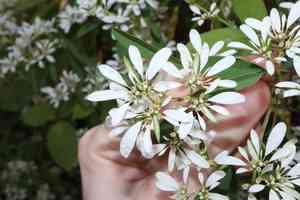
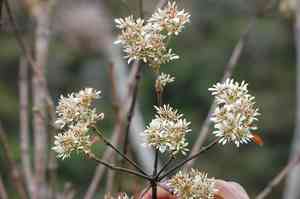
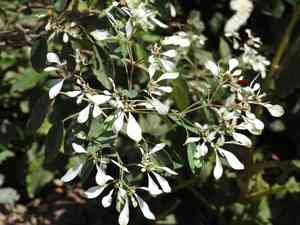
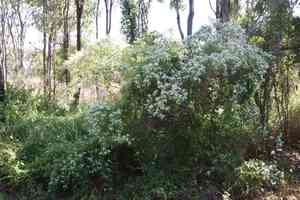
Quickly Identify Pascuita
Scientific Classification of Pascuita
Planting and Growing of Pascuita
 How to Water Pascuita?
 What Are the Sunlight Requirements for Pascuita?
 What Is the Ideal Temperature Range for Pascuita?
 What Soil is Best for Pascuita?
 How to Fertilize Pascuita?
 How to Prune Pascuita?
 How to Propagate Pascuita plant?
 How to Repot Pascuita plant?
Toxicity of Pascuita
Is Pascuita toxic to humans?
Pascuita presents a moderate risk of toxicity to humans, largely attributed to the diterpene esters found in its sap. Contact with the sap may result in allergic reactions upon skin contact, whereas ingestion can trigger more severe symptoms. The toxic components of pascuita are generally not ingested; however, accidental consumption can happen. Symptoms of poisoning may encompass skin and mucous membrane irritation, with the possibility of more critical reactions such as respiratory difficulties, gastrointestinal issues, and systemic effects. Therefore, it is crucial to handle pascuita cautiously to prevent any accidental exposure to its harmful sap.
Is Pascuita toxic to cat?
Pascuita presents a moderate risk of toxicity to cats. Felines could be poisoned via contact with the sap of the plant or by accidentally ingesting its parts. Such exposure may lead to physical distress or symptoms of illness, which, if they arise, necessitate immediate veterinary intervention. The toxic compound Diterpene esters found in Pascuita's sap is the culprit behind the harmful reactions in cats. It is vital to seek medical assistance at a veterinary clinic promptly for the health of a cat that has been exposed to the plant's toxic components.
Is Pascuita toxic to dog?
Pascuita carries a moderate risk of toxicity for dogs. Canines can suffer poisoning from pascuita through direct skin contact with its sap or through accidental ingestion. Contact with the toxic components, especially the plant sap, may result in various symptoms in dogs. These negative effects could manifest as vomiting, diarrhea, loss of appetite, depression, and in more severe instances, more critical systemic problems. The toxic reactions are attributed to the presence of Diterpene esters. If a dog makes contact with or consumes pascuita, it is crucial to seek prompt veterinary assistance to safeguard their health and obtain the necessary treatment.



