How Much Sunlight Do Centipede tongavine Need?
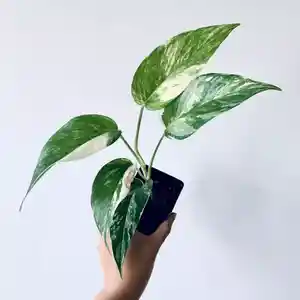
1
Centipede tongavine flourishes in brilliant, diffused illumination, yet it tolerates dim light environments.
2
Unfiltered sun exposure can burn Centipede tongavine; therefore, shield it from strong afternoon rays.
3
Employing supplemental lighting aids in sustaining robust development throughout the colder, darker season.
Optimal Illumination for Centipede tongavine
Preferred Indoor Brightness
When cultivating Centipede tongavine indoors, position it where it can receive ample, diffused light. A location near an east or north-facing window is perfect, offering sufficient brightness without harsh direct sun. If using a south or west-facing window, use a sheer curtain to shield the plant from intense rays.
Ideal Outdoor Locations
Outdoors, Centipede tongavine thrives in partial shade. A spot that gets 3-6 hours of morning sun but is protected from strong afternoon light is best. An excellent place could be beneath a tall tree with filtered light or on a covered patio. This setup provides the right light balance for photosynthesis while protecting the plant from harm.
Can Centipede tongavine Survive in Dim Light?
Coping with Low Light
Yes, Centipede tongavine can tolerate low light, making it a flexible option for various indoor settings. However, it's important to note that dim light can hinder the plant's growth rate. To compensate, rotate the plant periodically to ensure all parts receive some light exposure. This practice helps maintain a more balanced growth habit.
Indicators of Insufficient Light
If your Centipede tongavine isn't getting enough light, it will display specific symptoms. Look for yellowing foliage, elongated stems, and a general reduction in the plant's development. Yellow leaves suggest the plant is struggling with photosynthesis, while leggy growth means it's reaching for more light. These are cues to move the plant to a brighter spot.
Is Direct Sun Detrimental to Centipede tongavine?
Hazards of Direct Sun Exposure
Direct sunlight can indeed harm Centipede tongavine. Extended exposure to the sun, particularly during midday, can scorch its leaves, resulting in brown, brittle edges. This plant naturally flourishes under tree canopies in its native habitat, indicating it prefers filtered light over direct exposure.
Preventing Sun Damage
To avoid sunburn, refrain from placing your Centipede tongavine in direct sunlight for prolonged periods. If you notice the plant receiving too much direct light, move it to a shadier area or use a curtain to soften the sunlight. Regular plant checks can help detect early signs of sunburn, allowing for quick adjustments.
Optimizing Lighting for Peak Growth
Utilizing Supplemental Lighting
Artificial lighting can be crucial for maintaining healthy Centipede tongavine during seasons with reduced natural light. LED grow lights are an excellent choice, offering a full light spectrum similar to natural sunlight. Positioning the lights approximately 30-45 cm (12-18 inches) above the plant ensures adequate light without causing heat damage.
Seasonal Light Adjustments
During winter, natural light levels decrease, necessitating some modifications. Ensuring your Centipede tongavine gets sufficient light during these months might involve moving it closer to windows or adding artificial lights. Conversely, in summer, you might need to pull it back from windows to prevent excessive direct sunlight. Adapting to seasonal changes promotes consistent growth and vitality.
Recognizing Lighting Problems
Foliage Discoloration
Yellowing leaves often signal that your Centipede tongavine is either receiving inadequate light or experiencing inconsistent lighting. Ensure the plant gets steady, indirect light, and consider rotating it regularly to expose all sides evenly.
Stretched Growth
Leggy growth, characterized by tall stems with sparse leaves, indicates the plant is stretching for light. This usually occurs in low light conditions. Moving the plant to a brighter location can encourage more compact and robust growth.
Reduced Growth Rate
If your Centipede tongavine is growing slower than usual, it might be due to insufficient light. Ensuring the plant receives enough light, especially during its active growing seasons (spring and summer), can help restore normal growth. Supplementing with artificial lights can also alleviate this issue.



