How Much Sunlight Do Carolina elephantsfoot Need?
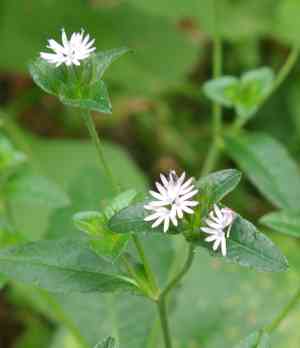
1
Carolina elephantsfoot flourishes with approximately 3-6 hours of direct sun each day.
2
Too little light can result in elongated stems and fewer blooms for Carolina elephantsfoot.
3
Positioning your Carolina elephantsfoot in a bright outdoor location can greatly improve its health.
Grasping Light Requirements for Carolina elephantsfoot
What Kind of Light Does Carolina elephantsfoot Require?
The Carolina elephantsfoot prefers moderate sun exposure, ensuring ample light without burning. This means it thrives with approximately 3-6 hours of direct sun daily, ideally in the morning or late afternoon. Early morning light is especially good as it's less harsh, reducing the chance of leaf damageâcrucial for young plants.
How Much Light is Ideal for Carolina elephantsfoot?
For peak healthy development, Carolina elephantsfoot needs a balanced amount of sunlight. Aim for 3-6 hours of direct sun each day, complemented by some filtered light throughout the rest of the day. While it can endure more sun, excessive exposure can lead to scorched or faded leaves.
Why is Light Essential for Carolina elephantsfoot?
Sunlight is vital for photosynthesis, the process by which Carolina elephantsfoot creates its food. It also promotes blooming and overall development. Without sufficient light, plants can become elongated, produce fewer flowers, and experience stunted growth. Providing the correct light level helps maintain vibrant foliage and ensures the plant stays strong.
Optimal Strategies for Providing Light to Carolina elephantsfoot
Identifying the Best Spot for Carolina elephantsfoot
Select a location that receives morning sun and some afternoon shade. East-facing windows, patios, or garden areas are perfect. If planting outdoors, ensure the spot isn't shaded by structures or larger trees. In regions with intense summer sun, offering midday shade can protect the plant from excessive heat and light.
Adjusting Light Exposure Throughout the Year
As seasons change, so do the angle and strength of sunlight. During spring and summer, observe the plant to ensure it's not exposed to intense midday sun. In autumn and winter, when sunlight is weaker, you can move the Carolina elephantsfoot to a brighter spot to compensate for lower light levels. Regular adjustments will help the plant receive consistent light year-round.
Common Light-Related Issues and Solutions
Indicators of Excessive Light for Carolina elephantsfoot
Too much sunlight can cause leaves to brown or burn, with scorching typically appearing as brown edges or spots. The plant might also wilt despite adequate watering. If these signs appear, gradually move the plant to an area with partial shade, especially during peak sun hours.
Indicators of Insufficient Light for Carolina elephantsfoot
Inadequate sunlight can cause the Carolina elephantsfoot to exhibit leggy growthâlong, thin stems with fewer leaves. Additionally, the plant might have pale or yellowing leaves and reduced flowering. If these symptoms occur, consider relocating the plant to a brighter spot and pruning leggy stems to encourage bushier growth.
How to Correct Light Imbalances
To remedy too much sunlight, provide filtered shade using sheer curtains or place the plant beneath a larger tree. For insufficient light, move the plant closer to a light source or supplement with grow lights if indoors. Balance is crucial; make adjustments gradually to avoid stressing the plant.
FAQs on Light and Carolina elephantsfoot
Can Carolina elephantsfoot Thrive in Shade?
While Carolina elephantsfoot can endure some shade, it flourishes best with partial sunlight. Constant shade may impede its growth and flowering potential, making it appear less vibrant and reducing overall health.
Do Indoor Carolina elephantsfoot Plants Require Additional Lighting?
Yes, if your indoor Carolina elephantsfoot isn't getting enough natural light, supplemental lighting can be very beneficial. Use full-spectrum grow lights positioned about a foot (30 cm) above the plant to mimic natural sunlight. Aim to provide around 6-8 hours of artificial light daily to ensure healthy growth.



