How Much Sunlight Do Weather prophet Need?
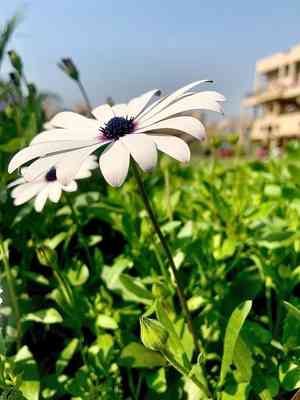
1
Weather prophet flourishes optimally with direct sun exposure exceeding 6 hours daily.
2
Partial sun exposure is also appropriate for Weather prophet, particularly in warm regions.
3
Indoor Weather prophets thrive when placed near windows facing north or east.
What Light Conditions Does Weather Prophet Need?
Ample Sun Exposure
For robust development and abundant blossoms, position your Weather prophet where it receives direct sunlight for at least six hours daily. Full sun promotes strong stems and vibrant flowers. Ideal outdoor locations include south-facing gardens or patios free from tree or building shade.
Partial Sun
In areas with extremely hot summers, consider providing your Weather prophet a break from intense midday sun by placing it in a spot with partial sunlight. Morning sun followed by afternoon shade can prevent scorching while still ensuring adequate light for growth.
Indirect Illumination
If cultivating Weather prophet indoors, situate it in a brightly lit room with diffused light. North or east-facing windows are perfect, offering bright, indirect sunlight that prevents rapid drying or sunburn. If only indirect light is available, supplement with grow lights for necessary luminosity.
How to Position Weather Prophet for Optimal Light
Outdoor Siting Advice
When planting Weather prophet outdoors, select a location that provides access to a minimum of six hours of daily sunlight. South-facing gardens or balconies offer the best exposure. If your garden is windy, use structures or nearby plants to shelter your Weather prophet.
Indoor Siting Advice
For indoor growth, place your Weather prophet near a north or east-facing window to benefit from softer, indirect light. Rotate the plant every few days for even light distribution, preventing uneven growth. Sheer curtains can diffuse harsh sunlight, creating a comfortable environment.
Seasonal Adjustments
As seasons change, so do sunlight intensity and duration. In winter, move indoor Weather prophet plants closer to windows for maximum light. For outdoor plants, consider reflective surfaces or repositioning during shorter days to maintain light intake.
Indicators of Too Much or Too Little Sun for Weather Prophet
Leaf Color Changes
Excessive sunlight can cause leaf scorching, where leaves turn brown or appear burned. Conversely, insufficient sunlight typically results in pale or yellowing leaves, indicating inefficient photosynthesis.
Growth Impairment
Too little sunlight can hinder your Weather prophet's growth, making it appear stunted or leggy. Without adequate light, the plant's energy production decreases, slowing overall growth and vigor.
Flowering Problems
If your Weather prophet isn't blooming as expected, sunlight may be the issue. Both overexposure and underexposure can disrupt the flowering cycle, leading to fewer or smaller blooms.
Modifying Sunlight Exposure for Weather Prophet
Utilizing Shade Cloth
When full sunlight is too intense, using a shade cloth is highly effective. A shade cloth with 30-50% coverage can diffuse strong rays, providing a balanced environment that prevents leaf burn while ensuring ample light.
Relocating the Plant
If you observe stress signs related to sunlight, consider moving your Weather prophet. Outdoor plants might need to be shifted to a shadier spot during peak summer. Indoors, moving the plant closer to or further from windows can significantly impact its health.
Employing Artificial Lights
In areas with prolonged cloudy periods or for indoor cultivation, artificial grow lights can mimic natural sunlight. Choose full-spectrum LED grow lights, positioning them about 30 cm (12 inches) above the plant for effective light distribution.



