How Much Sunlight Do Bride's saddle Need?
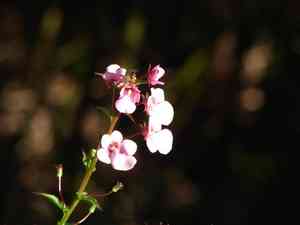
1
Bride's saddle flourishes with 6-8 hours of direct sun each day.
2
Softer morning sun is perfect for Bride's saddle.
3
Periodically observe foliage hue to determine if your plant receives adequate illumination.
Optimal Light Exposure for Bride's saddle
Full Sun vs. Partial Sun
Regarding Bride's saddle, the discussion between full sun and partial sun is vital. This lovely perennial thrives in full sun, meaning it should get at least 6-8 hours of direct sunlight daily. Full sun promotes vigorous growth and abundant blooms. However, some gardeners achieve success with partial sun, where the plant receives less than 6 hours of sunlight, often in the morning or late afternoon. While Bride's saddle can adapt, full sun is generally best for a healthier, more vibrant specimen.
Morning Sunlight Advantages
A key element for a thriving Bride's saddle is morning sunlight. The gentle morning rays supply essential energy without the harshness of afternoon heat. Morning sunlight helps initiate the plant's photosynthesis process, ensuring it has sufficient energy for the day. Positioning your plant to capture the early sun is beneficial, especially in very hot climates, as it avoids the intense midday sun.
Avoiding Intense Afternoon Light
Although Bride's saddle loves sunshine, strong afternoon light can be harmful. The intense heat can stress the plant, causing its flowers to wilt and its leaves to scorch. To prevent this, consider planting it in a location that receives filtered sunlight in the afternoon or using shade cloths during peak hours. This way, you can balance the plantâs need for light while protecting it from potential damage.
Indicators Bride's saddle Needs More or Less Light
Leaf Color Changes
The foliage of Bride's saddle can reveal much about its light requirements. If the leaves begin to yellow or develop brown edges, it might be receiving too much sun. Conversely, pale, dull leaves suggest the plant isnât getting enough light. Observing these changes can help you adjust its placement to ensure it receives the ideal amount of sunlight.
Growth Patterns
Observing your Bride's saddle's growth habits can also offer insight into its light needs. A plant that grows tall, spindly, and sparse likely requires more sunlight, as itâs reaching towards light sources. Conversely, if the plant is compact and lush but shows signs of burning or stress, it might be getting too much sun. Achieving a balance is crucial for maintaining a healthy growth pattern.
Flowering Frequency
Flower production is a clear sign of whether your Bride's saddle is receiving the correct amount of sunlight. Consistent, plentiful blooms indicate the plant is content with its light exposure. If your plant isn't flowering as much as it should, consider increasing its exposure to sunlight. However, if blooms are abundant but the plant appears stressed, re-evaluating its position to manage light intensity might be necessary.
Best Practices for Placing Bride's saddle
Selecting the Right Garden Location
Finding the ideal spot in your garden is crucial for Bride's saddle. Look for areas that receive consistent sunlight throughout the day, ideally with some natural shade during the hottest periods. Edges of garden beds, sunny windowsills, or balconies that catch the morning sun are excellent choices. Evaluate your garden's sun patterns before deciding on placement to ensure your plant thrives.
Utilizing Shade Structures
In regions with intense summer heat, employing shade structures can safeguard Bride's saddle from harm. Shade cloths, pergolas, or strategically placed garden umbrellas can filter out the harsh afternoon sun while still allowing sufficient light to reach the plant. These structures are especially helpful during peak summer months when the sun's intensity is highest.
Seasonal Light Adjustments
As seasons shift, so do sunlight patterns. During winter, the sun is lower in the sky, and shadows are longer, meaning Bride's saddle may receive less light. Consider relocating the plant to maximize exposure during these times. In summer, provide extra protection from the intense midday sun. Being adaptable and attentive to these changes will help maintain your plant's health year-round.
Tips for Indoor Cultivation of Bride's saddle
Optimal Window Placement
If youâre growing Bride's saddle indoors, positioning it near a south-facing window (for those in the Northern Hemisphere) or a north-facing window (for those in the Southern Hemisphere) can provide ample light. Windows that receive abundant natural light in the morning are ideal. Ensure the plant is as close to the window as possible to benefit from direct sunlight.
Supplementing with Grow Lights
For indoor environments lacking sufficient natural light, supplementing with grow lights can be transformative. LED grow lights are energy-efficient and offer the correct spectrum for photosynthesis, ensuring your Bride's saddle gets the light it requires. Place the grow light approximately 30-45 cm (12-18 inches) above the plant and keep it on for about 6-8 hours daily to mimic natural sunlight.
Monitoring Light Intensity
Indoor plants can sometimes suffer from inconsistent light levels. Using a light meter can help you monitor and ensure your Bride's saddle is receiving the correct intensity. Adjust the distance of grow lights or the plantâs position relative to windows based on the readings. Regularly checking light intensity helps you make necessary adjustments to keep the plant healthy.



