How Much Sunlight Do Rock orchid Need?
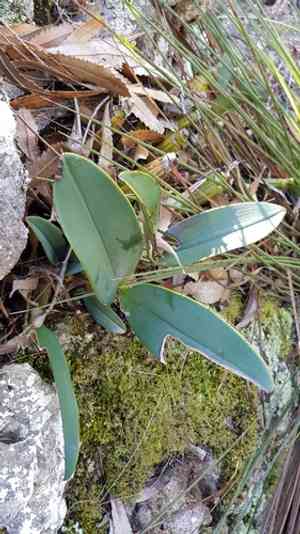
1
Rock orchids flourish optimally with more than 6 hours of daily sun exposure.
2
Excessive direct sun can lead to leaf scorching on the Rock orchid.
3
Should your Rock orchid fail to bloom, inadequate light levels could be the reason.
Optimal Illumination for the Rock Orchid
Ideal Light Intensity
The Rock orchid thrives in bright, indirect illumination. While it can endure direct sun, particularly in the early morning or late afternoon, intense midday sun should be avoided to prevent leaf scorching. Aim for a location receiving over 6 hours of filtered light daily. Envision the dappled light beneath a tree canopy, mimicking its native environment.
Optimal Placement in Your Home or Garden
When situating your Rock orchid indoors, east or west-facing windows are perfect, offering suitable light during cooler parts of the day. For outdoor cultivation, choose a spot shaded during peak sun hours but still enjoying morning or late afternoon light. A location near a wall or a larger plant providing partial shade can work exceptionally well.
Seasonal Light Fluctuations
The Rock orchid requires varying amounts of sunlight depending on the season. In spring and fall, when the sun is less intense, allow more direct light. During summer, the sun can be harsh, making partial shade vital to prevent sunburn. In winter, providing as much bright, indirect light as possible will keep your orchid vibrant and flourishing.
Consequences of Excessive Sun Exposure for the Rock Orchid
Signs of Overexposure
Excessive sunlight can cause several problems for your Rock orchid. Watch for leaves that appear yellow or have scorched tips. Another indicator is wilting or a dry, papery texture to the foliage, signaling too much direct sun.
Preventing Sunburn
To prevent sunburn in your Rock orchid, ensure it isn't exposed to harsh, direct sunlight for prolonged periods, especially at midday. Utilize garden or indoor elements, such as shade cloths, larger plants, or curtains, to diffuse intense rays while still providing ample light.
Shading Methods
Various techniques exist for providing shade. Indoors, sheer curtains can effectively filter sunlight. Outdoors, consider a garden umbrella, pergola, or even planting taller species around the orchid to cast a shadow. This creates a microenvironment that imitates its natural, partially shaded habitat.
Consequences of Insufficient Sun Exposure for the Rock Orchid
Indicators of Insufficient Light
The Rock orchid will show insufficient light through signs like poor blooming, a leggy appearance, and darker green leaves than usual. If you notice slowed growth or no flowers, it might be time to reassess its light exposure.
Utilizing Artificial Lighting
Artificial lighting can be very beneficial during darker months or in homes with limited natural light. Fluorescent lights or specialized grow lights positioned near the plant can supplement its light needs. Ensure the light is placed about 30-60 cm (1-2 feet) away to mimic natural sunlight.
Relocating for Improved Light Exposure
If feasible, moving your Rock orchid to a brighter location can make a significant difference. Regularly evaluate the plant's lighting conditions, especially as seasons change. Rotating the orchid to ensure even light distribution can also help maintain its health and growth.
Monitoring and Adjusting Light for the Rock Orchid
Regular Observation and Monitoring
Closely observing your Rock orchid is crucial for maintaining optimal light conditions. Regularly inspect the leaves for changes in color, texture, and growth patterns. Note any abnormalities and adjust the plant's position as needed to ensure it receives adequate light without suffering from overexposure.
Seasonal Adjustments
Different seasons bring varying light intensities. In summer, adjust your orchid’s position to prevent leaf burn, providing partial shade during peak sunlight hours. During winter, move it to a brighter spot or use artificial lighting to compensate for reduced daylight. Seasonal adjustments are vital for the year-round health of your Rock orchid.



