How Much Sunlight Do Umbrella Sedge Need?
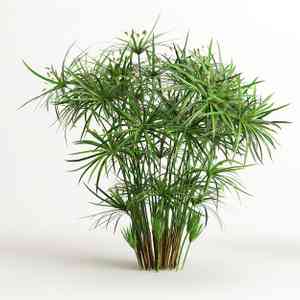
1
Umbrella Sedge performs optimally when exposed to more than 6 hours of direct sunlight each day.
2
Although it favors abundant sun, Umbrella Sedge is resilient enough to handle some dappled shade.
3
If an Umbrella Sedge displays yellow foliage, it could be a sign of excessive light exposure.
What is the Optimal Sunlight for Umbrella Sedge?
Ideal Light Conditions
The Umbrella Sedge thrives with ample sun exposure. Ideally, it should receive over 6 hours of direct solar illumination daily. This light level helps the plant maintain its rich, green appearance and encourages robust development. It performs well both indoors and outdoors, provided light is sufficient. However, if kept indoors, ensure placement near a south-facing window for maximum exposure.
Effects of Inadequate Light
Insufficient light can lead to various problems for Umbrella Sedge. For instance, the plant may become stretched and spindly as it reaches for more light. The vivid green of its leaves might also dull, resulting in pale and feeble-looking foliage. A lack of light can impede growth and heighten the plant's vulnerability to diseases.
Adjusting Light Exposure
If you observe your Umbrella Sedge isn't getting adequate light, there are several methods to modify its light intake. You can relocate the plant to a brighter spot, such as nearer to a window. If moving the plant isn't feasible, consider utilizing artificial light sources like grow lights to supplement natural sunshine. These can supply the necessary light spectrum for the plant to flourish.
How to Recognize Light Stress in Umbrella Sedge?
Signs of Too Much Light
When the Umbrella Sedge receives excessive sunlight, it begins to display specific signs of stress. The most frequent symptom is yellowing leaves, which can indicate the plant is getting more light than it can tolerate. Additionally, brown, crisp edges on the foliage point to light burn. If these indicators appear, it may be time to move the plant to a slightly more shaded area.
Signs of Too Little Light
Conversely, insufficient light results in an entirely different set of issues. The Umbrella Sedge might become elongated, with stretched stems and sparse leaves as it attempts to reach the light source. Leaves could lose their vibrant green hue and turn pale or even yellow. A reduced growth rate is another sign, as the plant won't be able to photosynthesize effectively.
Best Locations for Placing Umbrella Sedge to Ensure Proper Sunlight
Indoor Locations
For growing indoors, position your Umbrella Sedge where it gets abundant sunlight. A south-facing window is the prime choice, as it will receive direct sunlight for most of the day. If a south-facing window is unavailable, east or west-facing windows can also work, though you might need to supplement with artificial lighting to ensure adequate light for the plant.
Outdoor Locations
Outdoors, the Umbrella Sedge should be planted in a location that gets full sun. This is especially crucial in more temperate climates, as the plant will require as much sun as possible to thrive. In warmer regions, a spot offering morning sun and afternoon shade can shield the plant from intense midday heat.
Do Seasonal Changes Affect Umbrella Sedge Sunlight Requirements?
Impact of Winter and Fall
During the autumn and winter months, the natural sunlight available diminishes. The Umbrella Sedge will need increased attention to ensure it receives sufficient light. You might need to move the plant to a brighter position or invest in grow lights to compensate for the reduced natural light. Be aware of drafts from windows, as sudden temperature fluctuations can also stress the plant.
Impact of Spring and Summer
Spring and summer provide plentiful sunlight, which is ideal for the Umbrella Sedge. However, be cautious of the intensity of summer sun, as it can sometimes be too harsh. Ensure the plant isn't exposed to extended periods of direct midday sun, especially when temperatures soar. A bit of afternoon shade can protect the plant from potential light burn.
FAQs on Sunlight and Umbrella Sedge
Can Umbrella Sedge Grow in Low Light?
While the Umbrella Sedge prefers bright illumination, it can endure low light conditions temporarily. However, prolonged exposure to dim light will negatively impact its growth and overall vitality, causing it to become leggy and less vibrant. For optimum health, ensure it gets at least 6 hours of sunlight or use artificial lighting if needed.
How to Provide Artificial Light for Umbrella Sedge?
If natural light is insufficient, artificial grow lights offer an excellent solution. LED grow lights are a popular option due to their energy efficiency and provision of the essential light spectrum for photosynthesis. Position the lights approximately 30-45 cm (12-18 inches) above the plant and leave them on for 12-16 hours per day to replicate natural sunlight conditions.
How Long Should Umbrella Sedge Be Exposed to Sun Each Day?
For robust growth, the Umbrella Sedge should ideally be exposed to sunlight for a minimum of 6 hours daily. However, it can adapt to slightly less light if necessary, though this might affect its growth rate and leaf vibrancy. When relying on artificial lights, aim for a duration of 12-16 hours each day.



