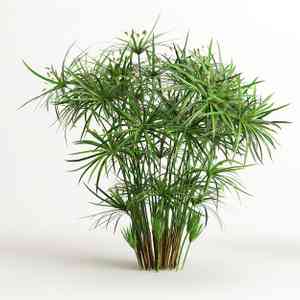
Umbrella Sedge (Cyperus alternifolius)
Also known as: Umbrella papyrus
The Umbrella Palm (Cyperus alternifolius) is a perennial plant that thrives in full sun, bright indoor light, or partial shade. Known for its unique, umbrella-like leaf arrangements on tall, upright stems, it makes an excellent choice for water gardens or ponds due to its preference for growing in water.
Attributes of Umbrella Sedge
Images of Umbrella Sedge
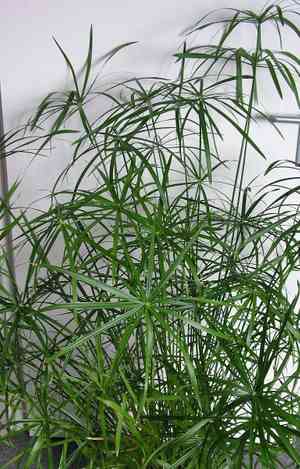
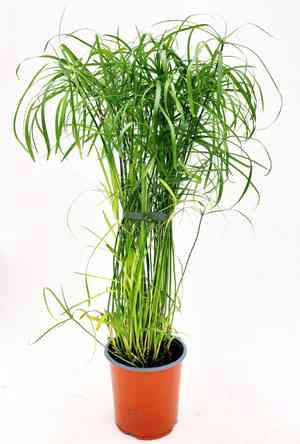
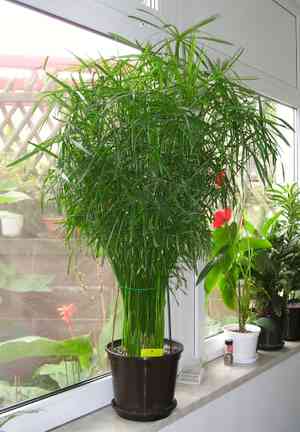
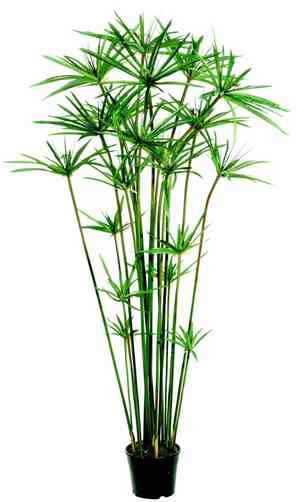
Quickly Identify Umbrella Sedge
Scientific Classification of Umbrella Sedge
Planting and Growing of Umbrella Sedge
 How to Water Umbrella Sedge?
 What Are the Sunlight Requirements for Umbrella Sedge?
 What Is the Ideal Temperature Range for Umbrella Sedge?
 What Soil is Best for Umbrella Sedge?
 How to Fertilize Umbrella Sedge?
 How to Prune Umbrella Sedge?
 How to Propagate Umbrella Sedge plant?
 How to Repot Umbrella Sedge plant?
Toxicity of Umbrella Sedge
Is Umbrella Sedge toxic to cat?
Umbrella Sedge represents a minor toxicity concern for cats. When consumed in substantial quantities, every part of the plant can prove detrimental. Pet owners should remain alert, as cats may show general signs of physical distress or illness, which could escalate into more serious health issues if not promptly addressed. Given that cats are innately curious creatures, they might nibble on Umbrella Sedge out of curiosity, making it essential to closely observe their interactions with the plant. In the unfortunate circumstance that a cat ingests a considerable amount of Umbrella Sedge, an immediate visit to the veterinary clinic is crucial to guarantee timely and appropriate care.
Is Umbrella Sedge toxic to dog?
Umbrella Sedge presents a mild toxicity hazard to dogs. Although the plant is not extremely toxic, consuming it in larger amounts can result in negative health effects for canines. All parts of the plant are considered to possess some degree of toxicity, making any ingestion a potential risk. When dogs ingest umbrella Sedge, they may display symptoms like gastrointestinal distress or other mild reactions. It is important for pet owners to keep a close watch on their dogs and discourage them from chewing on or eating the plant. Should a dog consume umbrella Sedge, it is vital to seek prompt veterinary attention to guarantee adequate treatment and management of any possible poisoning.



