How Much Sunlight Do Chinese cymbidium Need?
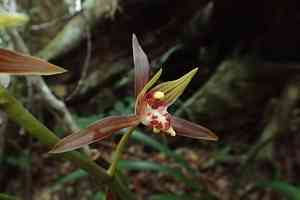
1
Chinese cymbidium performs optimally with 3 to 6 hours of filtered sunlight each day.
2
This orchid variety is capable of enduring complete shade and will continue its development.
3
Modify your Chinese cymbidium's position based on changes in seasonal light intensity to avoid harm.
Optimal Sunlight Conditions for Chinese Cymbidium
Ideal Light Intensity
For Chinese cymbidium, optimal illumination tends towards partial sun, equating to approximately 3-6 hours of diffused sunlight daily. Unlike many sun-loving species, these orchids thrive in filtered or dappled light rather than direct exposure. This makes them perfectly suited for locations receiving morning sun or shaded spots with intermittent light throughout the day. In their natural habitat, these orchids grow beneath tree canopies, where sunlight filters through leaves, creating a similar soft, dispersed effect.
Duration of Sunlight Exposure
The duration of light exposure is critical for the healthy development of your Chinese cymbidium. Aim for around 3-6 hours of gentle sunlight, preferably in the morning. Avoid placing them in intense afternoon sun, which can cause leaf scorch. Consistency is paramount; sudden shifts in their light environment can stress the plant, impacting growth and flowering cycles. For indoor orchids, maintaining a steady light regimen helps mimic their natural conditions.
How to Identify Proper Light Levels for Chinese Cymbidium?
Signs of Too Much Light
Excessive light can be as harmful to a Chinese cymbidium as too little. Look for leaves that appear scorched or bleached. The foliage may turn an unhealthy yellow or even develop brown, crispy edges, indicating sunburn. This typically occurs when the plant is exposed to strong, unfiltered sunlight for extended periods. If these symptoms appear, it's crucial to relocate your plant to a less direct exposure spot and consider using sheer curtains or a shade cloth to reduce light intensity.
Signs of Insufficient Light
Conversely, inadequate light can similarly impede your Chinese cymbidium's well-being. Indicators include unusually long and leggy dark green leaves, as the plant stretches towards light sources. A failure to bloom is another clear sign your orchid isn't receiving enough light. To correct this, gradually move the plant to a brighter location, ensuring the transition is not abrupt. Supplementing with artificial light can also be an effective method to provide sufficient illumination, especially in dim areas.
Adjusting Sunlight for Indoor and Outdoor Chinese Cymbidium
Outdoor Sunlight Management
Cultivating your Chinese cymbidium outdoors necessitates thoughtful placement to prevent direct midday sun exposure. Position them beneath taller plants or trees where they can enjoy dappled sunlight, reminiscent of their native environment. Utilize garden umbrellas or shade cloths during peak sun hours to shield them from excessive exposure. Rotating the pot occasionally ensures even light distribution, preventing one side from receiving too much light, which can lead to uneven growth.
Indoor Light Placement
Indoors, situate your Chinese cymbidium near windows that provide bright, indirect sunlight, such as east or west-facing exposures. Avoid direct sun from south-facing windows unless filtered by curtains. For those with limited natural light options, employing reflective surfaces around the plant can help maximize available light. Regular dusting of leaves ensures they can efficiently capture as much light as possible for photosynthesis.
Using Artificial Light Sources
Artificial illumination can be transformative, particularly during darker months or in homes with limited natural light. LED grow lights are an excellent option due to their energy efficiency and customizable features. Position these lights approximately 30-50 centimeters (12-20 inches) above the plants and maintain them for 12-14 hours daily to replicate optimal light conditions. Remember, balanced light spectra, including both blue and red wavelengths, yield the best outcomes for plant growth and flowering.
Seasonal Sunlight Variations for Chinese Cymbidium
Summer Sunshine Adjustments
During summer, sunlight intensity and duration increase, necessitating adjustments for your Chinese cymbidium to prevent overheating and sun damage. Ensure they are positioned in areas with ample shade during the hottest part of the day. This may require routinely checking and relocating plants as the sun's angle shifts. Increasing humidity around the plants through misting or a pebble tray can also help alleviate heat stress.
Winter Light Requirements
In winter, daylight hours shorten significantly, and sunlight intensity diminishes. This is when your Chinese cymbidium will benefit from increased exposure to available light. Place them closer to bright, unobstructed windows and consider using supplemental grow lights to maintain their light intake. The cooler winter temperatures also mean you should avoid drafty windows or heating vents that can create unstable conditions, potentially stressing the plant.



