How Much Sunlight Do Siam tulip Need?
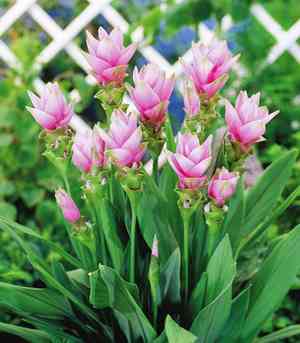
1
Siam tulips flourish optimally when exposed to 3-6 hours of indirect sunlight daily.
2
While able to withstand direct sun, this plant favors dappled light to prevent scorching.
3
Attain suitable placement by observing the light conditions within your living space or outdoor area.
Optimal Sunlight Requirements for Siam Tulip
Partial Shade vs. Direct Sun
The Siam tulip thrives in partial shade, making it a perfect fit for garden areas receiving filtered or indirect sunlight. It flourishes with roughly 3-6 hours of daily sun exposure. While it can withstand full sun, particularly in cooler climates, intense afternoon sun in warmer regions can cause leaf burn. Therefore, providing diffused light or partial shade during the warmest part of the day is recommended.
Daily Sun Exposure Duration
The ideal amount of daily sun for a Siam tulip is approximately 3-6 hours. This ensures adequate light for healthy development without the risk of scorching. Morning sun is typically gentler and highly beneficial, with intensity rising in the afternoon. Position the plant where it can consistently absorb this moderate light for optimal results.
Identifying the Best Light Location for Your Siam Tulip
Indoor Settings: Windows and Sunrooms
For indoor cultivation, placing your Siam tulip on a windowsill or in a sunroom that gets indirect light is perfect. East-facing windows for morning light or west-facing for afternoon light can provide the necessary illumination. Avoid placing the plant directly in a south-facing window, where sun intensity is highest, especially without protective measures like curtains or blinds.
Outdoor Positioning: Gardens and Patios
In garden environments, position your Siam tulip where it will be shielded from harsh midday sun, such as beneath taller plants or trees that offer dappled shade. Patios or covered porches can also be excellent spots, often providing a balanced mix of light and shadow. Regularly monitor sun patterns and adjust the plant's location as needed to maintain appropriate exposure.
Indicators of Excessive or Insufficient Sunlight
Signs of Sun Damage (Too Much Sun)
If your Siam tulip is receiving too much direct sunlight, you may observe symptoms of sun damage. These include browning or yellowing foliage, scorched leaf edges, and faded blooms. Should these signs appear, relocate the plant to a spot with less direct light or provide additional shade during peak afternoon hours.
Symptoms of Low Light
Conversely, if the Siam tulip isn't getting enough light, it might show slow growth, pale leaves, and fewer flowers. You may also notice the plant stretching toward the light source, a condition known as etiolation. In such instances, increase the plant's light exposure by moving it to a brighter location or using supplementary lighting.
Seasonal Light Exposure Adjustments
Adapting to Winter Light Conditions
During colder months, natural light levels decrease, which can impact your Siam tulip. To compensate, place the plant in the brightest available location, such as a south-facing window. If natural light is inadequate, consider using grow lights to ensure it receives sufficient light for continued growth.
Managing Summer Sun Intensity
In summer, the sun's intensity rises, requiring adjustments to safeguard your Siam tulip. Provide shade using a sheer curtain indoors or move outdoor plants to a location with filtered light. Ensure the plant is well-hydrated, as sufficient water helps it cope with stronger sun.
Tips for Enhancing Sunlight Utilization
Employing Reflective Surfaces
Reflective elements such as mirrors or white walls can help amplify the light available to your Siam tulip. Strategically place these items around the plant to bounce light onto it, which is especially useful in low-light indoor environments. This can help maximize the effectiveness of any natural light present.
Supplementing with Artificial Lighting
If natural sunlight is insufficient, particularly in winter or in homes with limited natural light, supplement with artificial lights. Full-spectrum LED grow lights are an excellent option for providing the necessary light wavelengths your Siam tulip requires for photosynthesis. Position the grow light approximately 6-12 inches (15-30 cm) above the plant and operate it for 10-12 hours daily to simulate natural sunlight exposure.



