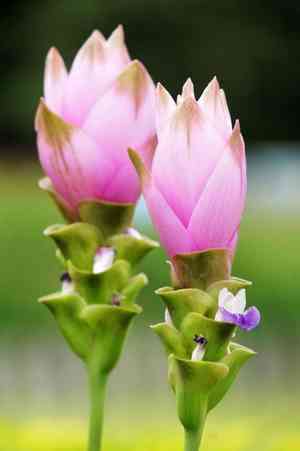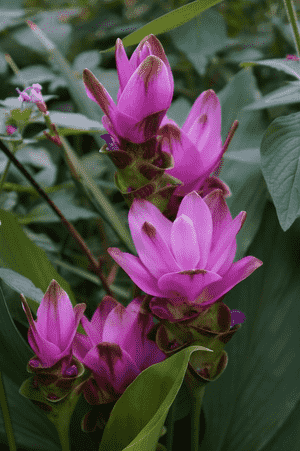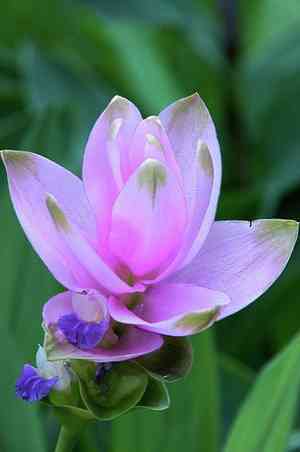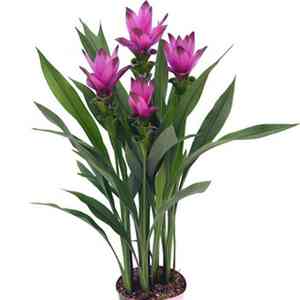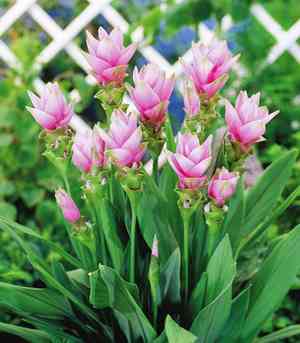
Siam tulip(Curcuma alismatifolia)

Siam tulip (Curcuma alismatifolia)

Also known as: Summer tulip

The Siam Tulip (Curcuma alismatifolia) is an exotic perennial known for its striking pink flowers that bloom from late spring through early fall. With moderate salt tolerance, it's well-suited for coastal regions. This plant thrives in full sun to partial shade and reaches up to 61 cm in height when grown in moderately moist soil.

Attributes of Siam tulip

Lifespan
Perennial
Plant Type
Herb
Plant Height
30 cm to 80 cm
Spread
30 cm to 45 cm
Leaf Color
Green Blue
Flower Size
5 cm to 8 cm
Flower Color
Pink White Purple Red

ForwardPlant - Identify plants with a snap

Identify and diagnose plants, get toxicity alerts, and explore safety guides for all types of fungi.

Try for Free

Images of Siam tulip

Siam tulip(Curcuma alismatifolia)

Quickly Identify Siam tulip

1
This plant can be identified by its long, lance-shaped leaves and bright, upright flower spikes that resemble large tulip blooms. The flowers generally appear above the foliage, making them prominent.

Scientific Classification of Siam tulip

Phylum
Vascular plants
Class
Monocotyledons
Order
Gingers, bananas, and allies
Family
Ginger
Genus
Curcuma
Species
Siam tulip

Planting and Growing of Siam tulip

Care Difficulty
Easy
Watering Schedule
Every 2 days
Sunlight Requirements
Partial sun
Sunshine Duration
6-12 hours
Ideal Temperature
68-77℉
Soil Type
Potting Mix, Peat Mix
Soil pH
6.5-7.5
Fertilizer Type
Balanced
Pruning Season
Spring, Summer
Pruning Area
Branches, Leaves
Pruning Frequency
2 times a year
Repotting Season
Spring
Pot Type
Plastic, Ceramic

water icon How to Water Siam tulip?

Curcuma alismatifolia requires a consistent but moderate watering routine. The key is to keep the soil moist without making it soggy. During the growing season, water the plant until the top inch of soil is saturated, ensuring excess water drains away.
What are the symptoms of an underwatered Siam tulip?
What should I do if my Siam tulip is not getting enough water?
What are the symptoms of an overwatered Siam tulip?
How to save an overwatered Siam tulip?
More About Watering Techniques

sunlight icon What Are the Sunlight Requirements for Siam tulip?

Sunlight Requirements: Partial sun
Duration of light: 4 to 6 hours
Partial sun exposure allows the plant to flourish, promoting vibrant blooms and robust health without the dangers of leaf scorching.
What is the best light condition for Curcuma alismatifolia?
How do you achieve ideal lighting for Curcuma alismatifolia?
What benefits come from providing ideal lighting for Curcuma alismatifolia?
More About Sunlight Requirements Techniques

temperature icon What Is the Ideal Temperature Range for Siam tulip?

Ideal Temperature: 68 ~ 77℉
The ideal temperature range for growing Curcuma alismatifolia is between 68 and 77 degrees Fahrenheit. This range supports optimal growth rates and flowering. The plant thrives in warm conditions typical of its native tropical environments. Adequate warmth ensures vigorous growth and reduces stress, allowing the plant to focus on developing its beautiful blooms.

soil icon What Soil is Best for Siam tulip?

Soil type: Loam, Sandy loam
Soil PH: 6.5 ~ 7.5
Curcuma alismatifolia thrives best in nutrient-rich soil. This ensures that the plant has access to all necessary minerals needed for robust growth and vibrant blooms. The plant requires well-draining soil to prevent waterlogging, which can lead to root rot. Proper drainage mimics its natural tropical environment, benefiting its root health. While the soil should drain well, it must also retain some moisture to accommodate the plant's preference for moderate hydration. This balance helps keep the plant hydrated while preventing fungal issues. More About Soil

fertilize icon How to Fertilize Siam tulip?

Fertilizer type: Balanced
For Curcuma alismatifolia, the recommended amount of liquid fertilizer is to dilute it to half the strength suggested on the label. For instance, if the package recommends 10 ml per liter, use only 5 ml. This dilution helps to prevent nutrient burn and ensures a consistent supply of nutrients without overwhelming the plant. More About Fertilizing Techniques

prune icon How to Prune Siam tulip?

Pruning Time: Spring, Summer, Autumn
First, identify and remove any dead or diseased leaves. These leaves often appear brown or yellow and can be easily removed by cutting them at the base of the stem. This step is crucial to allow the plant to redirect its energy to healthier parts. Trim and shape the plant to maintain its symmetry and encourage bushier growth. Cut back any stalks that have completed flowering to encourage new blooms and enhance the aesthetic appearance of the plant. After pruning, closely monitor your plant for signs of stress or disease. Ensure humidity levels are optimal and that the soil is well-draining, as Curcuma species prefer a lush, moist environment but cannot tolerate stagnation. More About Pruning Techniques

propagate icon How to Propagate Siam tulip plant?

Propagate Time: Late spring,Early summer
1
Carefully water Curcuma alismatifolia a day before dividing to ensure the soil is moist but not soggy, making it easier to dig and separate the plant.
2
Dig around the plant carefully to expose the rhizomes. Gently separate them using your hands or a sterile tool, ensuring that each section has at least one growth point.
3
Replant the separated rhizomes at the same depth they were growing before. Choose a well-draining soil and water thoroughly after planting to help establish roots.
More About Propagating Techniques

repot icon How to Repot Siam tulip plant?

Repotting frequency: Once every two years
1
Curcuma alismatifolia needs repotting when its roots start crowding the pot or when new growth begins to slow. The ideal time to repot is during spring or summer when the plant is actively growing. If you notice the plant wilting frequently despite regular watering, this could also indicate that it's time to consider moving it to a bigger home.
2
Select a pot that is at least 2 inches wider than the previous pot to give the roots room to expand. Opt for pots with drainage holes to prevent waterlogging, which can cause root rot. Terracotta or ceramic pots are preferable as they provide stability and allow the soil to breathe, maintaining a balanced moisture level.
3
Choose a well-drained, sandy loam soil that allows for good aeration and prevents water accumulation. A mix that includes equal parts peat, sand, and loamy soil ensures that the plant retains moisture while draining excess water, reducing the risk of root diseases.
More About Repotting Techniques

ForwardPlant - Identify plants with a snap

Find the best spots for them to optimize their health, simply using your phone.

Try for Free

Toxicity of Siam tulip

Is Siam tulip toxic to cat?

The Siam tulip presents a slight toxic hazard to cats when ingested in substantial quantities. Every part of this plant is hazardous to felines. Should a cat consume a considerable amount of Siam tulip, it might display symptoms of physical distress or illness that necessitate urgent veterinary care. Cat owners must keep an eye on their pets and ensure that Siam tulip is inaccessible to avert any possible health complications. In case of accidental consumption, it is essential to obtain swift treatment at a veterinary facility to safeguard the cat's health.

Is Siam tulip toxic to dog?

The Siam tulip is regarded as having a mild toxicity level for dogs. Although it is not classified as highly toxic, the ingestion of substantial amounts can result in negative health impacts for canines. Any part of the siam tulip can be harmful to dogs, as all components are toxic. Symptoms that may follow ingestion include gastrointestinal disturbances, such as vomiting and diarrhea, along with potential lethargy or excessive drooling. It is vital for dog owners to keep a close eye on their pets and restrict their access to the siam tulip in order to prevent the danger of poisoning. If a dog happens to consume siam tulip, it is imperative to seek immediate veterinary assistance to ensure appropriate treatment and management of any arising symptoms.

Identify toxic plants for your safety

Learn which plants are harmful to you and your pets, and make informed choices for a safer home!

Try for Free
WARNING
The judgment on toxicity and danger is for reference only. We DO NOT GUARANTEE any accuracy of such judgment. Therefore, you SHALL NOT rely on such judgment. It is IMPORTANT TO SEEK PROFESSIONAL ADVICE in advance when necessary.
More About Toxic Techniques