How Much Sunlight Do Silver dollar plant Need?
1
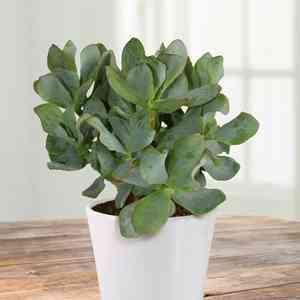
The Silver dollar plant flourishes optimally with ample sun exposure, requiring more than six hours of direct sunlight each day.
2
Excessive direct sun can cause leaf scorching on your Silver dollar plant.
3
In colder months, it's crucial to supply supplementary illumination if natural light is inadequate.
What are the Illumination Requirements for Silver dollar plant?
Optimal Light Conditions
The Silver dollar plant is a succulent that thrives in bright, indirect light but can also endure partial shade. For best development, aim to give it at least 6 hours of direct sun daily, known as full sun. This helps the plant keep its vibrant green hue and encourages robust growth. When grown indoors, a south-facing window is often ideal as it typically receives abundant sunlight throughout the day.
Indicators of Excessive Light
While the Silver dollar plant enjoys sunlight, too much direct exposure, especially during peak hours, can cause leaf sunburn. You'll notice this if the leaves begin to develop brown or white spots. Additionally, the foliage might become crisp and brittle. If these signs appear, consider moving the plant slightly away from the window or providing some cover during the most intense sun periods.
Indicators of Insufficient Light
Conversely, if your Silver dollar plant isn't getting enough light, it will show by becoming elongated, with stretched and sparse growth as it seeks more illumination. The leaves may also lose their vibrant color, becoming duller over time. If this happens, try relocating it to a brighter spot or supplementing with artificial grow lights.
Where to Position Your Silver dollar plant for Best Sunlight
Ideal Indoor Placements
When placing your Silver dollar plant indoors, aim for a location that receives ample light, such as a south or west-facing window. If these aren't available, an east-facing window can work, but be aware the plant might not get as much intense light. Another option is to place it in an area with abundant natural light, but where it's shielded during the day's peak sun hours with a sheer curtain.
Outdoor Positioning Advice
If you're cultivating your Silver dollar plant outdoors, choose a spot that offers a mix of direct morning sun and some afternoon shade to prevent scorching. A patio or porch that gets morning sunlight is an excellent location, as the gentler rays help mitigate any risk of burning. Ensure the plant is in well-draining soil to prevent root rot, as succulents are susceptible to overwatering issues.
How Seasonal Variations Impact Sunlight Needs for Silver dollar plant
Winter Care
In colder months, sunlight can become scarce, particularly in northern regions. It's crucial to provide your Silver dollar plant with as much light as possible during winter. Moving it closer to a well-lit window or using a grow light to compensate for shorter daylight hours can help maintain its health. Also, be mindful of cold drafts from windows and consider repositioning the plant to avoid these chilling effects.
Summer Adjustments
During summer, your Silver dollar plant will likely receive plenty of sunlight. However, the intensity of the summer sun can be harsh. To prevent sunburn, you might need to provide some shade during the hottest part of the day if the plant is outdoors. Indoors, this might mean moving it back slightly from south-facing windows or using a sheer curtain to diffuse the intense rays.
Utilizing Artificial Illumination for Silver dollar plant
Types of Grow Lights
Grow light options vary widely, but full-spectrum LED grow lights are an excellent choice for succulents. They mimic natural sunlight and are energy-efficient, making them suitable for long-term use. Fluorescent lights are another option, though they may not be as efficient or full-spectrum as LEDs.
Setup and Maintenance
Position your grow lights approximately 12-18 inches (30-45 cm) above the Silver dollar plant. Ensure the light covers the entire plant and adjust the height as the plant grows. Clean the lights and reflectors regularly to maintain their efficiency and prevent dust and grime buildup, which can reduce light emission.
Timing and Duration
When using artificial lights, emulate the natural daylight cycle by keeping the lights on for about 12-14 hours daily. Using a timer can help automate this process and ensure your plant receives consistent light. During winter months, extended light periods can be beneficial, compensating for reduced natural daylight.



