How Much Sunlight Do Bear's paw Need?
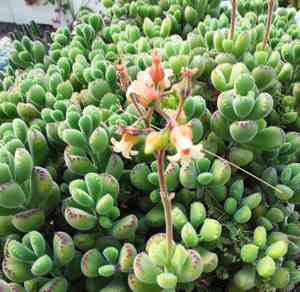
1
Bear's paw thrives in ample, filtered light, though it can withstand a certain degree of direct sun exposure.
2
Excessive direct sun can result in foliage scorching.
3
Supplementing with artificial lights can aid in providing adequate illumination during the dimmer winter months.
Deciphering Bear's Paw Light Requirements
Optimal Light Conditions
The Bear's paw, recognized by its velvety, paw-like leaves, flourishes best with ample bright, indirect illumination. It should ideally receive approximately 6 hours of light daily. While tolerant of some direct sun, particularly in the morning or late afternoon, intense midday sun can be damaging. Outdoors, a site offering filtered light, such as beneath a protective covering, is ideal.
Indicators of Excessive Sun
Overexposure to direct sunlight can stress your Bear's paw. Key warning signs include leaves turning pale or white, and sunburn, which manifests as brown or scorched patches on the foliage. If these symptoms appear, consider relocating your plant to a less intense light environment, or provide shade during peak sun hours.
Indicators of Insufficient Sunlight
Conversely, a lack of adequate sunlight can also negatively impact your Bear's paw. Symptoms of insufficient light include elongated, stretched growth as the plant seeks illumination, and a dulling of its vibrant green leaf color. If your plant appears to be reaching for light or its color is faded, try moving it closer to a light source or supplementing with artificial lighting.
Prime Locations for Bear's Paw
Indoor Placement
For indoor Bear's paw cultivation, the ideal spot is near a window providing bright, yet filtered, sunlight throughout the day. North-facing windows often offer consistent, gentler light and are frequently a good option. Alternatively, east or west-facing windows can also work well, but contemplate using sheer blinds to diffuse overly strong light.
Outdoor Placement
If you prefer to cultivate your Bear's paw outdoors, select a location with partial shade. For example, beneath the dappled light of a tree or on a shaded patio would be perfect. Ensure it receives morning sun, which is less harsh, while avoiding direct exposure during the intense afternoon hours to prevent leaf scorching.
Modifying Bear's Paw Sunlight Exposure
Seasonal Light Adjustments
Your Bear's paw will require varying light levels depending on the time of year. During summer, be wary of overly strong rays and offer some midday protection from the sun. In contrast, winter brings shorter days and weaker light, so think about positioning your plant in a brighter area or nearer to a window to maximize light reception.
Utilizing Grow Lights
During the colder months or in dimly lit homes, employing grow lights can be crucial for your Bear's paw. Position energy-efficient LED grow lights a few inches above the plant and keep them illuminated for approximately 8-12 hours daily to emulate natural sunlight. This ensures your plant gets essential light energy even when natural light is scarce.
Common Questions Regarding Bear's Paw Sunlight Needs
Can Bear's Paw Endure Low Light Conditions?
While the Bear's paw is quite resilient, it will not flourish in dim light. It might survive, but you will likely observe elongated growth and a loss of vibrant coloration. For optimal health and development, confirm it receives plenty of bright, indirect sunlight daily.
How to Shield Bear's Paw from Intense Sunlight?
To safeguard your Bear's paw from intense sunlight, especially during peak summer, add a sheer curtain if indoors or place it under a leafy tree or a protective shade structure if outdoors. Regularly inspect your plant for any indications of sunburn or stress, and adjust as necessary.



