How Much Sunlight Do Bird in a bush Need?
1
To achieve its best growth, the Bird in a bush needs approximately 3-6 hours of daily sun exposure.
2
While this species can endure either full sun or complete shade, a partially shaded location is most suitable.
3
Flourishing Bird in a bush specimens exhibit lively foliage and consistent flowering cycles.
Ideal Sun Exposure for Bird in a Bush
What Type of Light Does Bird in a Bush Prefer?
A crucial element for cultivating Bird in a Bush successfully is understanding its light preferences. This delightful plant thrives best with partial sun, needing approximately 3-6 hours of daily sunlight. While it tolerates both full sun and complete shade, partial sun allows it to reach its peak health, ensuring robust development and vivid blossoms.
Full Sun Versus Partial Shade: The Better Choice for Bird in a Bush?
The choice between full sun and partial shade can be complex for Bird in a Bush. Ideally, these plants benefit from equilibrium. Although full sun can encourage vigorous development, it might also cause scorching if the temperature is too high. Conversely, partial shade offers a cooler setting, safeguarding the plant from intense midday rays while still providing enough light for photosynthesis.
Indoor Versus Outdoor Light Requirements for Bird in a Bush
Whether cultivated indoors or out, Bird in a Bush exhibits adaptable light needs. Outdoors, placing the plant where it gets morning sun and afternoon shade can be advantageous. Indoors, positioning it near a bright window with filtered light will mimic its preferred outdoor environment. Always remember to rotate indoor plants regularly for consistent light exposure.
Daily Light Dose for Bird in a Bush
How Many Hours of Sunlight Does Bird in a Bush Require?
For Bird in a Bush to flourish, it's essential to supply around 3-6 hours of sunlight each day. This duration ensures the plant obtains the necessary energy for photosynthesis without prolonged exposure to potentially damaging intense sunlight. Whether morning or late afternoon sun, maintaining this range is key to a healthy specimen.
Effects of Excessive or Insufficient Sunlight
Both extremes of sunlight can negatively impact Bird in a Bush. Too much sun can lead to leaf scorching, resulting in brown, crispy edges, and potentially hindering flowering. Conversely, too little sunlight might cause spindly growth, weak stems, and sparse blooms. Achieving the correct balance is vital; closely monitor the plant and adjust its placement as necessary.
Indicators of Proper Light for Bird in a Bush
Healthy Leaf Color and Growth Habits
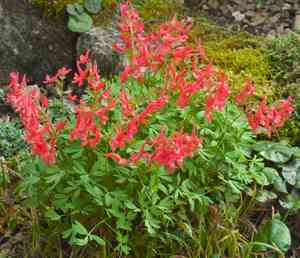
A thriving Bird in a Bush will display vibrant, rich green foliage. Look for uniform growth with strong stems and no signs of uneven stretching. If the plant is receiving optimal light, its leaves should appear healthy and free from burn marks or discoloration. Consistent development without stunted or overly elongated branches is another positive sign.
Flowering and Bloom Frequency
Another indicator that Bird in a Bush is getting adequate light is its blooming behavior. With the right light conditions, you can anticipate frequent and abundant flowers. If your plant isn't flowering as expected, a light adjustment may be necessary. Ensuring it receives approximately 3-6 hours of daily sunlight can help maintain its natural blooming cycle.
Modifying Light Conditions for Bird in a Bush
How to Supplement Light for Indoor Bird in a Bush
If you're growing Bird in a Bush indoors and natural light is insufficient, consider employing grow lights. LED grow lights positioned about 12-18 inches (30-45 cm) above the plant can provide the extra light needed to thrive. Supplying artificial illumination for approximately 8-12 hours can simulate natural sunlight and foster robust growth.
Utilizing Natural Light for Optimal Development
When cultivating Bird in a Bush outdoors, natural light is your best asset. Observe the sun's path in your garden to select the ideal spot where the plant receives morning sun and afternoon shade. This strategic positioning will offer a perfect light balance without exposing the plant to extreme solar radiation.



