How Much Sunlight Do Forest cabbage tree Need?
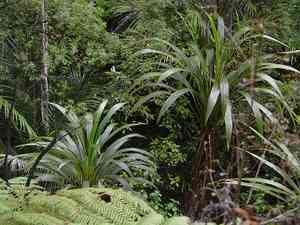
1
The Forest cabbage tree flourishes optimally with approximately 3-6 hours of daily sun exposure.
2
Excessive direct sun can scorch leaves, whereas insufficient light hinders development.
3
Employing sheer drapes can assist in regulating the plant's indoor light levels.
What Light Conditions Does Forest Cabbage Tree Need?
Direct Sun Exposure
The Forest cabbage tree can endure direct sun, but it's vital to be mindful of extended periods, especially during the day's hottest hours. Morning sun is typically less harsh and more advantageous. Aim for around 3-4 hours of direct sun, primarily in the morning or late afternoon to prevent leaf burn.
Indirect Sun
Indirect sunlight is optimal for the Forest cabbage tree. Position it near a window where it can receive bright, filtered light for several hours daily. If kept indoors, placing the plant near a north-facing window will allow it to absorb ample light without the risk of direct exposure.
Shade Tolerance
While the Forest cabbage tree is quite adaptable, it doesn't flourish in full shade. Limited indirect light can hinder its growth and cause leaves to lose their vibrancy. However, it can handle partial shade for part of the day, especially in warmer climates, where some relief from the sun is beneficial.
Best Locations for the Forest Cabbage Tree
Indoor Placement
For indoor settings, aim to position your Forest cabbage tree near a bright window that gets a good mix of both direct and indirect sunlight. East or west-facing windows often provide the ideal combination. You can also use sheer curtains to diffuse the light, which helps prevent direct sun from scorching the leaves.
Outdoor Placement
When planting the Forest cabbage tree outside, select a spot that receives morning sun and afternoon shade. Partial sun locations work well, offering a perfect balance. If you reside in a particularly hot region, ensure the plant has sufficient shade during peak midday heat to avoid leaf damage.
Seasonal Light Considerations for Forest Cabbage Tree
Winter Light Needs
During colder months, the Forest cabbage tree still requires adequate light, though its intensity and duration may naturally decrease. Consider moving the plant closer to a window to maximize the reduced sunlight. If necessary, supplement with artificial lights to ensure it gets at least 3-4 hours of light daily.
Summer Light Needs
In summer, the sun's intensity increases, so it's crucial to monitor your Forest cabbage tree to prevent leaf scorch. Providing afternoon shade or using a shade cloth can help mitigate excessive light exposure. Remember, early morning and late afternoon sun is usually best for this plant.
Indicators of Light Problems in Forest Cabbage Tree
Symptoms of Excessive Sunlight
If your Forest cabbage tree is getting too much sun, you'll notice signs like scorched or brown leaf edges, wilting, and overall stress. It might also develop dry, brittle leaves. Adjust its position to ensure it's not exposed to harsh midday sun.
Symptoms of Insufficient Sunlight
Too little sunlight can cause your Forest cabbage tree to become leggy with sparse, pale foliage. The plant may also show slowed growth and a general lack of vigor. Moving it to a brighter spot or adding artificial lighting can help resolve these issues.
How to Optimize Light for a Healthy Forest Cabbage Tree
Using Sheer Curtains Indoors
Sheer curtains are an excellent tool for managing indoor light. They filter out intense rays while allowing ample indirect sunlight. Incorporate sheer curtains in your plant's environment to ensure a steady supply of appropriate light without harming its foliage.
Relocating the Plant Outdoors
If your Forest cabbage tree needs more light, consider moving it outdoors temporarily, especially during the growing season. Ensure the location is safe from intense midday sun and provides partial shade during the hottest part of the day.
Implementing Artificial Lighting
For times when natural light is insufficient, such as in winter, using artificial grow lights can be very beneficial. Choose full-spectrum LED grow lights that mimic natural sunlight and place them about 30-60 centimeters (1-2 feet) above the plant for optimal growth.



