How Much Sunlight Do Golden rat tail Need?
1
Golden rat tail flourishes with ample sunlight, requiring more than 6 hours of direct sun each day.
2
It can endure some shade, but its growth might be less robust.
3
Too much sun exposure can lead to scorched areas on the Golden rat tail.
Optimal Illumination for Golden Rat Tail
Ideal Light Conditions
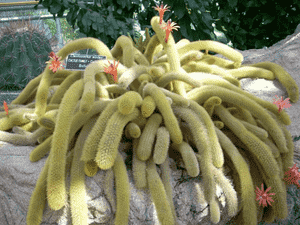
The Golden rat tail, with its striking elongated stems, thrives best with abundant sunlight. Ideally, this plant should be situated where it receives full sun. This means it needs at least six hours of direct sun exposure daily. A bright, open outdoor spot is excellent, or a sunny window if kept indoors. Natural light enhances the plantâs photosynthetic capacity, ensuring robust and lively growth.
Daily Sunlight Requirements
Each day, your Golden rat tail should receive over 6 hours of direct sunlight to flourish. This cactus, originating from regions with high light levels, has evolved to require substantial illumination. During cloudy days or in areas with less sun, supplement natural light with grow lights to meet its needs.
Seasonal Light Adjustments
As seasons change, the amount of sunlight your Golden rat tail receives will also vary. In summer, long days provide ample light, but in winter, you'll need to be proactive. Position the plant where it can capture any available sunlight, or use artificial lighting to maintain its health. Remember, while it can endure brief periods of partial sun, continuous low light will impede its development.
The Impact of Insufficient Light on Golden Rat Tail
Signs of Light Deprivation
If your Golden rat tail isn't getting enough sunlight, it will exhibit certain indicators. These include elongated stems stretching towards the nearest light source, known as 'etiolation'. The plant may also lose its vibrant coloration and appear pale or unhealthy. Look for reduced blooming as a sign, as proper light levels are crucial for flowering.
How to Increase Sun Exposure
To boost your Golden rat tail's sun exposure, begin by relocating it to a brighter spot. If indoors, place it near a south-facing window. Outdoors, ensure itâs in an unshaded area. Consider rotating the plant periodically to ensure all sides receive balanced light. Utilizing reflective surfaces around the plant can also help increase the light it absorbs.
Protecting Your Golden Rat Tail from Excessive Sun
Symptoms of Overexposure
Just as too little sunlight is problematic, too much can be detrimental. Overexposed Golden rat tail plants may develop sunburn, indicated by white or brown spots on the stem surface. Additionally, the plant may become dry and brittle. These are clear signs that itâs receiving too much direct sunlight.
Shading Techniques
To shield your Golden rat tail from excessive sun, especially during the hottest part of the day, employ shading methods. Use sheer curtains or move the plant to a partially shaded area. Outdoors, consider using shade cloths or positioning the plant under taller vegetation that provides filtered light.
Best Practices for Preventing Sunburn
To prevent sunburn, acclimate your Golden rat tail gradually when moving it to a new, sunnier location. This helps it adjust without the shock that can cause damage. Ensure sudden changes in light levels, such as moving from deep shade to full sun, are avoided. Regularly inspect your plant for signs of stress and adjust its care as needed.
Indoor vs. Outdoor Illumination for Golden Rat Tail
Sunlight in Different Environments
Whether your Golden rat tail is indoors or outdoors significantly affects its light conditions. Outdoors, it receives unobstructed natural sunlight, which is optimal. Indoors, the plant relies on the quality and quantity of sunlight through windows, which can be less consistent. Aim to replicate outdoor sun exposure as closely as possible.
Adapting Light Conditions for Indoors
Indoors, the best spot for your Golden rat tail is near a south-facing window where it can get ample light. If natural sunlight is insufficient, consider using grow lights to provide the necessary illumination. Position the lights about 30-45 cm (12-18 inches) above the plant and operate them for 12-14 hours a day.
Outdoor Sunlight Management
For Golden rat tail plants kept outdoors, strategic placement is crucial. Ensure the plant is situated in an area where it gets plenty of morning sun and some shade during the peak afternoon heat. This balance helps prevent heat stress and sunburn, keeping your plant healthy and vibrant throughout the year.



