How Much Sunlight Do Snow-in-summer Need?
1
Snow-in-summer flourishes optimally with over 6 hours of direct sun exposure each day.
2
Partial shade is acceptable for this plant, though blooming might be less abundant.
3
Observe the plant for indications of sun damage or insufficient light to ensure peak condition.
Optimal Light Conditions for Snow-in-summer
Complete Sun Exposure
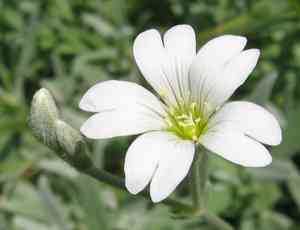
Snow-in-summer thrives in bright light. Ideally, this plant should receive a minimum of 6 hours of direct sunlight daily. Full sun promotes its most vibrant silvery foliage and abundant white blooms. Placing it in a sunny spot encourages robust growth, more frequent flowering, and a healthier appearance overall.
Partial Shade Adaptability
While Snow-in-summer prefers full sun, it can endure some partial shade. In areas with very hot summers, providing afternoon shade can help prevent plant stress. However, excessive shade can reduce flower production and lead to leggy growth. Therefore, achieving the right balance is crucial for peak performance.
Ensuring Proper Light for Snow-in-summer
Selecting the Ideal Spot
To give your Snow-in-summer the best chance to flourish, choose a location that receives ample sunlight throughout the day. A south- or west-facing area in your garden is typically best as these spots usually get the most sun. Ensure no trees or structures cast significant shadows on your Snow-in-summer during key daylight hours.
Adapting Light with Seasonal Shifts
Seasonal variations can impact the amount of light your Snow-in-summer receives. In spring and summer, days are longer and the sun is more intense, which is perfect. However, in fall and winter, you might need to move potted plants to brighter locations or use supplemental lighting if grown indoors. Adjusting its position ensures it continues to get necessary light as seasons change.
Signs of Improper Light Exposure for Snow-in-summer
Symptoms of Sunburn or Overexposure
If Snow-in-summer gets too much sun, especially in very hot conditions, it can show signs of sunburn. Look for scorched or browned leaf edges, wilting, or sunken, darkened areas on the foliage. To prevent this, consider offering partial shade during peak afternoon heat. Regular checks allow for early detection and necessary adjustments to protect the plant.
Indicators of Insufficient Light
Conversely, inadequate sunlight can also harm Snow-in-summer. Signs include elongated or stretched stems as the plant reaches for light, sparse flowering, and pale or yellowing leaves. If you observe these symptoms, try moving your plant to a sunnier spot or trimming any obstructions that might be blocking its light.



