How Much Sunlight Do Cock's comb Need?
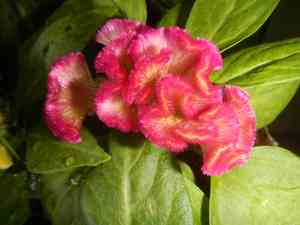
1
Celosia performs best with ample sunlight, needing a minimum of 6 hours of direct sun each day.
2
Although celosia can endure some dappled light, insufficient sun exposure might diminish its vivid hues and development.
3
Overexposure to sunlight, leading to burnt or scorched leaves, indicates that celosia is getting excessive sun.
Optimal Light Conditions for Celosia
Full Sun Versus Partial Shade
For prime illumination, Celosia thrives in full sun exposure. This means receiving a minimum of six hours of direct daylight daily. While it can endure partial shade, it may not reach its full potential in terms of brilliant hues and vigorous development. In such conditions, it might display elongated stems and muted coloration.
Daily Light Requirements
Celosia plants typically require between 6 to 8 hours of sun per day. This amount of light ensures they remain healthy, robust, and display their vivid shades. In extremely hot climates, some afternoon shelter can safeguard them from excessive heat and solar stress.
Seasonal Adjustments for Light
Modifying light exposure based on the season is vital for Celosia. During intense summer periods, when the sun is strongest, afternoon shade can shield the plant from the harshest rays. Conversely, in spring and autumn, ensuring ample light throughout the day helps maintain its vibrancy and health.
How to Ensure Celosia Receives Sufficient Light?
Optimal Garden Placement
For outdoor cultivation, select a garden spot that receives abundant direct sunlight throughout the day. South-facing locations are often ideal, as they capture the maximum amount of solar exposure. Consider the plant's needs and maintain a good balance of light and shade to prevent scorching.
Indoor Cultivation Advice
If cultivating Celosia indoors, position it near the brightest windows, ideally those facing south or west. These directions provide the most sunlight, which is critical for the plant's growth. Rotate the plant periodically to ensure uniform exposure and prevent uneven development or leaning.
Utilizing Supplemental Grow Lights
When natural sunlight is insufficient, consider employing grow lights as a supplement. Position the lights approximately 6-12 inches (15-30 cm) above the plants and operate them for about 12-16 hours daily. This will help simulate the necessary light conditions for robust growth and brilliant flowers.
Common Light-Related Problems for Celosia
Indicators of Excessive Sun
When Celosia receives too much sun, you'll observe symptoms such as leaf curling or browning on the edges. Sunburn or leaf scorch typically manifest as discolored or brittle patches, signaling that the plant is getting more light than it can tolerate.
Indicators of Insufficient Sun
Conversely, if Celosia does not receive enough light, it might show elongated growth, pale coloration, and fewer blossoms. The plant may appear stretched and weak as it seeks more light, and its foliage might lose its vibrant hue.
Solutions for Sun-Damaged or Shaded Plants
For plants experiencing too much sun, try moving them to a location with some afternoon shade or using a shade cloth. If they are not receiving enough light, relocating them to a sunnier spot or supplementing with grow lights can be beneficial. Regularly evaluate the plant's condition and adjust its placement as necessary.
Adjusting Light Exposure Through the Year
Spring and Summer Care
During spring and summer, ensure your Celosia receives its required amount of sunlight. These are the peak growing seasons, so full sun exposure is crucial for vivid color and vigorous growth. However, be cautious of intense heat during the height of summer.
Autumn and Winter Care
In autumn and winter, the sun's strength and duration diminish. If you reside in an area with mild winters, ensure the plant gets the most possible sunlight, even if limited. Consider moving potted plants indoors to capture more light or using grow lights during these less sunny months.
Managing Seasonal Changes
It is essential to adapt to seasonal shifts to ensure Celosia receives consistent light all year. Regularly monitor the plant's condition and adjust its position or light exposure accordingly. By paying close attention to the plant's needs throughout the year, you can help it thrive irrespective of the season.



