How Much Sunlight Do Papaya Need?
1
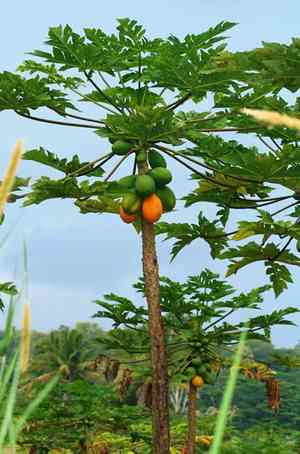
Papaya plants thrive in bright, direct light, needing over 6 hours of sun each day.
2
Sufficient sunlight supports the plant's photosynthetic processes and enhances its overall vigor and fruit yield.
3
Too much or too little sun can lead to problems for Papaya plants, including stunted development or leaf scorch.
The Importance of Sunlight for Papaya Plants
Energy Conversion and Development
Sunlight is vital for photosynthesis, the process through which Papaya plants transform light energy into chemical energy. This energy fuels their development, fostering strong stalks, abundant foliage, and generous fruit yields. Without adequate solar exposure, photosynthesis decelerates, hindering the plant's growth and vigor.
Influence on Fruit Yield
The quantity of sunlight Papaya plants absorb directly impacts their capacity to bear fruit. Greater sun exposure translates to more energy for the plant, resulting in healthier, larger, and more flavorful fruit. Conversely, inadequate sunlight can lead to fewer, smaller, and less sweet fruits, as the plant struggles to accumulate sufficient energy for fruit maturation.
Vitality and Pest Resistance
Sunlight assists Papaya plants in preserving overall health and resistance to disease. Plants that receive ample light are generally more robust and resilient against pests and pathogens. A lack of sunlight can enfeeble the plant, making it more vulnerable to infections and infestations, which could ultimately compromise its well-being.
Optimal Sunlight Exposure for Papaya Plants
Daily Sun Requirements
Papaya plants flourish best in full sun, needing over 6 hours of direct sunlight daily for optimal development. They can endure partial sun, but for peak fruit output and general vitality, full sun is essential.
Direct Versus Diffused Light
Direct sunlight means solar rays strike the plant unimpeded, which is perfect for Papaya. While they can cope with some indirect light, where sunlight is scattered, too much of it can result in slower growth and reduced fruiting. Aim for the majority of their daily sunlight to be direct.
Seasonal Light Fluctuations
Sunlight exposure varies with the seasons. During summer, plants typically receive abundant light, while winter may present challenges. Thoughtfully position Papaya plants to maximize exposure throughout the year, perhaps by adjusting their placement or utilizing reflective materials to redirect light.
Consequences of Inadequate or Excessive Sun for Papaya
Indicators of Insufficient Sunlight
If a Papaya plant isn't getting enough sunlight, you'll observe several key signs: pale or yellowing leaves, sparse greenery, elongated stems (a symptom of etiolation), and minimal fruit production. These signs suggest the plant is struggling with energy generation.
Signs of Overexposure to Sun
Conversely, too much sun can cause leaf scorch, appearing as brown, brittle edges on the leaves, or general wilting, despite sufficient watering. Ensuring a balance of sunlight and occasional shade can help shield the plant from excessive exposure.
Strategies for Maximizing Sunlight for Papaya
Choosing the Prime Spot
Position your Papaya plant in an area that receives ample direct sunlight, ideally on the southern side of your garden or yard where solar exposure is most plentiful, especially during the peak hours of the day.
Utilizing Shade Cloth or Netting
In regions with intense midday sun, employing a shade cloth or netting can help regulate the amount of sunlight Papaya plants absorb. This setup, providing approximately 20-30% shade, can safeguard plants from the harshest sun while still ensuring they receive enough light for healthy growth.
Pruning and Spacing for Enhanced Light Access
Regularly pruning Papaya plants helps maintain an open structure, allowing sunlight to penetrate to all parts of the plant. Additionally, spacing plants appropriately ensures they don't overshadow each other, maximizing sunlight exposure for each specimen.
Common Misconceptions About Papaya and Sunlight
Myth 1: Papaya Thrives in Low Light
A common misconception is that Papaya plants can flourish in low light conditions. While they might survive in such environments, they certainly won't thrive. Insufficient sunlight leads to weak, spindly plants with poor fruit yields.
Myth 2: More Sun is Always Better
Another myth is that more sunlight is consistently advantageous. While Papaya plants do demand substantial light, excessive exposure, especially without adequate hydration, can cause leaf burn and stress. Moderation and equilibrium are paramount.



