How Much Sunlight Do Angel wings Need?
1
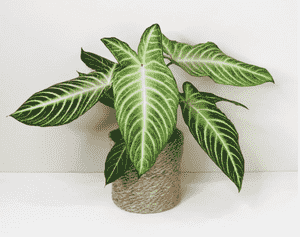
Angel wings flourish optimally in partial sunlight, receiving 3-6 hours daily.
2
While this plant endures full shade, its colors intensify with sufficient illumination.
3
Angel wings are versatile for indoor and outdoor environments, given appropriate light modifications.
Optimal Illumination Needs for Angel wings
Grasping Light Requirements
Angel wings are favored by plant enthusiasts for their stunning, sizable, and variegated foliage. Understanding their light demands is vital for ensuring robust growth and vividness. This plant thrives in partial sun, meaning it benefits from 3-6 hours of direct sunlight daily. While it can endure full shade, such conditions may lead to less vibrant coloring and reduced growth rate. Providing balanced light ensures the leaves retain their striking appearance and the plant stays healthy.
Ideal Lighting Conditions
To provide your Angel wings with optimal light, position it where it receives filtered or dappled sunlight. Prolonged direct sun exposure can potentially scorch the leaves, while insufficient light can dull their colors. Excellent spots include east or west-facing windows, or near a sheer curtain. For outdoor plants, select a location with morning sun and afternoon shade to mimic their natural habitat. This balanced exposure ensures adequate light without damage risk.
Selecting the Appropriate Location
Indoor Lighting Placement
Placing your Angel wings indoors necessitates a strategic approach to light positioning. Locating it near an east or west-facing window is perfect, as these offer gentle sunlight in the morning or late afternoon. If your home only has south-facing windows, employ sheer curtains or blinds to diffuse the intense light. Regular rotation of the plant is crucial to ensure uniform light exposure on all sides, preventing lopsided growth.
Outdoor Light Exposure
When cultivating Angel wings outdoors, choosing the right spot is essential. Position the plant in an area where it can enjoy morning sunlight, which is less harsh, and afternoon shade. This method helps prevent leaf burn from the intense midday sun. Garden areas with dense, tall foliage can naturally provide the filtered light necessary for Angel wings' optimal growth. Periodically inspect the plant for signs of light stress and adjust its location if needed.
Adapting to Varied Lighting Environments
Low Light Adjustments
Angel wings are quite adaptable and can tolerate low light conditions better than many other houseplants. However, in such settings, the plant might exhibit slower growth and less vibrant leaves. To aid adaptation, gradually move the plant to brighter spots over time, allowing it to transition without shock. Additionally, consider using artificial grow lights to supplement natural light, enhancing its overall health and appearance.
Managing Excessive Sunlight
Too much sunlight can be detrimental to Angel wings. Signs of excessive light include yellowing or scorched leaves. To prevent this, always ensure the plant is not in direct, harsh sunlight for extended periods. If unavoidable, provide shade using garden fabrics, umbrellas, or natural foliage. Moving the plant to a shaded area during peak sunlight hours is also an effective method to protect it from excessive light exposure.
Indications Your Angel wings is Receiving Too Much or Too Little Light
Symptoms of Light Insufficiency
If your Angel wings is not getting enough light, it will display several clear signs. These include pale, yellowing leaves, elongated stems as it stretches for more light, and a slower overall growth rate. Address these symptoms by moving the plant to a brighter area, ensuring it receives sufficient indirect sunlight. Regularly reassess its position to maintain the correct light levels for optimal growth.
Signs of Overexposure to Light
Conversely, excessive light exposure can cause leaves to become scorched or develop brown spots. This damage often begins at the edges, spreading inward if not corrected. Additionally, the soil may dry out more quickly, leading to further stress. To remedy excessive light exposure, relocate the plant to a shadier spot and adjust watering practices to ensure the soil remains adequately moist.
Seasonal Light Changes and Modifications
Winter Light Care
During winter months, natural light levels decrease, which can impact your Angel wings. To compensate, place the plant closer to available light sources, such as windows, or use artificial grow lights to supplement the limited natural light. Ensure the plant is not exposed to cold drafts from windows or doors, as this can further stress it. Continuously monitor the plant's health and adjust its light exposure as needed.
Summer Light Adjustments
In summer, the increased intensity and duration of sunlight necessitate careful monitoring of your Angel wings. Avoid placing the plant in direct sunlight during peak hours. Instead, choose spots with indirect light or dappled shade. Remember to check the soil moisture more frequently, as the heat can cause it to dry out faster, affecting the plant's well-being.



