How Much Sunlight Do Jelly palm Need?
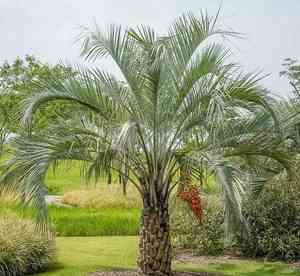
1
Jelly palm flourishes optimally with over six hours of direct sunlight daily.
2
It can endure some shade, particularly during peak heat periods.
3
Modify light exposure based on seasonal shifts to support ideal development.
Optimal Light Conditions for Pindo Palm
Full Sun Requirements
The Pindo palm flourishes when subjected to direct sunlight. This implies the plant should get over six hours of unfiltered sun daily. Ample sun exposure promotes vigorous development, sturdy trunk formation, and vibrant foliage. Thus, it's vital to site your Pindo palm in an open area where it can absorb abundant light.
Partial Shade Tolerance
While the Pindo palm prefers full sun, it can endure partial shade, particularly during intense midday periods. Younger plants or those in very hot climates might benefit from some shade to prevent leaf burn or excessive moisture loss. An ideal spot could offer dappled light or a mix of direct and indirect sun.
Seasonal Light Variations
The amount of light your Pindo palm receives should adapt with the changing seasons. During summer, the plentiful daylight is perfect. Conversely, in winter months, ensure your palm still gets the most available sunlight by trimming back any overhanging branches or considering supplemental indoor lighting if brought inside.
Why is Light Crucial for Pindo Palm Development?
Photosynthesis and Health
Sunlight is vital for photosynthesis, the process by which plants convert light energy into chemical energy to fuel growth. For the Pindo palm, adequate light ensures it maintains its lush green fronds and robust structure, making it an attractive addition to your garden.
Fruit Production and Quality
Sufficient light exposure is essential for the Pindo palm to produce its characteristic jelly-like fruits. The quality and quantity of the fruit are directly linked to how much light the palm absorbs. Therefore, ensuring your Pindo palm gets ample sun can lead to a more prolific and sweeter harvest.
How to Ensure Your Pindo Palm Receives the Right Light
Ideal Planting Locations
For optimal results, plant your Pindo palm in a spot where it can capture full sunlight for most of the day. Consider a south-facing position if you are in the northern hemisphere. Avoid placements near tall structures or large trees that could cast long shadows over your plant.
Adjustments for Indoor and Outdoor Growth
When cultivating the Pindo palm indoors, position it near a window with maximum sun exposure, such as a south or west-facing window. For outdoor growth, you might need to occasionally reposition containerized palms or prune surrounding vegetation to maintain optimal light levels.
Troubleshooting Common Light Issues in Pindo Palm
Signs of Excessive Light Exposure
Too much sun can cause the fronds of your Pindo palm to show signs of distress, such as browning tips, scorched areas, or overall faded coloration. These symptoms indicate it might need some shade during peak hours or more frequent watering to prevent dehydration.
Signs of Insufficient Light
Inadequate light can lead to stunted growth, drooping fronds, and a weakened trunk. The palm may also develop a dull green or yellowish tint. These signs suggest that your Pindo palm needs more light exposure to thrive effectively.
Remedial Actions to Correct Light Problems
If your Pindo palm gets too much sun, consider providing temporary shade by using garden netting or relocating it to a slightly shadier spot. For low light conditions, moving the palm to a sunnier location or supplementing with grow lights can help restore its vigor.



