How Much Sunlight Do Yesterday-today-and-tomorrow Need?
1
Brunfelsia pauciflora flourishes with a minimum of six hours of direct sunlight each day.
2
While this species can endure some shade, it produces more flowers when exposed to ample sunlight.
3
Shield your plant from intense midday solar radiation to avoid scorching its foliage.
Optimal Light Conditions for Yesterday-today-and-tomorrow
Partial Shade or Full Sun?
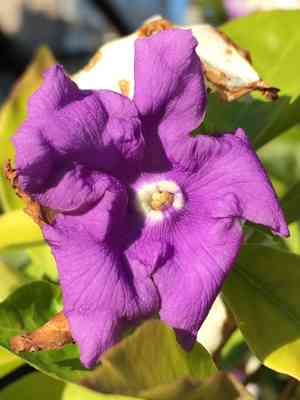
Yesterday-today-and-tomorrow, with its lovely color-shifting flowers, thrives best when exposed to at least six hours of direct sunlight daily. While it tolerates some shade, you'll notice fewer blooms compared to those grown in full sun. If your garden has uneven light, try to place this plant where it gets morning sun, as it's gentler than midday rays.
Sunlight's Influence on Flowering
Sunlight is vital for the blooming cycle of Yesterday-today-and-tomorrow. Consistent full sun exposure not only promotes more flowers but also ensures vivid color changes from purple to lavender to white. If kept in shade, the plant might not reach its full potential, leading to fewer and duller blossoms.
Seasonal Light Requirement Variations
Throughout the year, the light needs for Yesterday-today-and-tomorrow can vary slightly. In winter, with shorter days and weaker sun, you can move the plant to a brighter spot for maximum exposure. During summer, especially in very hot climates, providing some afternoon shade can help shield the plant from excessive heat.
Indicators of Excessive Sunlight for Yesterday-today-and-tomorrow
Leaf Scorch and Discoloration
A primary sign that your Yesterday-today-and-tomorrow is getting too much sun is leaf burn. This appears as scorched brown edges or spots on the foliage. If you observe this, consider relocating your plant to an area with afternoon shade or offering protection during peak sun hours.
Wilting and Drooping Foliage
Another symptom of too much sunlight is wilting or drooping leaves. Despite adequate watering, intense heat can cause the plant to lose moisture faster than it can absorb. In this situation, it's crucial to either increase watering frequency or reduce the plant's exposure to afternoon sun.
Impaired Growth
Extended exposure to excessive direct sunlight can also lead to stunted development. The plant may become stressed and unable to produce new growth effectively. If you notice your plant isn't flourishing despite all other care being correct, re-evaluate its sun exposure.
Impacts of Insufficient Sunlight on Yesterday-today-and-tomorrow
Poor Flowering
Inadequate sunlight can significantly hinder the blooming of Yesterday-today-and-tomorrow. The flowers require ample light to fully develop and display their characteristic vibrant color shifts. Plants placed in overly shaded areas might produce sparse or no blooms.
Yellowing of Leaves
A lack of sunlight can cause the leaves to turn yellow, as the plant struggles to perform photosynthesis efficiently. This yellowing can serve as an early warning, prompting you to move the plant to a sunnier location.
Elongated Growth
When deprived of sufficient sunlight, Yesterday-today-and-tomorrow may exhibit leggy growth, with stems stretching towards the light source. This can result in a less attractive plant and weaker structural integrity. Ensuring the plant receives enough light prevents this elongated, spindly development.
Optimal Practices for Yesterday-today-and-tomorrow Sunlight
Ideal Planting Spot
For best growth, plant Yesterday-today-and-tomorrow in a spot that receives full morning sun and partial afternoon shade. This arrangement allows for maximum light absorption while shielding the plant from harsher midday rays. Ensuring well-drained soil and good air circulation will further enhance its growth.
Adapting to Seasonal Changes
As seasons shift, so should your plant care routines. Move your plant to brighter spots during fall and winter when days are shorter. Conversely, in summer, watch for leaf burn and be ready to provide some shade or move it to a less exposed location during the day's peak heat.
Indoor Grow Light Usage
If you're cultivating Yesterday-today-and-tomorrow indoors or in a region with limited natural light, supplementing with grow lights can be an excellent solution. Positioning these lights approximately 30-45 cm (12-18 inches) from the plant can provide the extra light needed for healthy growth and vibrant flowering.



