How Much Sunlight Do Bolivian begonia Need?
1
Bolivian begonia flourishes in filtered light conditions.
2
Intense sun exposure can lead to scorched leaves and wilting in Bolivian begonia.
3
Ensuring proper illumination is vital for the plant's vivid red and orange flowers.
Grasping Illumination Needs for Bolivian Begonia
Why Light is Vital for Bolivian Begonia
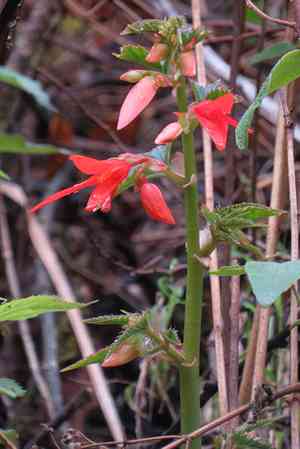
Light is crucial for the well-being and vigor of Bolivian begonia. This lovely flowering plant, recognized for its cascading blossoms in vivid red and orange, depends on sunlight to generate energy, maintain health, and flower abundantly. Without sufficient light, the plant's overall health can decline, leading to fewer flowers and weak development.
Photosynthesis and Development: Light's Function
Photosynthesis is the mechanism by which Bolivian begonia transforms sunlight into energy. This energy is essential for growth, maturation, and blooming. Light serves as fuel for the plant's metabolic processes, and without enough light, the plant will struggle to develop correctly. Ensuring the right amount of light promotes optimal photosynthesis, resulting in robust growth and vibrant flowers.
Ideal Light Conditions for Bolivian Begonia
What Partial Shade Means and Why It's Best
Partial shade signifies that the plant receives sunlight for only a portion of the day, typically around 3-6 hours. This environment is perfect for Bolivian begonia as it allows the plant to acquire enough light for photosynthesis without exposure to damaging, intense midday sun. Filtered sunlight, such as beneath a tree canopy, offers the perfect conditions for this plant.
Avoiding Direct Sun: Consequences of Neglect
Exposing Bolivian begonia to direct sunlight for prolonged periods can cause severe harm. The intense rays can lead to leaf scorching, where the foliage becomes burned and turns brown. Additionally, too much direct sunlight can cause the plant to wilt and suffer from heat stress. Therefore, it is vital to place the plant where it can enjoy filtered sunlight or morning light with afternoon shade.
Indicators of Improper Light Exposure for Bolivian Begonia
Signs of Excessive Light: Leaf Scorch and Drooping
Too much sunlight can manifest as leaf burn, where the leaves develop brown, brittle edges. The plant may also appear droopy despite adequate watering. If you observe these indicators, it's a clear sign that your Bolivian begonia needs to be relocated to a shadier spot or shielded from intense sunlight.
Recognizing Insufficient Light: Stretched Growth and Pale Foliage
Conversely, inadequate sunlight can cause the plant to grow tall and thin, a condition known as 'leggy' growth. The leaves may also become pale green due to insufficient energy production. To correct this, gradually increase the plant's light exposure until it begins to show signs of healthy, compact growth and vibrant foliage.
Adjusting Light for Indoor and Outdoor Bolivian Begonia
Indoor Care: Placement Near Windows and Using Grow Lamps
For Bolivian begonia cultivated indoors, position the plant near a window that receives bright, indirect light. North-facing windows are generally ideal, but you can also use sheer curtains to diffuse the light coming from east or west-facing windows. If natural light is insufficient, consider employing grow lights to provide the necessary light spectrum for the plant to flourish.
Outdoor Care: Selecting the Appropriate Planting Location
When grown outdoors, choosing the correct planting spot is crucial. Select an area where the plant can receive morning sunlight and be shaded during the hottest part of the day. Beneath the canopy of larger trees or structures that provide dappled light are excellent locations. This will help prevent the harsh midday sun from scorching the leaves.
Seasonal Light Variations and Bolivian Begonia
Modifying Light Exposure Across Seasons
Seasonal shifts can impact the quantity and intensity of sunlight. During summer, when sunlight is most intense, ensure your Bolivian begonia is well-protected from the midday sun. In winter, when sunlight is weaker, you might need to move your plant to a brighter location or increase artificial lighting to compensate for the reduced natural light.
Safeguarding Bolivian Begonia During Extreme Weather
Extreme weather conditions, such as very hot summer days or cold winter snaps, demand extra attention. During heatwaves, ensure your Bolivian begonia is sufficiently watered and shaded. In colder months, bring potted plants indoors or cover outdoor ones with protective materials to shield them from frost and cold winds.



