How Much Sunlight Do Coast banksia Need?
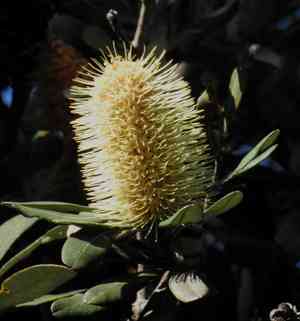
1
Coast banksia flourishes optimally with a minimum of 6 hours of direct sun each day.
2
Sufficient light prevents foliage from losing its color and promotes robust development.
3
Selecting an appropriate planting site can optimize the amount of sun your Coast banksia receives.
Optimal Light Conditions for Coast banksia
Full Sun Requirements
The Coast banksia flourishes in bright sun, ideally needing at least six hours of direct sunlight daily. This ample light ensures the plant's vigorous development and vibrant blossoms. In its native environment, the Coast banksia is accustomed to receiving abundant sunlight, which powers its photosynthesis and overall vitality. For gardeners in areas with extended summer days, providing the Coast banksia with plenty of sun is crucial for its health.
Partial Shade Adaptability
While the Coast banksia prefers full sun, it can endure partial shade, particularly during the day's hottest periods. In locations where intense heat might stress the plant, offering partial shade can shield it from potential scorching. However, consistent exposure to partial shade should be minimized as it could hinder the plant's growth and impact its flowering capacity. If you are in a region with extreme summer temperatures, you might consider selective placement or using protective shade cloth.
Seasonal Light Fluctuations
Seasonal shifts can alter the amount of sunlight your Coast banksia receives. During winter months, there's typically less daylight, which can affect the plant's growth rate. To counteract this, consider placing your plant in a spot where it gets the maximum possible light throughout the year. In summer, ensuring the plant isn't excessively shaded by nearby trees or structures will help maintain optimal light exposure.
Impacts of Insufficient Light on Coast banksia
Indicators of Low Light
Inadequate sunlight can lead to several noticeable signs in your Coast banksia. These often include leggy or elongated stems, as the plant stretches toward the light source. The foliage may also appear sparse and less dense compared to a well-lit plant. Observing these symptoms can help you adjust your plant's light exposure before more serious problems arise.
Growth Inhibition
When deprived of sufficient sunlight, the growth of Coast banksia can become notably stunted. The plant's metabolic processes slow down, resulting in less robust growth and fewer flowers. This stagnation can diminish the plant's overall aesthetic appeal, making it essential to ensure it receives enough sunlight to thrive.
Leaf Discoloration Issues
A common indicator of insufficient sunlight is leaf discoloration. The leaves of the Coast banksia may turn yellow or exhibit a pale green tint, signifying that the plant is not photosynthesizing correctly. This lack of chlorophyll can weaken the plant over time, making it more vulnerable to diseases and pests. Ensuring your plant gets ample sunlight can prevent such leaf discoloration and maintain its health.
Strategies to Maximize Sunlight for Coast banksia
Optimal Planting Site Selection
Choosing the correct location for planting your Coast banksia is vital for maximizing its sunlight exposure. Select a spot that receives full sunlight for most of the day, avoiding areas shaded by large trees or buildings. Ideally, the location should face south to get the most consistent sunlight throughout the day. Assessing potential planting sites at various times of the day can help you make an informed decision.
Pruning for Enhanced Light
Regular pruning can significantly improve light penetration to the inner parts of the Coast banksia. By trimming away any overcrowded or dead branches, you allow more sunlight to reach the plant's foliage, fostering healthier growth. Aim to prune during late winter or early spring before the growing season begins. This practice not only boosts sunlight exposure but also enhances air circulation, further benefiting the plant.
Utilizing Reflective Mulch
Reflective mulch can be an effective way to increase sunlight exposure for your Coast banksia. These mulches bounce additional light onto the plant, improving its photosynthetic capacity. Materials like white plastic or light-colored gravel can be used around the plant's base to reflect sunlight upwards and ensure more even light distribution. This method is particularly useful in gardens where natural light might be partially obstructed.
Common Sunlight-Related Issues with Coast banksia
Leaf Scorch
Despite its need for full sunlight, the Coast banksia can sometimes suffer from leaf scorch, especially during intense heatwaves. Signs of scorch include brown or burnt leaf edges. To prevent this, consider providing temporary shade during peak sunlight hours or watering adequately to keep the plant hydrated and resilient.
Managing Excessive Exposure
Managing overexposure to sunlight involves monitoring the plant for stress indicators such as wilting or scorched leaves. If overexposure is detected, moving the plant to a slightly more shaded area or using a shade cloth can help. Ensuring proper hydration and mulching can also lessen the effects of too much sun.
Addressing Shaded Spots
Addressing shaded areas in your garden is important for the health of your Coast banksia. If your plant is in a spot that becomes too shaded due to seasonal changes or growing neighboring plants, consider relocating it to a sunnier position. Alternatively, regular pruning of surrounding vegetation can help maintain consistent sunlight exposure.



