How Much Sunlight Do Foxtail fern Need?
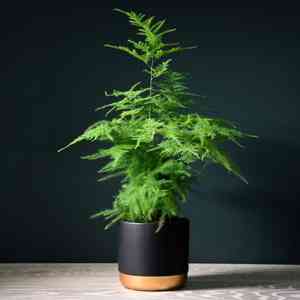
1
Foxtail ferns thrive optimally with approximately 3-6 hours of indirect sunlight each day.
2
These plants are adaptable to various light exposures, from direct sun to complete shade.
3
Positioning Foxtail ferns close to an east or north-facing window typically offers perfect illumination.
Grasping the Light Requirements of Foxtail Fern
Why Light is Essential for Foxtail Fern
Light is a critical element for the development and vitality of any plant, and the Foxtail fern is no exception. This graceful plant, recognized for its delicate, vivid green fronds, relies heavily on light for photosynthesisâthe process through which it transforms light energy into chemical energy to fuel its growth. Without adequate light, a Foxtail fern may struggle to flourish, leading to slower development and less vibrant foliage.
How Much Light is Optimal for Foxtail Fern?
The Foxtail fern thrives best in partial light, meaning it should receive approximately 3-6 hours of illumination daily. While it can endure both full sun and complete shade, these conditions are not ideal. In full sun, the plant may suffer scorching, and in full shade, it might not acquire sufficient energy to support robust growth.
Ideal Light Conditions for Foxtail Fern
Direct vs. Indirect Light: Which is Better?
Regarding the type of light that suits a Foxtail fern best, indirect light is the superior choice. Direct sunlight, particularly during the peak hours of the day, can be too intense and may cause the leaves to burn. Indirect light, conversely, provides a gentle yet ample amount of illumination to maintain the plant's health and vibrancy.
Optimal Placement for Maximum Light Exposure
Selecting the correct location for your Foxtail fern is vital for its well-being. Ideally, position your fern near an east or north-facing window where it can receive the soft morning sun and avoid the harsh afternoon rays. If you prefer keeping it outdoors, a shaded patio or under a tree canopy can offer the perfect balance of light and shade.
Indicators of Improper Light Exposure
Symptoms of Excessive Light
If your Foxtail fern is getting too much light, you might observe several signs indicating sunburn or stress. These include brown tips on the leaves, bleached or yellowing foliage, and a generally droopy appearance. It's crucial to act swiftly if you notice these symptoms by relocating the plant to a more shaded spot.
Signs of Insufficient Light
Conversely, inadequate light can also harm your Foxtail fern. Common indicators include leggy or elongated stems, pale or yellowing leaves, and very slow growth. Ensuring your plant receives enough light by moving it to a brighter location can help alleviate these issues.
Strategies to Adjust Light Exposure
Methods to Decrease Light
If you need to reduce the amount of light your Foxtail fern receives, consider options such as moving it to a shadier area or providing artificial shade. Using sheer curtains can diffuse direct sunlight if the plant is situated near a south-facing window. Mulching around the base can also help keep the roots cool during hot summer days.
Ways to Increase Light
To increase light exposure, you can move your Foxtail fern to a brighter location or utilize artificial lighting. Placing the plant closer to an east or north-facing window will typically resolve light deficiency problems. If natural light is limited, employing grow lights can supplement the necessary rays to ensure the plant gets its required 3-6 hours of light.



