How Much Sunlight Do Marguerite daisy Need?
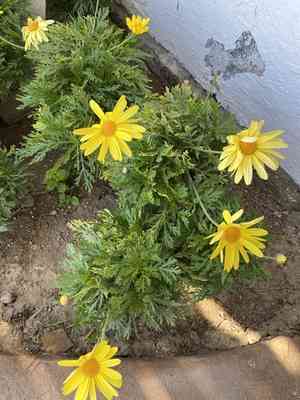
1
Marguerite daisies flourish with a minimum of six hours of direct sun each day.
2
Insufficient light may result in elongated stems and reduced flowering.
3
Employing a shade cover can shield Marguerite daisies from intense sun in warmer regions.
The Significance of Light for Marguerite Daisy
Photosynthesis and Development
Light is vital for photosynthesis, enabling the Marguerite daisy to transform light, water, and carbon dioxide into the energy required for its development. Without sufficient light, the plant will struggle to generate the necessary energy to sustain itself, leading to slower growth and diminished overall vigor.
Blossoming and Flowers
Marguerite daisy is renowned for its beautiful blossoms, which are greatly influenced by the amount of light the plant receives. With ample light, the daisy will produce vibrant, numerous flowers. Insufficient light, however, can result in fewer, less colorful blooms.
Optimal Light Conditions for Marguerite Daisy
Ideal Daily Light Duration
Marguerite daisy plants thrive in full sun, meaning they require over 6 hours of direct sunlight daily. Positioning them where they can receive extended sunlight, especially during the morning and early afternoon, will ensure their prosperity.
Seasonal Light Fluctuations
Seasonal variations can impact the amount of light your Marguerite daisy receives. During spring and summer, longer daylight hours support robust development. However, in winter months, when daylight is limited, consider moving the plant to a brighter spot or supplementing with grow lights.
Impacts of Insufficient and Excessive Light
Indicators of Too Little Light
If the Marguerite daisy doesn't receive enough light, it will exhibit several signs such as elongated, spindly stems, pale or yellowing foliage, and a noticeable decrease in blooming. These symptoms indicate the plant is reaching for light, a common response to low light conditions.
Indicators of Too Much Light
Conversely, too much light, particularly in very hot climates, can cause leaf burn, wilting, and general heat stress. In such instances, the leaves may develop brown edges or spots, signaling sunburn.
Strategies for Managing Light Exposure for Marguerite Daisy
Employing Shading Methods
In extremely sunny areas, consider using a shade cloth, especially during the peak afternoon sun. This can help shield the plant from excessive heat and prevent leaf scorch while still ensuring it receives ample light.
Adjusting Plant Placement
If your Marguerite daisy isn't thriving as expected, try relocating it to different spots around your garden or balcony. Areas that receive morning sun but are shaded in the afternoon can be ideal in warmer climates.
FAQ on Light Requirements for Marguerite Daisy
Do Marguerite Daisy Plants Require Full Sun?
Yes, Marguerite daisy plants perform best with full sun exposure. This means they need to be situated where they can receive more than 6 hours of direct sunlight daily to ensure optimal growth and flowering.
Can Marguerite Daisy Grow in Partial Shade?
While Marguerite daisy can endure partial shade, it may not bloom as profusely. In partially shaded conditions, the plant should still receive at least 3 to 4 hours of direct sunlight to maintain its health and vigor.



