How Much Sunlight Do Wild angelica Need?
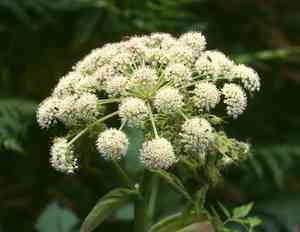
1
Wild angelica flourishes optimally with a minimum of 6 hours of daily sun exposure.
2
Excessive sun can cause foliage scorching, whereas insufficient light may impede development.
3
Supplemental grow lights can ensure sufficient indoor illumination for Wild angelica.
What Are the Light Requirements for Wild angelica?
Full Sun vs. Partial Shade
For Wild angelica, understanding its light needs is vital for healthy growth. This plant thrives in full sun, requiring over 6 hours of direct sunlight daily. However, it can adapt to partial shade, needing 3 to 6 hours of sun, ideally in the morning. Too much shade can lead to stretched growth and fewer flowers.
Comparing Natural Habitats
Wild angelica originates from diverse environments, from damp forests to riverbanks. In its natural setting, it often experiences a blend of full sun and filtered light. This adaptability to various light conditions informs how to best care for it. Replicating its native environmentâwhere it gets morning sun and some afternoon shadeâcan result in a flourishing plant.
How to Identify Ideal Sunlight for Wild angelica
Morning Sunlight
Morning sunlight is typically gentler and less intense, making it perfect for Wild angelica. Positioning your plant to receive these soft morning rays helps it begin the day with the energy needed for photosynthesis without the stress of strong heat.
Afternoon Shade
Afternoon sun can be very harsh, especially during summer. Wild angelica benefits from some protection during these peak hours. Providing partial shade by placing it near taller plants or using a shade cloth can prevent leaf scorch and overheating.
Signs of Too Much Sun
Excessive sun exposure can cause sunburned leaves, appearing scorched or bleached. If your Wild angelica shows these signs, consider providing more shade during the hottest part of the day. Moving potted plants or using garden structures for shade can reduce damage.
Signs of Too Little Sun
Insufficient sunlight can cause Wild angelica to stretch or 'reach' for light, leading to leggy growth and reduced flowering. If your plant looks spindly or isn't blooming well, consider increasing its sun exposure. Adjusting garden layouts or moving containers to brighter areas could improve its condition.
Providing the Best Sunlight Indoors for Wild angelica
Choosing the Right Window
For indoor cultivation, place your Wild angelica near windows that receive ample sunlight, ideally east or south-facing. These spots typically offer sufficient light throughout the day, balancing morning rays with decreasing intensity in the afternoon.
Utilizing Grow Lights
Where natural light is insufficient, grow lights offer an excellent solution. Full-spectrum grow lights mimic natural sunlight and can provide the necessary light intensity for Wild angelica. Position them about 30 cm (12 inches) above the plant and keep them on for approximately 12-14 hours daily to ensure consistent growth.
Tips for Outdoor Planting of Wild angelica
Selecting the Right Location
When planting Wild angelica outdoors, choosing the correct spot is crucial. Opt for areas that receive at least 6 hours of sunlight but also have access to partial shade, allowing for a balanced light exposure throughout the day. Consider locations near woodland edges or garden borders where shade occurs naturally.
Seasonal Sunlight Considerations
Sunlight intensity varies significantly with the seasons. In spring and autumn, Wild angelica can comfortably handle full sun for most of the day. During peak summer, consider extra shade to protect it from harsh midday sun. Adjusting plant positions or using shade netting can help mitigate extreme summer heat while still providing enough light.
Common Sunlight Challenges and Solutions for Wild angelica
Dealing with Excessive Heat
Summer heat can be intense. When temperatures rise, even sun-loving plants like Wild angelica can suffer. Using mulch around the plant's base keeps roots cool and retains soil moisture. Consider watering the plant early in the morning to keep it hydrated through the hottest parts of the day.
Sunburned Leaves
Sunburned leaves are a frequent problem when Wild angelica gets too much direct sunlight. Removing damaged leaves can help the plant recover faster. Moving the plant to a spot with mixed sun and shade, or using protective covers, can prevent future sun damage.
Maintaining Optimal Growth Conditions
Ensuring Wild angelica thrives means paying attention to its overall growing environment. Beyond sunlight, healthy soil, regular watering, and proper spacing to avoid competition for light and nutrients are essential. Regularly checking your plant for stress signs and adjusting its light exposure can help maintain its vigor.



