How Much Sunlight Do Aloe vera Need?
1
Aloe vera flourishes with a daily exposure of 3-6 hours of sunshine.
2
Even though Aloe vera can withstand direct sunlight, a slow introduction is vital to avoid leaf scorch.
3
Aloe vera is capable of adjusting to dimmer conditions, but might exhibit indicators of requiring additional light.
How Much Sunlight Does Aloe vera Need?
Ideal Light Conditions
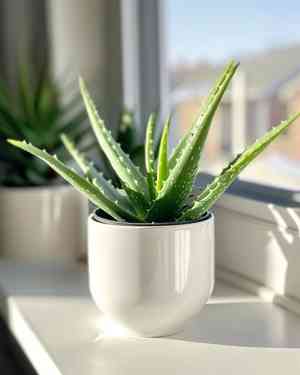
For a thriving and robust Aloe vera, aim to provide roughly 3 to 6 hours of daily sun exposure. This level of partial sunlight is optimal for efficient photosynthesis. Bright, indirect illumination is generally perfect, though some direct sunlight can also be advantageous. For indoor Aloes, positioning near a south or west-facing window offers an excellent light equilibrium.
Natural vs. Artificial Light Sources
Natural solar rays are the superior light source for Aloe vera, mirroring its native arid habitat. Nevertheless, if natural light is scarce, particularly in winter, supplemental artificial grow lights can fulfill your plant's requirements. Full-spectrum fluorescent or LED lights can keep your Aloe content. Ensure artificial lights are positioned about 30-45 cm (12-18 inches) from the plant to prevent overheating.
Seasonal Sunlight Variations
The illumination available to your Aloe vera can fluctuate significantly with the changing seasons. In summer, with longer and brighter days, your plant may receive ample light even indoors. Conversely, during winter, days are shorter and sunlight less intense. It's crucial to monitor its light exposure and adjust its placement or add artificial lighting as needed to maintain peak health.
Signs Your Aloe vera Needs More Sunlight
Pale or Leggy Growth
If your Aloe vera appears discolored or begins to grow tall and stretched, it's a clear indication of insufficient light. Aloes deprived of adequate sunlight often extend towards light sources, resulting in elongated growth. This is not merely a cosmetic issue; it signals the plant's struggle to photosynthesize effectively.
Slower Growth Rate
A noticeable reduction in your Aloe vera's development speed can suggest inadequate light. While Aloes are not rapid growers, a sudden deceleration might be your plant communicating its need for more sunshine. Consistent, regular light is vital for stem and leaf formation.
Soft or Weak Leaves
Flaccid, soft, or drooping leaves frequently signal that your Aloe vera is not receiving enough light. Healthy Aloe foliage should be firm and erect. If your plant's leaves cannot support themselves, it's time to re-evaluate its light conditions. Try relocating it to a brighter spot and observe for improvement.
Preventing Sunburn in Aloe vera
Recognizing Sunburn Symptoms
Despite its love for sunlight, Aloe vera can suffer from overexposure. Watch for signs of sunburn, such as discolored brown or white patches on the leaves. These scorched areas indicate that the foliage has been exposed to intense, direct sun for too long. To avert further harm, move the plant to an area with filtered light.
Proper Acclimation to Direct Sunlight
When moving your Aloe vera from a shaded position to more direct sunlight, do so gradually. Begin by exposing it to direct sun for a few hours daily, then slowly increase the duration over one to two weeks. This acclimatization period helps the plant build tolerance and minimize the risk of sunburn.
Filtering Intense Light
If you reside in a region with extremely intense sunlight, consider providing some form of light attenuation for your Aloe vera. Sheer curtains, shade cloths, or moving the plant to a spot with indirect light during peak sun hours can be beneficial. This approach balances sufficient light intake with protection from harmful UV rays.
Balancing Indoor and Outdoor Light for Aloe vera
Ideal Indoor Lighting Setups
To achieve optimal indoor illumination, position your Aloe vera in a well-lit area receiving indirect light for most of the day. South or west-facing windows are the prime choices. If natural light is lacking, an artificial grow light placed approximately 12-18 inches (30-45 cm) above the plant can aid in maintaining its vitality.
Maximizing Outdoor Sunlight Exposure
When cultivating your Aloe vera outdoors, select a spot that offers 3-6 hours of morning sunlight and shade during the warmest parts of the afternoon. This method leverages natural light while safeguarding the plant from excessive heat. A patio or balcony receiving dappled sunlight is an excellent spot.
Transitioning Between Indoor and Outdoor Locations
Relocating your Aloe vera between indoor and outdoor environments requires careful attention. Introduce the plant to its new setting gradually, slowly increasing its exposure to the new conditions over a week. This measured transition lessens shock and helps the plant adjust smoothly to changes in light and temperature.



