How Much Sunlight Do Giant taro Need?
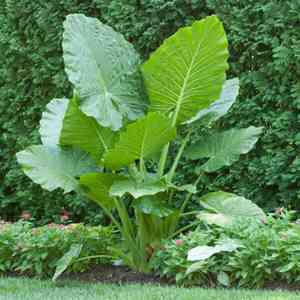
1
Giant taro flourishes in moderate sunlightâtarget approximately 3-6 hours of sun each day.
2
Excessive direct sun exposure may cause leaf burn in Giant taro.
3
While this plant can endure complete shade, it develops optimally with some indirect light.
Optimal Light Requirements for Giant Taro
Ideal Illumination Levels
The Giant taro thrives in partial sun, meaning it needs roughly 3-6 hours of daylight daily. It's crucial to understand that this plant, originating from tropical regions, enjoys a balance of brightness and shade. While it can endure full shade, the Giant taro will achieve its most luxuriant and vivid development when it gets a moderate amount of light. Ensuring the light is neither too strong nor too weak will keep your plant flourishing and healthy.
Direct vs. Diffused Sunlight
Direct sun exposure can be somewhat harsh for the Giant taro. Subjecting its large, delicate leaves to direct rays for extended periods can result in scorching and sunburn. Instead, the plant prospers in bright, indirect illumination. Consider placing it near a window where it can absorb light without enduring the full force of the sun's intensity. Filtered light through sheer drapes can also create the perfect atmosphere for your Giant taro.
Understanding the Light Needs of Giant Taro
Indoor Placement for Your Giant Taro
Strategic positioning is vital when keeping your Giant taro indoors. Aim for a spot near an east or west-facing window where the plant can receive the softer rays of the morning or late afternoon sun. Avoid placing it too close to south-facing windows unless the light is filtered to prevent direct sun exposure. A corner that gathers bright, indirect light can be perfect, as it will imitate the dappled sunlight the plant would naturally encounter in a tropical forest understory.
Outdoor Light Considerations
When cultivating Giant taro outdoors, thoughtful placement can protect it from the potential hazards of excessive exposure. Position the plant in an area that receives morning sun and afternoon shade if feasible. Beneath the canopy of taller plants or trees can work wonderfully, as it provides the plant sufficient light filtered through the overhead leaves, creating a gentle, naturally diffused sunlight condition. This setup helps avoid the midday sun, which can be excessively harsh and damaging.
Indicators Your Giant Taro Needs More or Less Light
Signs of Excessive Sunlight
If your Giant taro is receiving too much sunlight, you'll likely observe leaf scorching or browning edges. These symptoms indicate that the plant is overwhelmed by the intensity of direct sunlight, leading to tissue damage on its foliage. Also, look for pale or bleached patches on the leaves, which can signify sunburn. If you notice these signs, consider moving your plant to a location with less direct exposure and possibly using sheer curtains to soften the incoming light.
Signs of Insufficient Sunlight
Conversely, if your Giant taro is getting inadequate light, it might display symptoms such as stunted growth, drooping leaves, or a lack of vibrancy in its foliage. The plant may stretch or become leggy, indicating it's attempting to reach for more light. Yellowing leaves can also be a symptom of poor lighting. To correct this, try moving your plant closer to a light source or supplement the natural light with artificial grow lights to ensure it receives the necessary energy for vigorous growth.
Modifying Light Conditions for Giant Taro
Utilizing Curtains or Blinds
For indoor Giant taro plants, regulating light levels with curtains or blinds can be a simple and effective solution. Sheer curtains can diffuse incoming sunlight, ensuring that your plant benefits from bright light without the harshness of direct exposure. This method provides a gentle light environment, which is especially advantageous in south or west-facing windows where the afternoon sun can be intense.
Artificial Lighting Alternatives
When natural light is insufficient, artificial illumination can be an excellent supplementary option for your Giant taro. Consider employing LED grow lights, which can replicate the full spectrum of sunlight. Position the grow lights approximately 30-45 cm (12-18 inches) above the plant to provide consistent and adequate lighting. Ensure to use the lights for about 12-16 hours daily to mimic the natural daylight cycle, promoting healthy growth even in rooms with limited natural light.



