How Much Sunlight Do False aloe Need?
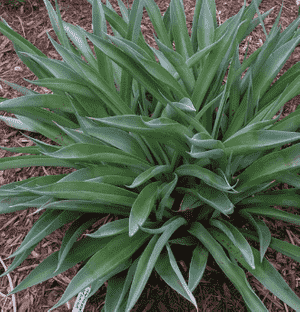
1
False aloe flourishes with over six hours of direct sun daily.
2
It endures some shade, though growth might be less vigorous.
3
Excessive sun exposure can cause scorched leaves and diminished color.
Ideal Light Conditions for False aloe
Full Sun Exposure
Ample direct sunlight is vital for the vigorous development of False aloe. It should ideally receive at least six hours of direct sun daily. Placing the plant in a south-facing window (indoors) or a bright garden spot is best. Direct sun helps maintain its strong growth and vivid leaf coloration.
Partial Sun
While False aloe thrives in full sun, it can adapt to conditions with partial sunlight. This means the plant can be situated where it gets direct sun for roughly three to six hours daily, with shade for the rest of the time. Partial sun can still support its health, though growth might not be as robust as in full sun.
Complete Shade Considerations
Placing False aloe in complete shade is not advised. Full shade implies less than three hours of direct sunlight per day, with the remaining time in shadow. Under such conditions, the plant will likely exhibit stunted growth, and its foliage may become pale, indicating insufficient light.
Optimal Locations for False aloe
Indoor Placement Advice
When cultivating False aloe indoors, it's crucial to position it near a south-facing window to ensure abundant sunlight. If only east or west-facing windows are available, supplemental lighting might be necessary. Employing grow lights to mimic natural sun can guarantee the plant's light requirements are met, especially during shorter winter days.
Outdoor Placement Advice
Outdoors, False aloe should be situated in a sunny area of the garden. If your garden has spots with partial shade, it's wise to monitor the plant to confirm it receives adequate light. Morning sun followed by afternoon shade can also be beneficial, particularly in hotter climates, to shield the plant from intense midday sun.
Indicators of Excessive Sun for False aloe
Leaf Scorch
A primary sign that False aloe is receiving too much sun is leaf scorch. This manifests as brown, brittle edges on the leaves. If observed, consider relocating the plant to a less exposed area or providing afternoon shade to prevent further harm.
Color Loss
Another symptom of excessive sunlight is the fading of leaf color. If False aloe leaves appear bleached or less vibrant than usual, it might be getting more light than it can tolerate. Adjusting its position to a slightly shadier spot can help restore its natural hue.
Indicators of Insufficient Sun for False aloe
Reduced Growth Rate
If False aloe isn't getting enough sunlight, one of the initial signs you'll notice is a slower growth rate. The plant may not develop as quickly or strongly as it should, signaling a need for increased light exposure.
Pale Foliage
Pale leaves are a clear indicator that False aloe lacks sufficient sunlight. Without adequate light, the plant's texture and color can diminish, leading to lighter, less healthy-looking foliage. Moving it to a brighter location typically resolves this issue.
Adjusting Light for Different Seasons
Summer Light Management
During summer, the sun's intensity increases, which can be challenging for False aloe. To avoid leaf burn, consider offering some afternoon shade if the plant is in a particularly sunny spot. It's also important to ensure the soil remains sufficiently moist, as higher temperatures can accelerate water evaporation.
Winter Light Management
In winter, days are shorter and sunlight is less intense. Placing False aloe in the brightest available spot is crucial during this period. If natural light is inadequate, especially in northern regions, using grow lights can compensate for reduced sunlight and help maintain the plant's health.



