How Much Sunlight Do Chinese horse chestnut Need?
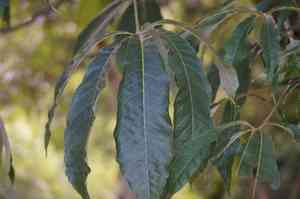
1
For optimal growth, the Chinese horse chestnut requires a minimum of six hours of direct sun each day.
2
If a Chinese horse chestnut isn't getting enough light, you'll often notice its leaves changing color and its growth becoming stunted.
3
Careful site selection and seasonal adjustments to its environment can help ensure the Chinese horse chestnut receives the best possible sunlight.
What Light Conditions Does a Chinese Horse Chestnut Require?
Ideal Sun Exposure
The Chinese horse chestnut thrives best when it receives full daylight for the majority of the day. This implies it performs optimally with at least 6 to 8 hours of direct sunshine. In the United States, positioning it where it can absorb morning light is perfect, as this aids in drying morning dew from its leaves, thereby lessening the risk of fungal infections.
Advantages of Abundant Sunlight
Ample sunlight offers numerous benefits. It stimulates vigorous development, enhances blooming, and ensures robust foliage. For the Chinese horse chestnut, consistent full sun helps maintain its vibrant green leaves and promotes healthy formation of its distinct glossy, brown nuts in autumn. Furthermore, sufficient solar exposure strengthens the tree against pests and illnesses.
How to Determine If Your Chinese Horse Chestnut Is Receiving Sufficient Sunlight
Leaf Pigmentation and Vitality
Leaf coloration serves as a reliable indicator of whether your Chinese horse chestnut is getting appropriate sun exposure. Healthy leaves should display a vivid green shade. If the leaves appear yellow or pale, this could signal insufficient light. Another clear sign is leaf abscission, often indicating the tree is under stress from inadequate illumination.
Growth Pattern and Dimensions
Monitoring the growth habit and overall size of your Chinese horse chestnut can also provide clues regarding its light requirements. A tree grown in optimal light will exhibit steady, uniform growth and achieve a substantial height. Conversely, a tree struggling with insufficient light might show erratic growth patterns, becoming elongated or unusually slender. This stunted development is a clear sign it needs more solar exposure.
Recommendations for Ensuring Adequate Sunlight for Chinese Horse Chestnut
Selecting the Appropriate Site
Choosing the ideal location for planting your Chinese horse chestnut is essential. Aim for an unshaded area with minimal obstruction from nearby structures or larger trees. This guarantees the tree can absorb as much sunlight as possible throughout the day. A garden spot facing south or west is usually perfect for maximizing sun reception.
Seasonal Light Adjustments
As seasons change, so does the intensity and duration of solar radiation. During summer months, ensure your Chinese horse chestnut is protected from harsh afternoon sun by repositioning it or providing filtered shade. In winter, when daylight hours are shorter, make sure the tree still gets maximum available sunlight by pruning any nearby impediments and moving it as necessary.
Common Issues Arising from Improper Sunlight for Chinese Horse Chestnut
Symptoms of Light Deprivation
A Chinese horse chestnut lacking adequate sunlight may display several signs. These include pale, yellowish leaves, a reduced growth rate, and an overall lack of vitality. Furthermore, the tree might produce fewer blooms or develop smaller, less lustrous nuts. Recognizing these symptoms early allows for prompt intervention, ensuring the tree's long-term health.
Problems from Excessive Exposure
While sunshine is vital, too much can be harmful. Overexposure to intense, direct sunlight, especially in warmer climates, can result in sunburnt leaves, appearing as scorched edges or brown patches. In extreme cases, prolonged overexposure can stress the tree, making it vulnerable to pests and diseases. Balancing sun exposure by offering occasional shading during peak summer can alleviate such issues.



