How Much Sunlight Do Japanese sweet flag Need?
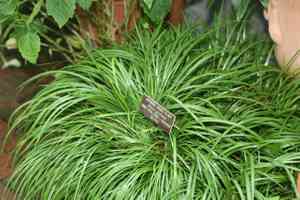
1
Japanese sweet flag flourishes in environments ranging from partial shade to complete sun exposure, offering flexibility for various garden placements.
2
Too much direct sun exposure may lead to leaf scorch on Japanese sweet flag foliage.
3
Sufficient illumination is essential for maintaining the lush green hue and general vitality of the Japanese sweet flag.
Understanding the Sunlight Requirements for Japanese sweet flag
Optimal Sunlight Conditions
The Japanese sweet flag is an adaptable and attractive plant, valued for its grass-like leaves and subtle scent. Regarding sun exposure, this species thrives in partial to full sun. It ideally needs approximately 6 to 8 hours of daylight daily. This supply fuels photosynthesis, leading to robust, vivid growth. However, it can also endure partial shade, making it suitable for diverse garden settings.
How Much Direct Sunlight is Beneficial?
While the Japanese sweet flag can flourish in full sun, it's vital to prevent overexposure, especially during the intense midday hours. Direct sun for about 4 to 6 hours, particularly in the morning or late afternoon, is most favorable. Extended exposure to strong midday light may cause plant stress. Therefore, a balance of direct light and filtered shade will maintain the plant's optimal condition.
Can Japanese sweet flag Tolerate Full Shade?
Although the Japanese sweet flag can manage partial shade, placement in complete shade is not advisable. Prolonged periods without sunlight can result in underwhelming development and less vibrant foliage. The plant might survive in full shade but will lack the lush, vigorous appearance provided by partial to full sun. For best outcomes, choose a location offering a mix of light and shade throughout the day.
Effects of Incorrect Sunlight Exposure on Japanese sweet flag
Symptoms of Sunburn
Excessive exposure to direct sunlight can lead to sunburn on the leaves of the Japanese sweet flag. Symptoms include browning or scorched leaf tips and edges. If these signs appear, it's crucial to relocate the plant to a less intense sunny spot or provide some cover during the hottest parts of the day. Sunburn can weaken the plant, increasing its susceptibility to other problems.
Signs of Inadequate Light
Conversely, insufficient sunlight can also harm the Japanese sweet flag. Look for symptoms such as pale or yellowish leaves, stunted growth, and a weakened structure. These signs indicate the plant isn't receiving enough light for effective photosynthesis. Moving the plant to a brighter position can correct these issues and promote healthier development.
Recovery Tips for Light-Stressed Plants
If your Japanese sweet flag is suffering from light stress, whether from too much or too little sun, steps can be taken for recovery. For sunburned plants, offer temporary shading with a cloth or move the plant to a slightly shadier area. For those with insufficient light, gradually introduce them to more sunlight to prevent shock. Monitor the plant regularly and adjust its location as needed. Additionally, ensure it is adequately watered but not waterlogged during its recovery.
Best Practices for Ensuring Proper Sunlight for Japanese sweet flag
Choosing the Right Spot in Your Garden
When planting your Japanese sweet flag, selecting an appropriate garden location is vital. Seek areas that receive morning sun and some afternoon shade. Positioning it near trees or structures that provide dappled sunlight can be advantageous. This ensures the plant gets sufficient sun without exposure to harsh rays that can cause sunburn.
Seasonal Adjustments
Different seasons can impact the sunlight exposure for your Japanese sweet flag. During summer, you might need to provide extra shade to shield it from intense heat, while in winter, ensuring adequate light is crucial. Adjusting the plant's position or using shading devices accordingly can help maintain its health year-round.
Indoor Care Tips for Japanese sweet flag
If you are cultivating a Japanese sweet flag indoors, place it near a window receiving bright, indirect sunlight. An east-facing window is ideal as it provides morning sun without the harsh afternoon rays. Rotate the plant every few weeks to guarantee uniform light distribution. Moreover, consider utilizing grow lights if natural sunlight is inadequate, especially during shorter winter days.



