Optimal Soil for Growing Muscadine: What You Need to Know
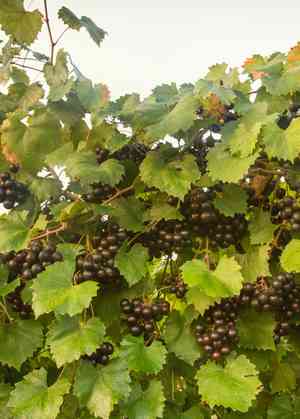
1
Muscadine grapes thrive in soil that is mildly acidic to neutral, with a pH range of 6.5 to 7.5.
2
Routine soil analysis assists in detecting and rectifying nutrient shortages prior to them impacting your Muscadine plants.
3
Appropriate mulching aids in suppressing weeds and preserving soil hydration, which is crucial for robust Muscadine growth.
Optimal Soil Type for Muscadine Cultivation
Preferred Soil Makeup
For Muscadine cultivation, soil composition is vital for strong growth and fruit yield. These vines flourish in well-drained sandy loam, which provides an ideal mix of nutrients and drainage. Such soils prevent waterlogging, which can harm vines by causing root rot. If your soil is heavy clay or too sandy, consider adding organic matter or perlite to enhance its structure and drainage.
Ideal Soil pH Level
To ensure Muscadine thrives, maintaining the correct soil pH is essential. These vines prefer a slightly acidic to neutral pH, ranging from 6.5 to 7.5. You can easily check soil pH with a home kit or by sending a sample to a local agricultural extension. If your soil pH is outside this range, you can adjust it by adding lime to increase pH or sulfur to decrease it.
Organic Material Content
Adding organic material to your soil can greatly benefit your Muscadine vines. Organic matter, like compost or aged manure, improves soil structure, boosts water retention, and supplies vital nutrients. Aim to apply a 5-10 cm (2-4 inch) layer of organic matter and mix it into the top 20-30 cm (8-12 inches) of soil. This not only helps the plants but also promotes a healthy soil environment.
Preparing Soil for Muscadine Planting
Soil Analysis and Evaluation
Before planting Muscadine vines, it's wise to perform a thorough soil test. This test will reveal insights into the soil's pH, nutrient levels, and overall condition. Based on the results, you can make informed decisions on how to amend your soil. Many local agricultural extension services offer soil testing for a small fee, often including recommendations for necessary amendments based on your specific soil.
Adjusting Soil Acidity
Modifying soil acidity is critical for Muscadine growth, especially if the pH is not within the desired range. If your soil is too acidic (pH below 6.5), adding lime can help raise the pH. Conversely, if the soil is too alkaline (pH above 7.5), incorporating sulfur or organic mulch can help lower it. Follow product directions carefully and re-test the soil pH after a few weeks to ensure it's optimal.
Supplying Nutrients and Enhancements
To prepare the soil for Muscadine vines, adding nutrients such as nitrogen, phosphorus, and potassium will support their development. Use a balanced, slow-release fertilizer to prevent nutrient leaching. Additionally, incorporating organic compost ensures a steady nutrient supply. Apply fertilizer according to package instructions and periodically re-test your soil to monitor nutrient levels.
Maintaining Soil for Healthy Muscadine Vines
Consistent Soil Testing
Regular soil testing is crucial for the ongoing health of your Muscadine vines. Annual or biennial soil tests can help identify any nutrient deficiencies or pH imbalances that may arise. Addressing these issues promptly ensures your vines remain healthy and productive. Always follow up soil tests with appropriate amendments to keep your soil in prime condition.
Mulching Strategies
Applying mulch around your Muscadine vines can resolve several soil issues and help maintain ideal growing conditions. Mulch helps retain soil moisture, reduces temperature fluctuations, and suppresses weeds. Organic mulches, such as straw, wood chips, or pine bark, also gradually decompose, enriching the soil. Apply a 5-10 cm (2-4 inches) layer of mulch around the vine bases, keeping it slightly away from the trunks to prevent rot.
Irrigation Practices
Proper irrigation is vital for Muscadine vineyards, especially during dry spells. Drip irrigation systems are particularly effective at delivering water directly to root zones while minimizing evaporation. Aim to keep the soil consistently moist but not waterlogged. Deep watering once a week is generally sufficient, but always adjust practices based on weather and soil moisture levels.
Common Muscadine Soil Issues and Their Solutions
Compact Soil
Compacted soil can negatively impact Muscadine growth by hindering proper root development and reducing water penetration. To alleviate compaction, consider aerating your soil with a garden fork or aerator. Additionally, incorporating organic matter and avoiding heavy machinery on wet soil can help maintain a loose, crumbly soil structure.
Nutrient Deficiencies
Nutrient deficiencies can appear as stunted growth or discolored leaves in Muscadine vines. Regular soil testing can help detect these deficiencies early. Amend the soil with the specific nutrients identified as lacking. Foliar sprays can also provide a quick nutrient boost, especially for trace elements like magnesium or iron.
Excessive Moisture
Overly wet soil can cause numerous problems, including root rot and fungal diseases. To combat excessive moisture, ensure your soil drains well and avoid overwatering. Elevate garden beds if needed, and use organic mulches that help absorb excess moisture. Monitor your irrigation practices regularly to maintain balanced moisture levels for your Muscadine vines.



