Optimal Soil for Growing Western red cedar: What You Need to Know
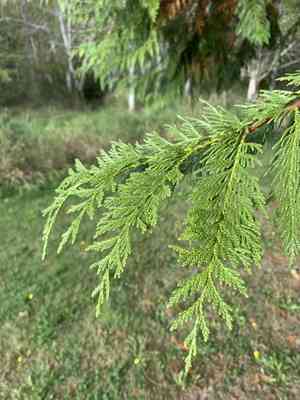
1
Check your soil's pH biannually to confirm it stays within the ideal range for Western red cedar, which is 6.5 to 8.
2
Did you know? Western red cedar thrives with a mulch layer to retain soil moisture and stabilize temperature.
3
Adding aged compost can enhance soil fertility and composition, encouraging robust root growth for Western red cedar.
What is the Ideal Soil Composition for Western red cedar?
Soil Texture: Loamy Preference
For Western red cedar, a loamy soil texture offers the perfect balance of drainage and moisture retention. Loam soil is a blend of sand, silt, and clay, which permits good aeration and root penetration while sustaining necessary moisture levels. If your soil is mostly clay or sandy, consider enriching it with organic matter or other soil conditioners to achieve a loamy consistency.
Soil pH: Neutral to Slightly Acidic Levels
Maintaining the correct soil pH is vital for the health of Western red cedar. The optimal pH range is between 6.5 and 8. A pH within this range ensures that the tree can absorb essential nutrients effectively. You can test your soil using at-home kits or by sending samples to a local agricultural extension service. If adjustments are needed, lime can be used to raise the pH, while sulfur or peat moss can lower it.
Nutrient-Rich Soil: Ensuring Proper Fertility
To thrive, Western red cedar requires nutrient-rich soil. Ensuring your soil has adequate levels of nitrogen, phosphorus, and potassium is essential. Regularly incorporating organic matter such as compost or well-rotted manure can significantly improve soil fertility. Additionally, a balanced, slow-release fertilizer can provide essential nutrients throughout the growing season.
How to Prepare Soil for Planting Western red cedar?
Clearing and Loosening the Soil
Before planting Western red cedar, it's important to clear the area of weeds, rocks, and debris. Once the area is clear, thoroughly loosen the soil to a depth of at least 12 inches (30 centimeters). This helps the treeâs roots to establish quickly and grow deeply.
Incorporating Organic Matter
Incorporating organic matter into the soil significantly enhances its structure and fertility. Materials such as compost, leaf mold, or well-rotted manure not only improve nutrient availability but also aid in water retention and drainage. Aim to mix in about 3 to 4 inches (7.5 to 10 centimeters) of organic matter into the top 12 inches (30 centimeters) of soil.
Using Mulch to Maintain Moisture
Applying a layer of mulch around the base of Western red cedar can help maintain soil moisture, regulate temperature, and reduce weed competition. Organic mulches like wood chips, bark, or straw are ideal. Spread a 2 to 3-inch (5 to 7.5 centimeters) layer of mulch, being careful not to pile it directly against the treeâs trunk to prevent rot.
How to Maintain Optimal Soil Conditions?
Regular Soil Testing
Performing regular soil tests is important to maintain optimal conditions for Western red cedar. These tests help monitor pH levels and nutrient content, allowing you to make necessary adjustments. Aim to test your soil at least twice a yearâonce in the spring and once in the fall.
Adjusting pH Levels
Keeping the soil pH within the ideal range (6.5 to 8) might require periodic adjustments. To raise the pH, you can add lime, while to lower the pH, incorporating sulfur or peat moss can be effective. Always follow recommended application rates and retest the soil after a few months to monitor changes.
Supplementing with Fertilizers
Fertilizing your Western red cedar periodically can help maintain soil fertility. Use a balanced, slow-release fertilizer formulated for evergreens. Follow the manufacturerâs recommendations for application rates and timing, typically applying in early spring and mid-summer.
Efficient Water Management
Proper watering is essential for maintaining healthy soil conditions. Western red cedar prefers consistent moisture but does not tolerate waterlogged soils. Deep watering once a week is usually sufficient, especially during dry spells. It's important to water thoroughly so that it reaches the root zone, approximately 12 inches (30 centimeters) deep.



