Optimal Soil for Growing Pepino: What You Need to Know
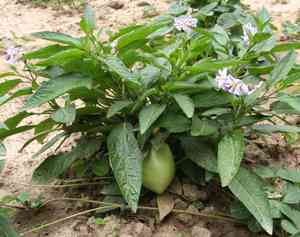
1
Pepino plants flourish optimally in rich, well-draining soil with a pH between 6 and 7.
2
Adding perlite and sand to the soil can greatly enhance air circulation and water runoff for Pepino plants.
3
Consistent application of organic mulch aids in preserving soil hydration, moderating temperature, and enriching nutrient content.
Optimal Soil Makeup for Pepino Plants
Attributes of Loamy Soil
Loamy soil is widely recognized as the benchmark for numerous plant varieties, and Pepino is no different. This soil type features a balanced blend of sand, silt, and clay, which facilitates excellent drainage while retaining vital moisture. Furthermore, loamy soil is rich in nutrients, making it an ideal medium for Pepino development. You can identify loamy soil by its friable texture and dark hue, often indicating a high organic matter content. Providing your Pepino plants with loamy soil will aid in easy root expansion and enhance overall plant vitality.
Significance of Soil pH
The soil's pH level plays a critical role in how well Pepino plants can access nutrients. An optimal pH range of 6 to 7 allows for the most efficient nutrient absorption. You can test your soil's pH using a simple kit available at most garden centers. If your soil's pH falls outside this range, adjustments may be necessary. For instance, if the pH is too high (alkaline), adding sulfur can help reduce it. Conversely, if the pH is too low (acidic), lime can be incorporated to increase it. Adjusting the soil pH ensures your Pepino plants can efficiently take up the nutrients they require.
Nutrient Requirements
Like all vegetation, Pepino needs a variety of nutrients to flourish. Key macronutrients include nitrogen (N), phosphorus (P), and potassium (K). Nitrogen supports foliage growth, phosphorus aids in root and flower development, and potassium is crucial for general plant well-being. Secondary nutrients such as calcium, magnesium, and sulfur are also important. A balanced, all-purpose fertilizer can typically supply these nutrients. Additionally, incorporating compost or well-decomposed organic material into your soil will not only improve its structure but also provide a slow-release source of nutrients.
Enhancing Drainage for Pepino Soil
Incorporating Organic Material
Improving soil drainage is vital for Pepino plants, which cannot tolerate waterlogged conditions. Adding organic matter like compost, leaf mold, or well-rotted manure can enhance soil structure, boosting both drainage and moisture retention. Organic matter increases the soil's porosity, allowing excess water to drain away while holding enough moisture to keep plants hydrated. Moreover, it enriches the soil with valuable nutrients and promotes beneficial microbial activity.
Perlite and Sand for Improved Aeration
To further enhance soil drainage and aeration, consider adding perlite or sand to your soil mix. Perlite is a lightweight, volcanic glass that helps aerate the soil by creating air pockets. Incorporating about 10-20% perlite into your soil mix can significantly improve its aeration properties. Similarly, sand can be blended into the soil to boost drainage. Use coarse sand for the best results, as fine sand might lead to compaction issues. Both perlite and sand help establish a well-draining environment, which is essential for Pepino root health.
Does Mulching Benefit Pepino Soil Quality?
Organic Mulches
Mulching is an excellent method to improve soil quality and encourage robust Pepino growth. Organic mulches such as straw, grass clippings, leaves, or wood chips break down over time, adding valuable organic matter to the soil. This process enhances soil structure and fertility. Organic mulches also help regulate soil temperature, suppress weeds, and conserve moisture, which is especially beneficial during hot, dry periods. Applying a 2-3 inch (5-7.5 cm) layer of mulch around Pepino plants will provide these numerous advantages, contributing to their vigorous development.
Mulching Techniques
Effective mulching involves more than simply spreading a layer of material over the soil. Begin by removing any weeds from the area to eliminate competition for nutrients. Then, apply a layer of mulch approximately 2-3 inches (5-7.5 cm) thick around the base of your Pepino plants, ensuring it doesn't touch the stems directly to prevent rot. Replenish the mulch as it decomposes, typically once or twice annually. This method will help maintain soil health by conserving moisture, reducing erosion, and providing a steady supply of nutrients.
Frequency of Pepino Soil Amendments?
Seasonal Adjustments
Regularly amending the soil helps maintain its fertility and structure, which is vital for the health of Pepino plants. Generally, soil amendments should be applied at the start of the growing season in spring and, if needed, again in the autumn. During these times, incorporate compost, well-rotted manure, or other organic materials into the soil. These additions not only supply essential nutrients but also improve soil texture and moisture retention. Ensuring your amendments are thoroughly mixed into the soil layers will promote root growth and plant health.
Monitoring Soil Health
Regularly assessing soil health is crucial for making informed decisions about amendments. Conduct soil tests at least once a year to check nutrient levels and pH. Observing your Pepino plants for signs of nutrient deficiencies, such as yellowing leaves or stunted growth, can also indicate when amendments are necessary. Keeping a gardening journal to record soil conditions, amendments made, and plant health observations can be very helpful. This practice will assist you in understanding your soil's long-term needs and making timely amendments to support Pepino growth.



