Optimal Soil for Growing Purple pitcher plant: What You Need to Know
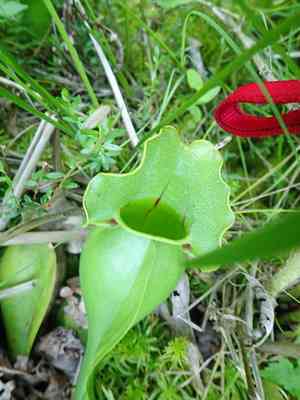
1
The optimal soil acidity for Purple pitcher plants is between 5 and 6, crucial for their development.
2
Purple pitcher plants thrive in a soil blend that imitates their native wetland habitat, typically a mix of peat moss and sand.
3
Consistently monitoring and resolving drainage problems helps avoid frequent soil-related issues like root decay.
Optimal Soil Type for Purple Pitcher Plants
Ideal Soil Characteristics
The Purple pitcher plant, renowned for its distinct carnivorous features, flourishes best in soil that is both damp and drains effectively. Unlike numerous other garden flora, they thrive in environments lacking in nutrients. This is due to their insect-capturing mechanism, which supplies them with the nourishment they would otherwise miss from the earth. Consequently, the soil ought to be acidic, with a pH level between 5 and 6, to closely mimic their natural bog environments.
Nutrient Requirements
Interestingly, Purple pitcher plants do not need nutrient-rich soil. In fact, elevated nutrient levels can be detrimental to them. This species obtains most of its sustenance from the insects it ensnares. As a result, it's vital to refrain from using fertilizers or compost that could elevate soil nutrient concentrations. Maintaining a low-nutrient, acidic setting guarantees optimal development and vibrant foliage.
Preparing Soil for Purple Pitcher Plants
Soil Mixture Composition
To formulate the perfect soil blend for your Purple pitcher plant, combine equal quantities of peat moss and sand. Peat moss provides the necessary acidity and retains moisture, while sand ensures proper drainage to prevent water accumulation. Avoid utilizing enriched potting mixes or soil with added nutrients, as these can create an unsuitable environment for the plant.
Steps for Correct Soil Preparation
Gather your materials: peat moss and silica sand.Mix the components in a 1:1 proportion.Ensure the mixture is thoroughly blended and uniformly damp before planting.Fill your container or garden area with the prepared mix, making sure it is free of any other organic matter or fertilizers.Plant your Purple pitcher plant and gently pat the soil around the base to secure it.
Common Soil Issues for Purple Pitcher Plants
Identifying Poor Soil Conditions
Suboptimal soil conditions for Purple pitcher plants often manifest as yellowing leaves, stunted development, and a general lack of vitality. Key indicators include excessively compacted soil, which hinders drainage, or soil that retains too much water, leading to root rot. Another sign is the presence of surplus nutrients, which can cause harmful effects like scorched leaf edges.
Solutions to Soil Problems
Enhance drainage by incorporating more sand or perlite into your soil mixture.Ensure the planting area or pot has sufficient holes to prevent water stagnation.If you observe signs of nutrient overdose, remove the plant, rinse off the soil, and replant in a fresh, nutrient-deficient mix.Periodically check the soil's pH and adjust if necessary to maintain the 5 to 6 range, using commercial pH-reducing products if required.
Maintaining Soil Health for Purple Pitcher Plants
Regular Soil Maintenance Advice
Maintaining healthy soil for your Purple pitcher plant involves routine inspections and adjustments. Ensure the soil remains consistently moist but not waterlogged. Test the soil pH regularly to preserve the acidic environment. Remove any debris that could decompose and alter the soil composition. Refrain from using any fertilizers or plant foods.
Seasonal Soil Care
Soil care for Purple pitcher plants varies slightly across seasons. During summer, ensure the soil is damp, mimicking the humid conditions of their natural habitat. In winter, reduce watering slightly as the plant's growth slows, preventing the soil from becoming waterlogged. Always shield the plants from frost by covering them or moving them during extremely cold weather.



