Optimal Soil for Growing Cylindrical snake plant: What You Need to Know
1
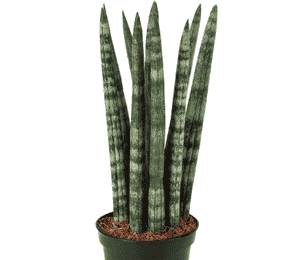
The cylindrical snake plant flourishes in soil that drains effectively, with a pH range of 6.0 to 7.5.
2
This species tolerates dry conditions well, and excessive watering often causes root decay.
3
Incorporating perlite or coarse sand can enhance the soil's drainage for your cylindrical snake plant.
What kind of substrate does a Cylindrical snake plant require?
Well-Draining Substrate
The Cylindrical snake plant needs a substrate that drains efficiently to prevent water from accumulating around its root system. Excessive moisture can cause root decay, a common problem for this drought-tolerant species. An effective blend for proper drainage includes a cactus or succulent potting mix. These specialized substrates mimic the dry, natural environments where the Cylindrical snake plant thrives.
Optimal pH Levels
Maintaining the correct pH level is vital for the health of your Cylindrical snake plant. The ideal soil pH range is between 6.0 and 7.5. This slightly acidic to neutral range enables the plant to absorb necessary nutrients effectively. A simple soil pH testing kit can help you monitor and adjust the pH as needed.
Substrate Composition
The best substrate composition for a Cylindrical snake plant incorporates a blend of organic matter and inorganic components. Combining potting soil with perlite or coarse sand helps improve drainage and aeration. You can also mix in some peat moss or coconut coir to retain just enough moisture without waterlogging the roots.
How to Prepare Substrate for Cylindrical snake plant
Mixing Your Substrate
You can create an optimal substrate blend by combining equal parts of cactus potting mix, perlite, and coarse sand. This mixture ensures excellent drainage and air circulation, preventing substrate compaction and excess moisture. Remember, the goal is to replicate the plant's natural habitat as closely as possible.
Amendments for Enhanced Drainage
If you find that your substrate holds too much moisture, consider adding amendments to boost drainage. Perlite, coarse sand, and small gravel are excellent choices. These materials help create air pockets within the substrate, allowing water to flow through more effectively. Avoid using materials that can compact or retain too much water, such as clay.
Maintaining Substrate Health
Regularly checking and maintaining the health of your substrate is crucial for the long-term well-being of your Cylindrical snake plant. Periodically test the substrate pH and adjust it as necessary. Adding a slow-release balanced fertilizer can also provide essential nutrients without overwhelming the plant. Ensure that you avoid over-fertilizing, as this can lead to nutrient imbalances and stress the plant.
Common Substrate Issues for Cylindrical snake plant
Root Decay
Root decay is a common problem caused by overwatering or poorly draining substrate. The roots become waterlogged, leading to decomposition and a decline in plant vitality. To prevent root decay, always use well-draining substrate and water sparingly, allowing the substrate to dry out between waterings. Inspect the roots regularly and remove any that appear darkened or soft.
Substrate Compaction
Substrate compaction restricts the movement of air and water through the substrate, impeding root development. To prevent compaction, use a light, airy substrate mixture and avoid pressing down the substrate when planting. If the substrate appears too dense, you can loosen it by gently aerating with a fork or adding more perlite or coarse sand.
Nutrient Deficiency
An insufficient supply of essential nutrients can result in stunted growth and poor foliage color. Ensure your Cylindrical snake plant receives a balanced supply of nutrients by using a slow-release fertilizer during the active growth period. Be mindful of the dosage, as excessive fertilization can be detrimental. Regularly check for signs of deficiencies such as yellowing leaves or weak growth and address them promptly with appropriate substrate amendments.
Best Practices for Repotting Cylindrical snake plant
Choosing the Appropriate Container
When repotting your Cylindrical snake plant, select a container that is slightly larger than the current one, with ample drainage holes to prevent water retention. A porous material like terracotta is ideal as it allows excess moisture to evaporate.
Timing for Repotting
The optimal time to repot your Cylindrical snake plant is during the spring or summer growing season. Repotting during these periods minimizes stress and allows the plant to recover and establish itself in the new substrate more effectively.
Steps to Successfully Repot
To successfully repot your Cylindrical snake plant, begin by gently removing the plant from its current container. Shake off excess substrate and trim any damaged roots. Place the plant in the new container, and fill in with your prepared well-draining substrate mix, ensuring that the roots are fully covered. Water the plant lightly to help it settle, and place it in a spot with indirect light to recover.



