Optimal Soil for Growing Pacific rhododendron: What You Need to Know
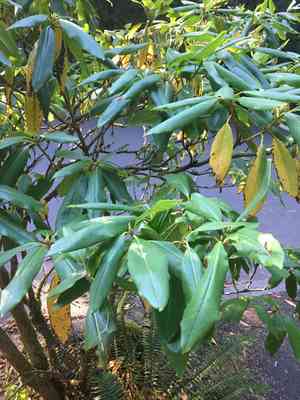
1
The Pacific rhododendron flourishes in acidic ground, ideally with a pH between 5.5 and 6.5.
2
Properly draining soil safeguards Pacific rhododendron from root decay and fungal infections.
3
Incorporating organic materials such as compost enriches the soil's nutrients and structure, promoting healthier plant growth.
What Soil Characteristics Does Pacific rhododendron Need?
Acidic Soil Condition
The Pacific rhododendron thrives in acidic soil. Its ideal pH range is 5.5 to 6.5. Acidic conditions boost nutrient availability, especially iron and magnesium, vital for the rhododendron's vibrant development. To achieve this, use specific soil amendments like sulfur or acidifying fertilizers from garden centers to adjust and maintain soil acidity.
Well-Drained Soil
Properly draining soil is essential for the Pacific rhododendron. Good drainage prevents roots from sitting in water, which can cause root rot and fungal diseases. Sandy loam or a soil mix with perlite or pumice can enhance drainage. Raised beds or sloped planting areas also help maintain adequate soil drainage.
Organic Matter Richness
Abundant organic matter in the soil is crucial for Pacific rhododendron. Mixing compost, leaf mold, or well-rotted manure into your garden bed improves soil structure, water retention, and nutrient content. Organic matter also stimulates beneficial microbes that break down nutrients, making them more accessible to the plant.
How to Test Soil pH for Pacific rhododendron?
Using a pH Meter
A pH meter provides a fast and accurate way to measure soil acidity. Simply insert the probe into the soil at root level and read the display. Many pH meters are user-friendly, offering instant results for efficient monitoring and adjustments to keep the soil within the desired pH range.
Soil Testing Kits
Commercial soil testing kits are another good option. These kits typically involve mixing a soil sample with a reagent and comparing the resulting color to a pH chart. They are an affordable and simple method to track soil pH, allowing you to test various garden areas for consistent soil conditions.
Professional Laboratory Testing
For the most precise and detailed analysis, consider professional laboratory testing. Soil samples sent to a lab will be analyzed for pH, nutrient levels, and other key factors. This comprehensive data is especially useful for making exact soil amendments and ensuring optimal growing conditions for your Pacific rhododendron.
How to Amend Soil for Pacific rhododendron?
Adjusting pH Levels
If your soil pH is too high, you can lower it by adding sulfur or aluminum sulfate. Elemental sulfur works gradually, while aluminum sulfate acts faster. If the soil is excessively acidic, which is uncommon for Pacific rhododendron, dolomitic limestone can be used to increase the pH.
Improving Drainage
To enhance soil drainage, incorporate coarse sand, perlite, or fine gravel into the soil. These additions create air pockets, allowing excess water to easily flow away from the roots. For areas with heavy clay soil, constructing raised beds improves drainage and prevents waterlogging.
Adding Organic Matter
Increase the organic content in your soil by blending in compost, leaf mulch, or aged manure. These materials not only improve soil structure and water retention but also provide a steady supply of nutrients. Over time, regular additions of organic matter will enrich the soil, promoting healthier and more robust Pacific rhododendron growth.
Can Pacific rhododendron Grow in Clay Soil?
Challenges with Clay Soil
Growing Pacific rhododendron in clay soil presents difficulties due to poor drainage and aeration. Clay soils tend to hold water, leading to waterlogged roots, root rot, and other health issues. Furthermore, dense clay soils can hinder root expansion, stunting plant development.
Amending Clay Soil to Suit Pacific rhododendron
To cultivate Pacific rhododendron in clay soil, modifications are essential. Incorporate large amounts of organic matter like compost or peat moss to improve soil texture and drainage. Sand or gypsum can also help break up clay particles. Raised beds filled with a well-draining soil mix can create an ideal environment for your rhododendrons.
Understanding Soil Moisture Needs for Pacific rhododendron
Keeping Soil Consistently Moist
Maintaining uniformly moist soil is vital for Pacific rhododendron. These plants prefer soil that is neither too dry nor waterlogged. Regular irrigation, especially during arid periods, ensures the plant's roots have sufficient moisture. Mulching around the plant's base helps retain soil moisture and reduces the need for frequent watering.
Avoiding Waterlogged Conditions
While Pacific rhododendron enjoys moist soil, it's equally important to prevent waterlogging. Ensure the planting site has good drainage and avoid over-watering. Placing the plant on a slight incline or using a well-draining soil mix can prevent water from accumulating around the roots.
Best Watering Practices
For optimal soil moisture, water Pacific rhododendron deeply and less often, rather than frequent shallow watering. This encourages deep root development and helps the plant endure dry spells. Using a drip irrigation system or soaker hoses can deliver a consistent water supply directly to the root zone without wetting the foliage, reducing the risk of foliar diseases.



