Optimal Soil for Growing Lady Palm: What You Need to Know
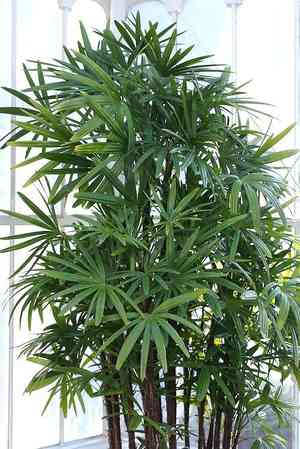
1
Lady Palms flourish in soil pH levels between 6.5 and 7.5, which supports ideal nutrient uptake.
2
Incorporating organic materials, like compost, into your Lady Palm's soil improves its ability to hold moisture and its nutritional content.
3
Utilize containers with drainage openings to avoid excessive water accumulation, a frequent problem leading to root decay in Lady Palms.
Understanding Lady Palm Soil Requirements
Why Soil Matters for Lady Palm
Soil serves as the lifeblood for any plant, and the Lady Palm is no different. It delivers vital nutrients, water, and air to the root system, supporting the plant's overall health and development. Utilizing the correct soil is especially critical for Lady Palm as it requires specific conditions to flourish. A suitable soil promotes robust root growth and vigorous development, ensuring your plant stays healthy and vibrant.
Basic Soil Attributes Needed
For a Lady Palm, essential soil characteristics include effective drainage, moderate moisture retention, and a balanced pH level. The soil should not be overly clayey, which would hold too much water, nor excessively sandy, which would drain too rapidly. Our goal is a balanced medium that retains moisture while preventing waterlogging.
Ideal Soil Composition for Lady Palm
Preferred Soil pH
The optimal soil pH for Lady Palm ranges from 6.5 to 7.5. This neutral to slightly acidic range ensures that nutrients are readily available for root absorption. You can easily test your soil pH with a home kit, and if necessary, adjust it by adding lime to increase pH or sulfur to decrease it.
Texture and Drainage
A well-draining soil texture is crucial for the Lady Palm. Compact and poorly draining soil can lead to root rot, a common issue that can severely harm the plant. A mix incorporating elements like sand, perlite, or vermiculite can help improve drainage while maintaining adequate moisture retention.
Organic Matter Content
Incorporating organic matter such as compost or well-rotted manure can significantly enhance soil quality. Organic matter improves soil structure, moisture retention, and provides a gradual release of essential nutrients. It's a key component that can make your Lady Palm appear vibrant and healthy.
Best Soil Mix Recipes for Lady Palm
Homemade Soil Mix
Crafting your own soil mix for Lady Palm can be both gratifying and economical. A straightforward yet effective recipe could comprise one part potting soil, one part peat moss, and one part perlite or sand. This blend offers a good balance of drainage and moisture retention, ensuring your palm receives optimal conditions.
Commercial Soil Options
If you prefer convenience, several commercial soil options are suitable for Lady Palm. Seek out potting mixes specifically designed for palms or tropical plants. These mixes are typically formulated to provide the right balance of nutrients, drainage, and moisture retention, eliminating the guesswork involved in creating your own blend.
Common Soil Problems and Solutions for Lady Palm
Overwatering Issues
Overwatering is a frequent problem when caring for Lady Palm. It can result in root rot and other fungal diseases. Ensure your pot has sufficient drainage holes and consider adding a layer of gravel at the bottom to further aid drainage. Also, allow the top inch (2.5 cm) of soil to dry out before rewatering.
Nutrient Deficiencies
Nutrient deficiencies can manifest as yellowing leaves or stunted growth. To prevent this, periodically feed your Lady Palm with a balanced, slow-release fertilizer. Adding organic matter, such as compost, can also help maintain nutrient levels in the soil.
Soil Compaction
Soil compaction restricts root development and reduces aeration. To address this issue, ensure your soil mix contains components like perlite or bark chips to improve air circulation. Regularly check for signs of compaction and gently loosen the soil surface if necessary.
When and How to Repot Your Lady Palm
Signs It's Time to Repot
Several indicators suggest your Lady Palm requires repotting. These include roots emerging from drainage holes, slower-than-usual growth, or the soil drying out too quickly after watering. Typically, repotting every 2-3 years is adequate.
Step-by-Step Repotting Guide
Select a pot that is 2-3 inches (5-7.5 cm) larger in diameter than the current one and has good drainage.Gently remove the Lady Palm from its current pot, taking care not to damage the roots.Place a layer of fresh soil mix at the bottom of the new pot.Position the plant in the center and fill around it with more soil mix, gently firming it down.Water thoroughly and allow any excess to drain away.
Aftercare Tips Post-Repotting
After repotting your Lady Palm, provide it with extra care. Keep it in a shaded area for a few days to minimize transplant shock. Ensure consistent moisture without overwatering, and avoid fertilizing for a month to allow the plant to acclimate to its new environment.



