Optimal Soil for Growing Valley oak: What You Need to Know
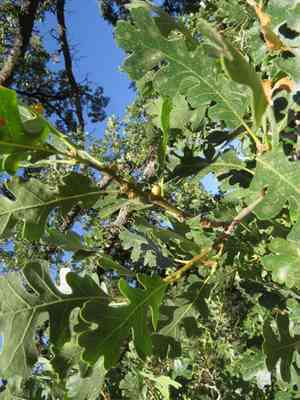
1
Valley oak trees flourish optimally in soil that drains well and is loamy.
2
An ideal soil pH range for Valley oak development is between 6.5 and 8.
3
Consistent soil analysis aids in detecting nutrient shortages and required soil improvements.
Optimal Soil Type for Valley Oak
Loamy Soil Composition
The Valley oak, indigenous to California's valleys, thrives in loamy soil due to its ideal structure and drainage. Loamy soil is a balanced blend of sand, silt, and clay. This mix supplies the tree with sufficient nutrients while ensuring moisture retention without waterlogging. Its texture allows roots to respire and access vital resources without stress, making loamy soil the preferred choice for robust growth.
Drainage Requirements
Effective drainage is vital for the health of Valley oak trees. Standing water can lead to root rot and other ailments, which can be harmful to the tree's well-being. To ensure proper drainage, the soil should be well-aerated, and the planting site should be slightly elevated if feasible. Incorporating organic materials like compost can also enhance soil structure and water movement, helping to maintain appropriate moisture levels for the tree.
Soil pH for Valley Oak
Ideal pH Range
Valley oak trees flourish best in soils with a pH between 6.5 and 8. This slightly acidic to mildly alkaline range facilitates optimal nutrient absorption and overall vitality. Soils outside this range can restrict nutrient availability, leading to stunted growth or decline. Regular monitoring of soil pH helps maintain these ideal conditions, promoting vigorous growth and development.
Adjusting Soil pH
To modify your soil's pH, you can introduce specific amendments. For acidic soils, adding lime (calcium carbonate) can elevate the pH. Conversely, if your soil is excessively alkaline, incorporating elemental sulfur or aluminum sulfate can reduce it. Always retest the soil after adjustments to ensure the pH is within the desired range, creating a favorable environment for the Valley oak.
Nutrient Requirements for Valley Oak Soil
Essential Nutrients
Valley oak trees need several crucial nutrients to thrive. Key among these are nitrogen (N), phosphorus (P), and potassium (K). Nitrogen encourages lush foliage and stem development, phosphorus is essential for root and flower formation, and potassium boosts overall tree vigor and disease resistance. In addition to these macronutrients, micronutrients such as magnesium, calcium, and iron are also important for optimal health.
Soil Amendments
Soil amendments can significantly impact meeting the nutrient needs of your Valley oak. Adding compost or well-rotted manure not only enriches nutrient levels but also improves soil structure. For more precise nutrient additions, using balanced slow-release fertilizers can provide a steady supply of essential nutrients throughout the growing season. Regular soil analysis will help identify any nutrient deficiencies and guide the selection of appropriate amendments.
How to Test and Improve Soil Quality for Valley Oak
Soil Testing Methods
Testing your soil is the initial step in understanding its current condition and how to enhance it for cultivating Valley oak trees. Home test kits are available, offering immediate results for pH and some basic nutrients. For more comprehensive results, submitting a soil sample to a local agricultural extension office or professional lab can provide detailed insights into nutrient levels and soil composition. Regular testing every 2-3 years is recommended to keep the soil in optimal condition.
Improvement Techniques
Improving soil quality involves several strategies. Incorporating organic matter, such as compost or leaf mulch, enhances soil structure and nutrient content. For compacted soil, aeration methods like using a garden fork or mechanical aerator can promote better root growth and water infiltration. Additionally, utilizing cover crops can prevent soil erosion and boost fertility. Tailoring these improvements specifically to the needs of Valley oaks ensures they receive the best possible growing conditions.



