Optimal Soil for Growing Blackthorn: What You Need to Know
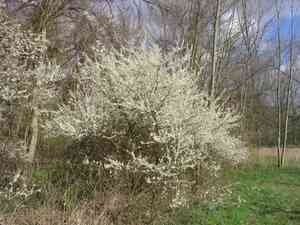
1
Blackthorn flourishes optimally in loamy earth, offering an even blend of sand, silt, and clay.
2
Sustaining a soil pH between 6 and 7 is vital for peak Blackthorn development, guaranteeing nutrient access.
3
Consistent soil analysis, performed annually, is key to tracking pH and nutrient levels for robust Blackthorn specimens.
Preferred Soil Type for Blackthorn
Loamy Earth
Loamy earth is frequently regarded as the optimal substrate for cultivating Blackthorn. This soil type achieves a perfect equilibrium, comprising roughly equal proportions of sand, silt, and clay. Its structure enables effective moisture retention while ensuring proper drainage. It also offers high fertility, supporting Blackthorn's nutritional needs. To create an ideal environment for these plants, consider blending organic materials like compost into your garden soil to achieve this desired loamy consistency.
Sandy Earth
Although Blackthorn can thrive in sandy earth, it demands extra attention. Sandy soil is known for its excellent drainage but can dry out rapidly and often lacks vital nutrients. To enhance sandy soil for Blackthorn, consider incorporating organic matter or compost. This helps boost moisture retention and nutrient content. Furthermore, applying mulch around the plant's base can reduce water evaporation and stabilize soil temperature.
Clayey Earth
Clayey earth presents more difficulties for Blackthorn, yet with proper preparation, it can still be a suitable medium. This soil type tends to hold excessive water, potentially leading to root rot if not managed correctly. Amending clay soil with organic material such as compost or peat moss can improve its structure, enhance drainage, and make it more hospitable for Blackthorn. Regularly monitoring moisture levels and ensuring the soil isn't waterlogged will significantly contribute to your plants' well-being.
How to Assess Soil for Blackthorn Planting?
pH Level Assessment
Assessing your soil's pH level is a crucial step before planting Blackthorn. The ideal pH range for Blackthorn is between 6 and 7. You can utilize a home pH testing kit or submit a soil sample to a local extension service for analysis. If your soil's pH falls outside the optimal range, adjustments may be necessary. For instance, adding lime can elevate pH, making the soil more alkaline, while sulfur can lower pH, making it more acidic.
Drainage Assessment
A straightforward drainage assessment can indicate if your soil is appropriate for Blackthorn planting. To conduct this test, excavate a hole approximately 30 cm (12 inches) deep and fill it with water. Allow the water to completely drain, then refill the hole. Observe how long it takes for the water to dissipate. Ideally, the water should drain within 24 hours, signifying good drainage. If the water drains too quickly or persists for too long, you may need to amend the soil accordingly.
Nutrient Makeup
Understanding your soil's nutrient makeup is vital for Blackthorn health. A comprehensive soil test can provide insights into the levels of key nutrients such as nitrogen, phosphorus, and potassium. Based on the findings, you can customize your soil amendment strategy. For nutrient-deficient soils, incorporating organic fertilizers or well-rotted manure can significantly enhance fertility, ensuring your Blackthorn receives the necessary nutrients for vigorous growth.
How to Prepare Soil for Blackthorn Cultivation?
Soil Improvement
Preparing the soil for Blackthorn involves making necessary improvements to enhance its structure and fertility. Begin by tilling the soil to break up any compacted areas. Next, incorporate organic matter like compost, aged manure, or peat moss to improve texture and nutrient content. This step is especially important for sandy or clay soils, as it helps balance moisture retention and drainage.
Composting Practices
Composting is a highly beneficial practice when preparing soil for Blackthorn cultivation. Compost enriches the soil with essential nutrients and beneficial microorganisms. To compost effectively, gather a mix of green materials (such as vegetable scraps and grass clippings) and brown materials (like leaves and straw). Layer these in a compost bin, ensuring proper aeration and moisture. Over time, the organic matter will decompose into rich, fertile compost, which can be mixed into your soil to support Blackthorn growth.
Mulching Techniques
Applying mulch around your Blackthorn plants offers numerous advantages, including moisture retention, temperature regulation, and weed suppression. Organic mulches like shredded bark, straw, or wood chips are excellent choices. Spread a 5-10 cm (2-4 inch) layer of mulch around the base of your plants, being careful not to pile it against the stems. This practice not only enhances the soil's fertility as the mulch breaks down but also helps maintain optimal growing conditions for your Blackthorn.
Optimal Soil pH for Blackthorn?
Acidic Conditions
While Blackthorn can endure slightly acidic conditions, it favors a pH that leans towards neutral. Soil with a pH below 6 is considered too acidic for optimal Blackthorn growth. If your soil is excessively acidic, consider adding lime. However, apply it gradually and retest the pH periodically to avoid overshooting and making the soil too alkaline.
Neutral Conditions
Neutral soil, with a pH around 6 to 7, is ideal for Blackthorn. This range provides a balanced environment that enhances nutrient availability and microbial activity, essential for healthy plant growth. If your garden soil tests within this pH range, minimal adjustments will be needed, making it easier to maintain a thriving Blackthorn orchard.
Alkaline Conditions
Alkaline soil, with a pH above 7, is not ideal for Blackthorn and can lead to nutrient deficiencies, particularly in iron and manganese. If your soil is too alkaline, you can lower the pH by adding sulfur or organic materials like pine needles or peat moss. Regular soil testing is recommended to monitor pH levels and make necessary adjustments gradually.
How to Maintain Blackthorn Soil Health?
Consistent Soil Testing
Consistent soil testing is crucial for maintaining the health of your Blackthorn. Annual tests can provide valuable insights into soil pH, nutrient levels, and overall fertility. Based on the results, you can adjust your soil management practices to ensure your plants receive the necessary nutrients and optimal growing conditions.
Incorporating Organic Matter
Incorporating organic matter into your soil is an ongoing process that greatly benefits Blackthorn health. Regularly adding compost, aged manure, or green manure crops can improve soil structure, enhance nutrient content, and boost microbial activity. This practice not only supports plant growth but also enhances the soil's resilience and fertility over time.
Avoiding Soil Compaction
Avoiding soil compaction is vital for maintaining healthy roots and efficient nutrient uptake for your Blackthorn. Refrain from walking on garden beds or using heavy machinery that can compress the soil. Additionally, periodically tilling or aerating compacted areas can help restore soil structure and promote better water infiltration and root development.



