Optimal Soil for Growing King protea: What You Need to Know
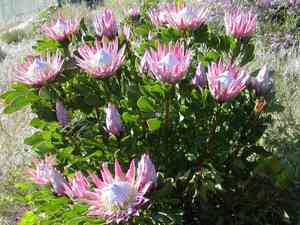
1
Maintain your King protea's soil pH within the 6.5 to 7.5 range for best development.
2
Adding organic materials such as compost significantly enhances soil conditions for King protea.
3
Periodically inspect and modify your soil to prevent densification, promoting robust root systems.
Optimal Soil Type for King Protea
Sandy Loam
The King protea flourishes best in sandy loam. This soil type blends fine sand particles with loam, achieving an ideal balance for both water drainage and nutrient retention. Its loose composition allows roots to easily spread and access available nutrients.
Well-Draining Soil
Excellent drainage is vital for King protea. These plants are highly susceptible to waterlogged conditions, which can cause root rot and other health problems. Ensure your soil mix contains materials like sand, perlite, or small stones to boost drainage. Elevated garden beds or sloped areas can also aid in maintaining proper drainage.
Why Acidic Soil is Preferred
King protea favors slightly acidic to neutral soil, with a pH between 6.5 and 7.5. This environment facilitates optimal nutrient absorption. Acidic soil enhances the availability of crucial nutrients such as iron and manganese, contributing to the plant's vibrant health and coloration.
Preparing Soil for King Protea Planting
Testing Soil pH
Before planting King protea, it's crucial to assess the soil's pH. You can use a home soil test kit or send a sample to a local extension service for analysis. If the pH falls outside the desired range (6.5-7.5), amendments like elemental sulfur can lower pH, while lime can raise it.
Amending Soil for Enhanced Drainage
To ensure your soil drains exceptionally well, consider incorporating materials like coarse sand, perlite, or gravel. These additions help create air pockets in the soil, preventing water from accumulating around the roots. Raised beds or mounded rows can also improve drainage.
Incorporating Organic Matter
Organic matter, such as compost or well-rotted manure, can greatly benefit King protea. It improves soil structure, increases nutrient content, and encourages beneficial microbial activity. Aim to mix organic matter into the top 12 to 15 inches (30 to 38 cm) of your soil.
Common Soil Issues for King Protea
Soil Compaction and Its Effects
Soil compaction can be detrimental to King protea. Compacted soil restricts root development and reduces oxygen availability. To prevent this, regularly aerate the soil and avoid stepping directly on planting areas. Utilizing raised beds can also minimize compaction.
Poor Drainage Problems
Inadequate drainage can lead to root rot and other water-related issues in King protea. To resolve this, ensure proper soil amendments are in place and consider regrading the planting area to improve water runoff. Frequent soil moisture checks can help detect drainage problems early.
Nutrient Deficiencies
King protea can suffer from nutrient deficiencies if the soil lacks essential minerals. Regular soil testing helps identify these shortages. Amending the soil with appropriate fertilizers or organic composts can correct these issues. Look for signs like yellowing leaves or stunted growth as indicators.
How Often Should You Replace the Soil?
Signs Your Soil Needs Replacement
Indicators that your soil may need replacing include poor plant growth, persistent pests or diseases, and insufficient drainage. Regularly monitoring soil health and adding necessary amendments can extend the time between soil changes.
Best Practices for Replanting
For replanting King protea, begin by carefully removing the plant and inspecting its roots. Refresh the soil by adding new organic matter and ensuring the pH remains within the desired range. Replant during cooler parts of the day to minimize transplant shock.



