Optimal Soil for Growing Terebinth tree: What You Need to Know
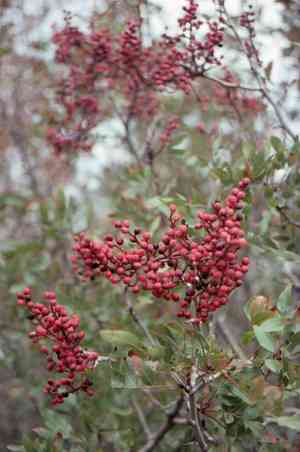
1
The Terebinth tree flourishes in soil with a pH between 6.5 and 8, allowing it to adapt to somewhat acidic and somewhat alkaline environments.
2
Peak development happens in soils that drain well, preventing root decay and other problems linked to excess moisture often found in poorly draining areas.
3
Adding organic materials like compost not only boosts nutrient levels but also betters soil structure and drainage, creating a perfect growing environment for your Terebinth tree.
What Kind of Substrate Does a Terebinth Tree Require?
Optimal Soil Makeup
The Terebinth tree (Pistacia terebinthus) thrives best in loamy to sandy substrates that offer a good blend of organic matter and minerals. A well-balanced soil provides adequate structural support while allowing roots access to vital nutrients. If your garden's earth is heavy clay or excessively sandy, consider enriching it with organic material to achieve equilibrium. Attaining the ideal composition ensures your Terebinth tree develops robustly with a healthy root system.
Soil Drainage Needs
One of the most crucial aspects of substrate suitability for the Terebinth tree is proper water runoff. This species does not tolerate waterlogged conditions, which can lead to root rot and other fungal diseases. To enhance drainage, incorporating sand or gravel into the soil can be effective. Additionally, planting your tree on a slight mound can help facilitate water shedding, especially in areas prone to heavy precipitation.
Soil Acidity Preferences
The Terebinth tree favors a soil pH ranging from 6.5 to 8, allowing it to flourish in slightly acidic to slightly alkaline environments. Maintaining this pH balance ensures that essential nutrients like nitrogen, phosphorus, and potassium are readily available to the tree. Routine soil analysis can help you monitor and adjust the pH as necessary.
Factors Influencing Substrate Quality for Terebinth Tree
Nutrient Content
Soil nutrient levels play a vital role in the growth and health of your Terebinth tree. Nutrients such as nitrogen, phosphorus, and potassium are crucial for various physiological processes. To ensure your soil has the correct nutrient composition, regularly amend it with organic fertilizers or well-decomposed manure. These not only boost nutrient levels but also improve soil texture and vitality.
Aeration and Compaction
Good soil aeration is essential for root respiration and overall plant well-being. Compacted soil restricts airflow and water penetration, which can impede root development and nutrient absorption. Using tools like a garden fork to loosen the soil around your Terebinth tree can significantly improve aeration. Furthermore, avoiding heavy foot traffic and machinery near the planting area can prevent soil compression.
Soil Moisture Levels
Consistent soil moisture is key to the health of your Terebinth tree. While this tree is drought-tolerant once established, young trees require regular irrigation to develop a strong root system. Mulching can help retain soil moisture while also suppressing weeds. However, it's crucial to avoid excessive watering to prevent waterlogged conditions, which can be detrimental.
How to Prepare Soil for Planting a Terebinth Tree?
Soil Testing and Amendments
Before planting your Terebinth tree, conduct a soil test to determine pH and nutrient levels. Knowing your soil's condition allows you to make necessary adjustments. For example, if the pH is too low, adding lime can help increase it. Conversely, sulfur can be used to lower a high pH. Amendments like compost and organic matter enrich the soil, providing a favorable environment for the tree's growth.
Organic Matter and Compost
Incorporating organic matter such as compost into your soil can significantly enhance its fertility and structure. Compost provides essential nutrients and promotes beneficial microbial activity, which aids in the decomposition of organic material and nutrient release. Other organic amendments like leaf mold or well-rotted manure can also contribute positively to soil health.
Proper Planting Techniques
When planting a Terebinth tree, ensure you dig a hole twice as wide but only as deep as the root ball. This allows the roots to spread out easily. Position the tree so the root collar (where the roots meet the trunk) is level with the soil surface to prevent rot. Fill in with your amended soil and water thoroughly. Applying a mulch layer around the base can help retain moisture and deter weeds.
Common Soil Issues and Solutions for Terebinth Tree
Identifying Soil Problems
Common soil issues for Terebinth tree include nutrient deficiencies, inadequate drainage, and soil compaction. Yellowing leaves or stunted growth might indicate a lack of essential nutrients like nitrogen or iron. Gnarled root systems can point to poor drainage or compression. Regular checks and soil analysis can help you spot and address these issues promptly.
Correcting Soil Imbalances
Once you've identified soil issues, the next step is to rectify them. Nutrient imbalances can be corrected using specific fertilizers. For example, adding nitrogen-rich compost can address nitrogen deficiency. Improving drainage might require re-working the soil structure with gravel or sand. To alleviate compaction, aerating the soil can be very effective.
Preventing Soil Erosion
Soil erosion can strip away the topsoil, depriving your Terebinth tree of essential nutrients. Techniques to prevent erosion include mulching and planting cover crops. Mulch acts as a protective layer over soil, reducing the impact of heavy rain. Cover crops help hold the soil in place with their root systems. Implementing these practices will help maintain a healthy growth environment for your tree.



