Optimal Soil for Growing Philodendron gloriosum: What You Need to Know
1
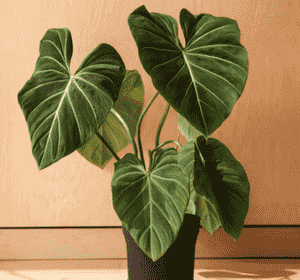
Philodendron gloriosum flourishes optimally in substrate with a pH range of 6 to 7.
2
Periodically replacing the growing medium helps avoid nutrient shortages and promotes robust development.
3
An ideal soil blend comprises organic material, perlite, peat moss, and bark to ensure peak plant vitality.
Why is Selecting the Appropriate Substrate Crucial for Philodendron gloriosum?
Fosters Robust Root Development
Philodendron gloriosum requires a nutrient-rich and airy substrate to support its extensive root network. Healthy roots are vital for water and nutrient absorption, and a good soil blend aids in root expansion, keeping your plant lush and vibrant.
Prevents Waterlogging and Root Decay
The correct substrate prevents waterlogging, which is essential for Philodendron gloriosum. Poorly draining soil can lead to root rot, a common problem that can severely impact your plant's health. Choosing well-draining soil components ensures excess water doesn't accumulate around plant roots.
Ensures Adequate Nutrient Availability
Soil not only acts as a medium for root support but also as a reservoir of vital nutrients. Selecting the proper soil mix guarantees Philodendron gloriosum has access to the nutrients it needs for healthy growth and development. A balanced soil blend will release nutrients gradually, supporting sustained plant vitality.
What Substrate Components are Optimal for Philodendron gloriosum?
Organic Material
Organic matter like compost or leaf mold enhances soil structure, water retention, and nutrient content. It supplies necessary minerals and beneficial microorganisms that boost root health and growth.
Perlite and Vermiculite
Perlite and vermiculite are crucial for aeration and drainage. Perlite, with its light and porous nature, helps prevent soil compaction, thereby improving soil aeration. Vermiculite assists in moisture retention while maintaining a light and airy soil structure, ensuring a balanced environment for roots.
Peat Moss or Coco Coir
Peat moss and coco coir serve similar functions in soil mixes; they excel at retaining moisture without making the soil too dense. These components also help maintain an acidic pH balance, which is ideal for Philodendron gloriosum.
Bark or Pine Fines
Incorporating bark or pine fines into your soil mix can significantly improve drainage and aeration. These larger particles prevent the soil from becoming overly compacted while allowing roots to breathe. Bark also provides a slightly acidic quality, aligning well with the preferred pH range of 6 to 7.
How to Formulate the Ideal Soil Mix for Philodendron gloriosum?
Step-by-Step Substrate Blending Guide
Creating the perfect soil mix for Philodendron gloriosum involves combining several key elements:Begin with 40% organic material, such as compost.Add 20% peat moss or coco coir for moisture retention.Mix in 20% perlite or vermiculite to enhance aeration and drainage.Finally, incorporate 20% bark or pine fines to ensure good airflow and root penetration. Blend these components thoroughly to create a well-balanced medium.
Effective Soil Ratios for Peak Growth
To optimize the growth of Philodendron gloriosum, consider using the following soil ratios:2 parts organic material1 part peat moss1 part perlite or vermiculite1 part bark fines.
Common Soil Issues and Solutions for Philodendron gloriosum
Identifying and Correcting Poor Drainage
If you observe yellowing leaves or a wilting plant, poor drainage might be the cause. Improve drainage by adding more perlite or bark to the soil mix. Repot your plant and ensure the container has adequate drainage holes.
Addressing Substrate Compaction
Soil compaction can impede root growth. To counter this, regularly aerate your soil by gently loosening the top layer. Incorporating perlite and vermiculite into the soil mix can prevent compaction long-term.
Managing Soil Nutrient Deficiencies
Regularly inspect your plant for signs of nutrient deficiencies, such as yellowing or stunted growth. Supplement your soil with organic fertilizers or soil amendments like bone meal or fish emulsion to replenish essential nutrients.
How Frequently Should You Replace the Soil for Philodendron gloriosum?
Indicators It's Time to Repot
Look for these signs that suggest it's time to change the soil: roots emerging from the pot, slow growth despite proper care, and compacted or salt-crusted soil. These signals indicate depleted nutrients or that the plant has outgrown its container.
Best Practices for Repotting
Repotting should generally occur every 1-2 years. Select a pot that is 2-3 inches (5-7 cm) larger in diameter than the current one. Carefully remove the plant, shake off old soil, and place it in the new pot with fresh, well-mixed soil. Water thoroughly to help the plant settle into its new environment.



