Optimal Soil for Growing Blushing philodendron: What You Need to Know
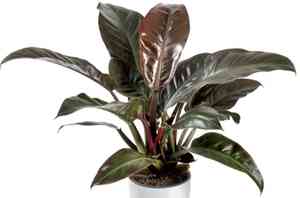
1
The blushing philodendron flourishes optimally in soil with a pH range of 6.5 to 7.5.
2
Utilize a free-draining soil mix to avert root decay and support vigorous development.
3
Periodically loosen the soil to sustain its vitality and avoid densification.
What Growing Medium is Ideal for Blushing philodendron?
Optimal Medium Characteristics
For the Blushing philodendron, the best growing medium is both rich in organic matter and effectively drains water. Its texture should be light and porous, allowing roots to breathe and extend with ease. It's crucial to select a medium that retains some hydration but never becomes waterlogged. A proper balance between moisture retention and drainage is key for your plant's vitality.
Importance of Well-Draining Medium
Well-draining medium is crucial for Blushing philodendron as it prevents root decay, a common issue when water lingers too long in the substrate. Ensure your mix allows surplus water to escape efficiently. Utilizing containers with drainage holes further aids in maintaining appropriate moisture levels, protecting roots from overly wet conditions.
Components of the Right Potting Mix for Blushing philodendron
Sphagnum Peat Moss
Sphagnum peat moss is an excellent addition to your potting mix because it helps retain the correct amount of moisture while also providing good air circulation. It possesses a slightly acidic pH, which aligns with the Blushing philodendron's preference for a soil pH ranging from 6.5 to 7.5. When creating your potting mix, incorporate about one-third peat moss for adequate moisture and aeration.
Perlite Granules
Another essential ingredient for the potting mix is perlite granules. Perlite is volcanic glass that has been heated to expand, making it lightweight and porous. It enhances soil aeration and drainage, stopping water from pooling too long in the medium. When preparing a mix for your Blushing philodendron, adding approximately one-quarter perlite helps maintain the essential well-draining environment for robust root development.
Orchid Bark Chunks
Orchid bark chunks are also a beneficial component for the potting mix. They improve the medium's texture, making it more airy and free-draining. The coarse nature of orchid bark allows water to pass through quickly while still holding some moisture near the root system. Including approximately one-quarter orchid bark in your potting mix can create ideal conditions for your Blushing philodendron.
How to Prepare Potting Mix for Blushing philodendron
Step-by-Step Preparation Instructions
To formulate the perfect potting mix for your Blushing philodendron, follow these steps:Gather your ingredients: sphagnum peat moss, perlite, and orchid bark.In a sizable container or bucket, combine three parts peat moss, two parts perlite, and two parts orchid bark.Mix thoroughly to guarantee an even distribution of all components.Inspect for any large clumps and break them apart to maintain a light, airy texture.The potting mix is now ready. Fill your pot about halfway before positioning the plant, then top it off with more mix, ensuring the roots are fully covered.
Expert Tips for Mixing Substrate
Here are some professional tips to ensure success when preparing potting mix for Blushing philodendron:Always use fresh, premium-quality components to prevent introducing pests or diseases.If available, consider incorporating about a teaspoon of activated charcoal into the mix. This can help absorb surplus moisture and deter root ailments.Work in a well-ventilated space to avoid inhaling dust from the substrate components.
Maintaining Growing Medium Health for Blushing philodendron
Regular Medium Aeration
To keep your Blushing philodendron thriving, regular aeration of its growing medium is crucial. Over time, the medium can become dense, which impedes root growth and water runoff. Use a small gardening fork or similar tool to gently loosen the top layer of the substrate every few months. This practice helps preserve medium structure and encourages healthy root development.
Monitoring Substrate pH
The Blushing philodendron thrives in a substrate pH between 6.5 and 7.5. Regularly checking your medium's pH can help ensure your plant remains healthy. You can utilize a substrate pH testing kit, widely available at garden centers. If the pH is outside the preferred range, you can adjust it using substrate amendments. For instance, adding lime can increase pH, while sulfur can lower it.
Preventing Substrate Compaction
To prevent substrate compaction, avoid overwatering and using dense growing mediums. Compressed substrate restricts root development and reduces oxygen availability. Incorporate organic material like compost into the medium to enhance its structure and aeration. Additionally, refrain from pressing down too firmly when potting your Blushing philodendron, ensuring the medium remains loose and conducive for root expansion.



