Optimal Soil for Growing Nutmeg and mace: What You Need to Know
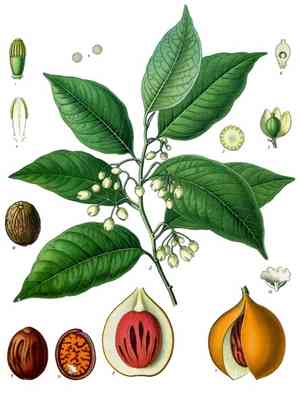
1
Nutmeg and mace flourish in sandy loam soil that drains effectively, possessing a pH range of 6.5 to 8.
2
Adding organic materials such as compost boosts soil richness and composition, promoting better plant development.
3
Regular soil analysis guarantees your soil retains the essential nutrients and pH equilibrium for robust Nutmeg and mace plants.
Optimal Soil Types for Nutmeg and Mace Cultivation
Soil Acidity/Alkalinity Requirements
For Nutmeg and mace, achieving the correct soil pH is vital. These plants thrive in slightly acidic to neutral soil, with a pH range of 6.5 to 8. Maintaining this pH range ensures that necessary nutrients are accessible to the plants. If your soil is too acidic or alkaline, you can modify it by adding lime to increase the pH or sulfur to decrease it.
Soil Drainage Requirements
Nutmeg and mace need well-draining soil to prevent waterlogging, which can cause root rot and other ailments. A sandy loam soil is perfect as it allows surplus water to drain away, ensuring roots receive oxygen. Ensuring adequate drainage is crucial, especially in regions with heavy rainfall.
Soil Consistency
The consistency of the soil significantly impacts the well-being of your Nutmeg and mace plants. These plants flourish in a sandy loam texture that offers both good drainage and sufficient water retention. A friable soil structure supports root growth and permits easy root penetration, which is essential for nutrient uptake and plant stability.
Preparing Soil for Nutmeg and Mace Planting
Soil Improvement Suggestions
Before planting Nutmeg and mace, it's beneficial to enhance the soil to meet their needs. Incorporating organic matter like compost or well-rotted manure can boost soil fertility and structure. This amendment improves the soil's capacity to retain moisture while also encouraging beneficial microbial activity.
Organic Material Integration
Integrating organic material is crucial for optimal soil vitality. Mixing compost, leaf mold, or aged manure into the soil helps improve its fertility and texture. Organic matter decomposes gradually, providing a steady supply of nutrients to Nutmeg and mace plants and fostering a rich, biologically active soil environment.
Mulching Techniques
Mulching around your Nutmeg and mace plants offers various advantages, including moisture retention, temperature regulation, and weed suppression. Organic mulches like straw, wood chips, or cocoa bean hulls break down over time, adding nutrients to the soil. Apply a 2-3 inch (5-7.5 cm) layer of mulch, ensuring it doesn't touch the plant stems to prevent decay.
Common Soil Issues for Nutmeg and Mace and Their Solutions
Soil Compaction
Soil compaction can hinder root development and reduce soil aeration. This can be particularly problematic for Nutmeg and mace. To alleviate compaction, regularly aerate the soil, and incorporate organic matter to improve soil structure. Avoid heavy machinery or excessive foot traffic around the planting area to maintain soil porosity.
Nutrient Deficiencies
Nutrient deficiencies can impede plant growth and decrease yield. Ensure a balanced supply of essential nutrients by testing your soil and applying appropriate fertilizers. Organic solutions, such as compost tea or fish emulsion, can provide a nutrient-rich boost. Focus on maintaining adequate levels of nitrogen, phosphorus, and potassium for healthy plants.
Excessive Soil Moisture
Too much soil moisture can lead to root rot and other problems. Ensure proper drainage by planting Nutmeg and mace in raised beds or on slopes where water can naturally run off. Adding organic matter and sand to the soil can improve its drainage capabilities. Monitor rainfall and irrigation to prevent overwatering.
Maintaining Soil Health for Nutmeg and Mace
Routine Soil Analysis
Routine soil analysis is essential for maintaining optimal soil health. Conduct soil tests at least once a year to monitor pH and nutrient levels. This allows you to make informed adjustments to fertilization and pH management, ensuring your Nutmeg and mace plants have the best possible growing conditions.
Fertilization Practices
Consistent fertilization practices are key to supporting healthy growth. Use a balanced, slow-release fertilizer to provide consistent nutrients throughout the growing season. Organic fertilizers, such as fish emulsion or compost, can enhance soil fertility while promoting long-term soil health.
Pest and Disease Control
Maintaining soil health also involves managing pests and diseases. Use organic pest control methods, such as neem oil or beneficial insects, to protect your Nutmeg and mace plants. Rotate crops periodically to prevent soil-borne diseases and avoid planting in the same location year after year.



