Optimal Soil for Growing Mother of thousands: What You Need to Know
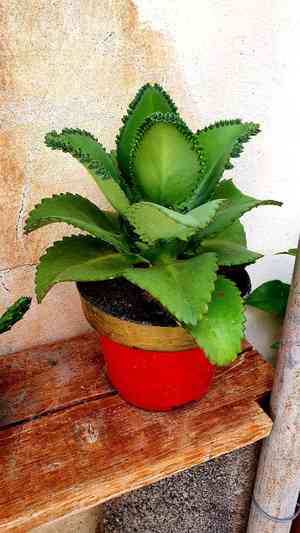
1
Mother of thousands flourishes optimally in soil with a pH ranging from 6 to 7.5.
2
Adequate drainage is crucial to avoid root rot in Mother of thousands.
3
Incorporating perlite or sand into your growing medium enhances soil aeration and water flow.
Optimal Soil Type for Mother of thousands
Ideal Soil Characteristics
When selecting soil for your Mother of thousands, it's crucial to choose a medium that replicates its native environment. This succulent thrives in soil that offers excellent drainage, is porous, and slightly sandy. Such a substrate prevents water from lingering around the roots, thereby averting root rot and other moisture-related ailments. A commercially available cactus or succulent blend is an ideal choice. Alternatively, a standard potting mix enriched with sand or perlite can serve as a suitable substitute.
Soil pH Requirements
Maintaining the correct pH level in the soil is vital for the healthy development of Mother of thousands. This plant flourishes in soil with a pH range of 6 to 7.5. This slightly acidic to neutral range ensures that essential nutrients in the soil are readily absorbed by the plant. It's wise to periodically check the soil pH using a meter or test kit, both easily found at garden centers.
Nutrient Content Needs
Although Mother of thousands isn't particularly demanding regarding nutrients, ensuring the soil possesses a balanced nutrient profile can foster more robust growth. Soil enriched with organic matter supplies vital nutrients and improves the soil's texture. Incorporate compost or a balanced slow-release fertilizer to maintain consistent nutrient levels. Exercise caution with over-fertilization, as excessive amounts can lead to soft, elongated growth, making the plant vulnerable to pests.
Preparing Soil for Mother of thousands
Mixing Potting Medium
Crafting the perfect potting mix for Mother of thousands is straightforward. Begin with a commercially prepared cactus or succulent soil mix, known for its superior drainage capabilities. However, if you prefer a DIY approach, combine two parts of standard potting soil with one part of coarse sand. This blend emulates the plant's natural habitat and facilitates better water management.
Incorporating Perlite or Sand
Adding perlite or sand to your soil mix is beneficial for improving aeration and drainage. Perlite, a lightweight volcanic glass, creates air pockets and allows water to flow through easily. Mix approximately 10-20% perlite into your potting soil to achieve the desired texture. Alternatively, coarse sand can be blended in similar proportions to ensure the soil remains light and well-aerated.
Ensuring Adequate Drainage
A primary concern for succulent care is preventing waterlogged soil. Ensure that any container you use has sufficient drainage holes to allow excess water to escape. Additionally, placing a layer of gravel or small stones at the bottom of the pot can further enhance drainage. This arrangement reduces the likelihood of water accumulation at the base, protecting the roots from decay.
Common Soil Issues for Mother of thousands
Inadequate Drainage
Poor drainage is the most frequent problem encountered by Mother of thousands. This issue often results in root rot, indicated by yellowing leaves, wilting, and soft stems. To prevent this, ensure you are using a well-draining soil mix and a pot with drainage holes. Regularly inspect for any obstructions in the drainage system and clear them to prevent water stagnation.
Nutrient Deficiencies
Nutrient deficiencies, while uncommon in Mother of thousands, can still occur, especially in low-quality soil or due to prolonged neglect. Symptoms of nutrient deficiency include stunted growth, pale foliage, and reduced blooming. A soil test helps identify any deficiencies. Supplementing the soil with a balanced slow-release fertilizer can correct nutrient imbalances and boost the plant's vitality.
Soil Compaction Issues
Soil compaction impedes root development and diminishes the soil's capacity to retain and drain water effectively. Mother of thousands prefers loose, airy soil, so regular checks and occasional repotting can help. Gently aerate the soil by inserting a stick or similar tool to enhance air circulation.
FAQs Regarding Soil for Mother of thousands
Can Mother of thousands Thrive in Standard Potting Soil?
While standard potting soil can be used in an emergency, it's not ideal due to its moisture-retentive properties. To make it suitable for Mother of thousands, it's best to amend the potting soil with coarse sand, perlite, or a mix formulated for cacti and succulents. These additions ensure superior drainage and aeration, mimicking the plant's natural habitat.
How Frequently Should Soil Be Replaced?
It's recommended to replace the soil every 2-3 years for Mother of thousands. Over time, the soil can become dense, lose its nutrients, and harbor pests. Fresh soil provides renewed nutrients and improved structure, ensuring the plant continues to flourish. When repotting, examine the roots for any signs of rot or disease and trim them if necessary.
What Are Indicators of Unhealthy Soil?
Several signs point to poor soil health in your Mother of thousands. These include inhibited growth, yellowing or wilting leaves, sparse flowering, and a general lack of vigor. Consistent monitoring and basic soil amendments can help alleviate these problems. Pay close attention to any changes in the plant's appearance and act promptly to improve soil conditions.



