Optimal Soil for Growing Christmas rose: What You Need to Know
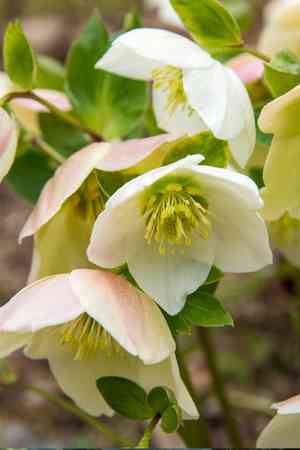
1
The optimal soil acidity for a Christmas rose is between 6.5 and 7.5.
2
Christmas rose flourishes in soil that drains effectively and is rich in decomposed organic material.
3
Consistent soil analysis assists in preserving the ideal environment for your Christmas rose.
What are the Ideal Soil Characteristics for Christmas rose?
Soil Texture
For planting Christmas rose, soil texture is critical. These plants thrive in soil that drains well, preventing water from accumulating around the roots and causing decay. Ideal soil possesses a loose, grainy consistency that allows roots to easily penetrate and become established. To check your soil texture, moisten a handful and squeeze it. It should maintain its shape but crumble readily when poked. This texture ensures your Christmas rose receives suitable moisture and air.
Soil pH Level
Achieving the correct soil pH is crucial for the optimal health of your Christmas rose. These plants prefer a slightly alkaline to neutral pH, flourishing within a range of 6.5 to 7.5. A soil pH meter helps determine your soil's acidity or alkalinity. If the pH falls outside this range, consider using amendments to adjust it. Lime can increase pH, making it more alkaline, while sulfur can decrease it, making it more acidic. Proper pH levels enable effective nutrient absorption by your plants.
Soil Composition
The makeup of the soil is another vital element. Christmas rose prefers soil abundant in organic matter, which aids in moisture and nutrient retention while providing a loose structure for root development. A good blend includes loam, a balanced combination of sand, silt, and clay. Incorporating compost or well-decomposed manure enriches the soil, offering a consistent supply of nutrients and beneficial microbes. Avoid heavy clay soils unless amended, as they can retain too much water and impede the plant's growth.
How to Prepare Soil for Planting Christmas rose
Soil Amendments
Preparing soil for Christmas rose often involves applying amendments to enhance its quality. Soil enhancers like compost, peat moss, or leaf mold can significantly improve soil structure and fertility. Compost, in particular, assists in nutrient retention and provides essential minerals. Before planting, mix the amendments into the top 15-20 cm (6-8 inches) of soil thoroughly, creating an optimal environment for young plants to establish their roots.
Organic Matter Addition
Incorporating organic matter is crucial for the robust development of Christmas rose. Materials such as compost, aged manure, and shredded leaves not only enrich the soil but also improve its capacity to retain moisture without becoming waterlogged. Spread a 5-7.5 cm (2-3 inches) layer of organic material over the planting area and work it into the soil to a depth of about 15 cm (6 inches). This practice boosts beneficial microbial activity in the soil, which supports plant health.
Drainage Improvement Techniques
Ensuring proper drainage is essential for Christmas rose. Poorly draining soil can lead to root rot and other issues. If your garden soil tends to retain water, consider implementing drainage improvements such as gravel, sand, or organic matter to increase porosity. Raised beds are also an effective solution to enhance drainage. These beds elevate plants above the natural soil level, allowing excess water to drain away more easily, ensuring your Christmas rose has the ideal environment to flourish.
What Common Soil Problems Affect Christmas rose?
Compacted Soil
Compacted soil is a frequent problem that can hinder the growth of Christmas rose. When soil is compacted, it loses its air pockets, making it difficult for roots to grow and access water and nutrients. If your soil feels hard and absorbs water poorly, you likely have a compaction issue. To remedy this, aerate the soil by tilling or using a garden fork to break it up. Adding organic matter can also help to loosen compacted soil over time.
Soil Nutrient Deficiencies
Nutrient shortages in soil can result in poor growth and development of Christmas rose. Common deficiencies include nitrogen, phosphorus, and potassium, all vital for plant health. Symptoms of nutrient deficiencies include yellowing foliage, stunted development, and reduced flowering. Regular soil testing helps pinpoint nutrient gaps. Based on the findings, you can amend the soil with fertilizers or organic matter to replenish necessary nutrients and promote healthy plant growth.
Poor Drainage
Inadequate soil drainage is detrimental to Christmas rose, leading to waterlogged conditions that can cause root decay and other diseases. If your garden soil drains poorly, it is imperative to improve its structure. Techniques such as incorporating sand, compost, or creating raised beds can significantly enhance drainage. Monitoring water levels and ensuring your planting area is not in a low spot that collects water can help prevent this common problem.
How to Maintain Optimal Soil Conditions for Christmas rose
Regular Soil Testing
Maintaining ideal conditions for Christmas rose involves routine soil testing. Testing helps monitor pH levels and nutrient content, ensuring your soil remains favorable for healthy growth. Conduct soil tests at least annually, ideally in spring before the growing season begins. Use home testing kits or send samples to a local agricultural extension service for detailed analysis. Adjust soil conditions based on test results to maintain the perfect growing environment.
Watering Considerations
Appropriate watering is crucial for maintaining soil health for Christmas rose. While these plants prefer moist soil, it's vital to avoid overwatering. The soil should be kept consistently damp but not waterlogged. Check soil moisture regularly by inserting your finger about 2.5-5 cm (1-2 inches) into the soil. If it feels dry, it's time to water. Using a soaker hose or drip irrigation can provide steady moisture without oversaturating the soil.
Mulching
Mulching is an excellent method to maintain optimal soil conditions for Christmas rose. A 5-7.5 cm (2-3 inch) layer of mulch helps retain soil moisture, suppress weeds, and regulate soil temperature. Organic mulches like shredded bark, compost, or pine needles are good choices as they decompose over time, adding nutrients to the soil. Apply mulch around the base of the plants, ensuring it's not piled against the stems to prevent rot and pest issues.
Frequently Asked Questions about Christmas rose Soil
Can Christmas rose Grow in Clay Soil?
Christmas rose can struggle in dense clay soil due to poor drainage and aeration. However, if clay soil is your only choice, you can modify it to improve its structure. Incorporate organic matter like compost or well-rotted manure to make the soil more friable and enhance drainage. Raised beds can also be beneficial for cultivating Christmas rose in areas with heavy clay.
Is it Necessary to Fertilize Christmas rose?
While Christmas rose is not a heavy feeder, occasional fertilization can boost growth and flowering. Use a balanced, slow-release fertilizer in early spring to supply essential nutrients. Avoid excessive fertilization as it can lead to abundant leaf growth at the expense of blooms. Organic options, such as compost or well-decomposed manure, can also provide a steady nutrient supply.
How Often Should I Amend the Soil for Christmas rose?
Regular soil amendment is important for maintaining soil quality for Christmas rose. Adding organic matter annually, preferably in the fall, can greatly benefit soil structure and fertility. If your soil has specific deficiencies, additional amendments may be needed based on routine soil test results. Maintaining a consistent soil care regimen ensures your Christmas rose has the best growing conditions year-round.



