Optimal Soil for Growing Pascuita: What You Need to Know
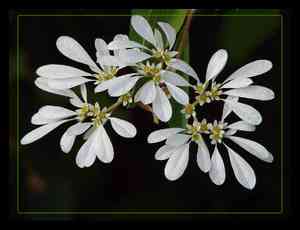
1
Pascuita flourishes in sandy loam soil that drains effectively.
2
Periodically checking the soil's pH level assists in keeping Pascuita within its ideal range of 6.5 to 8.
3
Mulching with organic matter helps retain soil moisture and supplies vital nutrients as it breaks down.
The Significance of Soil for Pascuita
Nutrient Provision
Soil is fundamental in supplying Pascuita with essential nutrients. Elements such as nitrogen, phosphorus, and potassium are crucial for robust development and blooming. A nutrient-rich soil supports vigorous plant growth and maintains vibrant foliage.
Root Stability
The ground offers a firm anchor for Pascuita's root system. Strong root stability is vital as it helps the plant endure windy conditions and prevents it from falling over, especially when it matures and flowers. Effective root interaction with the soil also guarantees consistent water and nutrient uptake.
Moisture Retention
Equally important for Pascuita is the soil's capacity to retain water. Soil that holds sufficient moisture ensures continuous root hydration without becoming oversaturated, fostering healthy development. Proper moisture retention assists the plant during dry spells and prevents wilting and stress.
Optimal Soil Characteristics for Pascuita
Soil Composition
Pascuita thrives in a well-draining, sandy loam soil type. This composition achieves a balance between holding moisture and allowing good drainage, which prevents roots from becoming waterlogged. A soil that is too dense, like clay, can hinder drainage, while overly sandy soil might not retain enough moisture.
Acidity/Alkalinity Level
The perfect pH range for Pascuita's soil is between 6.5 and 8. This slightly acidic to slightly alkaline environment is ideal for nutrient assimilation and overall vitality. Regular soil assessments help gardeners maintain this balance, ensuring the soil supports Pascuita's growth needs.
Organic Content
Incorporating organic materials such as compost or aged manure into the soil can greatly benefit Pascuita. Organic matter improves soil structure, boosts nutrient levels, and enhances the soil's capacity to hold water. It also fosters a beneficial microbial ecosystem that aids plant development.
Preparing Soil for Pascuita Cultivation
Soil Enhancement
Preparing soil for Pascuita often involves enriching it to boost fertility and improve its structure. Adding organic compost or peat moss can increase nutrient content and refine soil texture. Integrate these additions into the upper 15-30 cm (6-12 inches) of soil for best outcomes.
Drainage Improvement
To enhance soil drainage, especially in areas with dense clay, consider blending sand or perlite into the soil. This addition improves air circulation around the roots and prevents water accumulation. Ensuring adequate drainage is crucial to avoid root rot and other moisture-related issues.
Utilizing Mulch
Applying a layer of mulch around the base of the Pascuita can significantly aid soil preparation. Organic mulches, such as wood chips or straw, help maintain soil moisture, regulate temperature, and suppress weed growth. As the mulch decomposes, it also contributes valuable organic matter to the soil.
Typical Soil Challenges for Pascuita
Compressed Soil
Compressed soil can pose a significant challenge for Pascuita. It impedes root expansion and limits the penetration of water and nutrients. To mitigate compressed soil, aerate it regularly and add organic material to improve its structure and permeability.
Nutrient Deficiencies
Insufficient nutrients in the soil can manifest as stunted growth and yellowing leaves in Pascuita. Performing soil tests and applying balanced fertilizers can correct these deficiencies. Ensure the soil contains appropriate levels of primary nutrients and consider seasonal fertilization.
Excess Moisture
Overly wet soil can lead to root rot and other diseases in Pascuita. Prevent this by planting in well-draining soil and ensuring that any pots used have drainage openings. Avoid excessive watering and adjust irrigation schedules based on seasonal changes in humidity and precipitation.



